Operation Sindoor used women’s bodies and symbols to cloak an old patriarchal script.
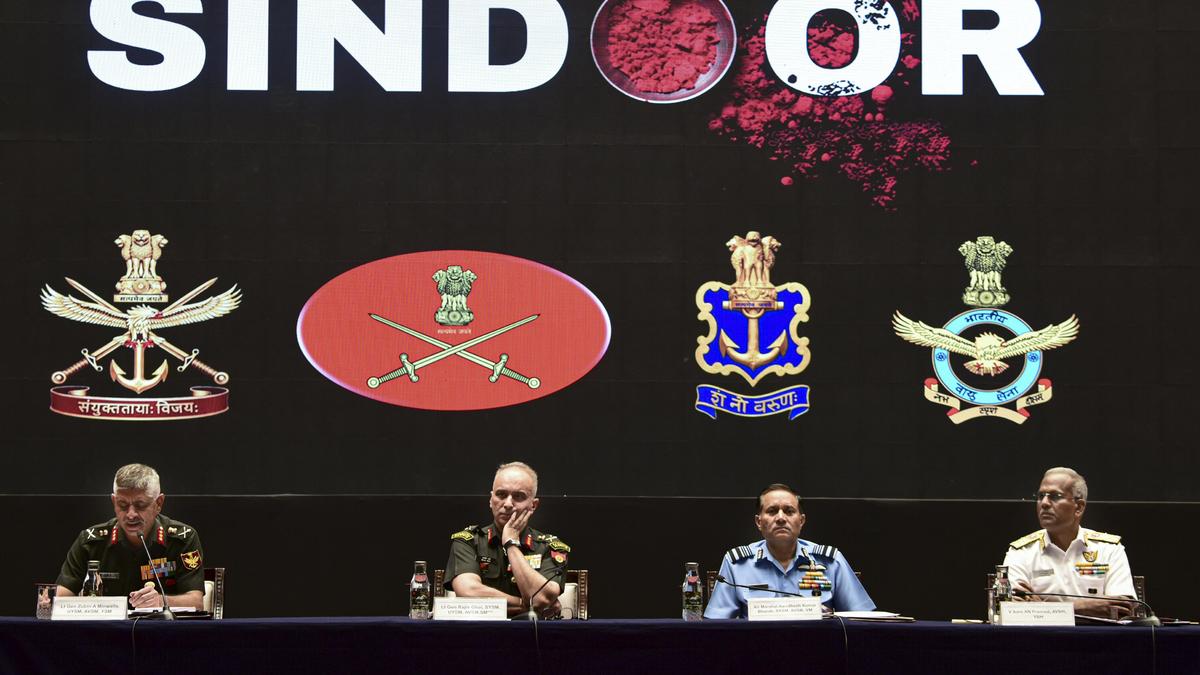
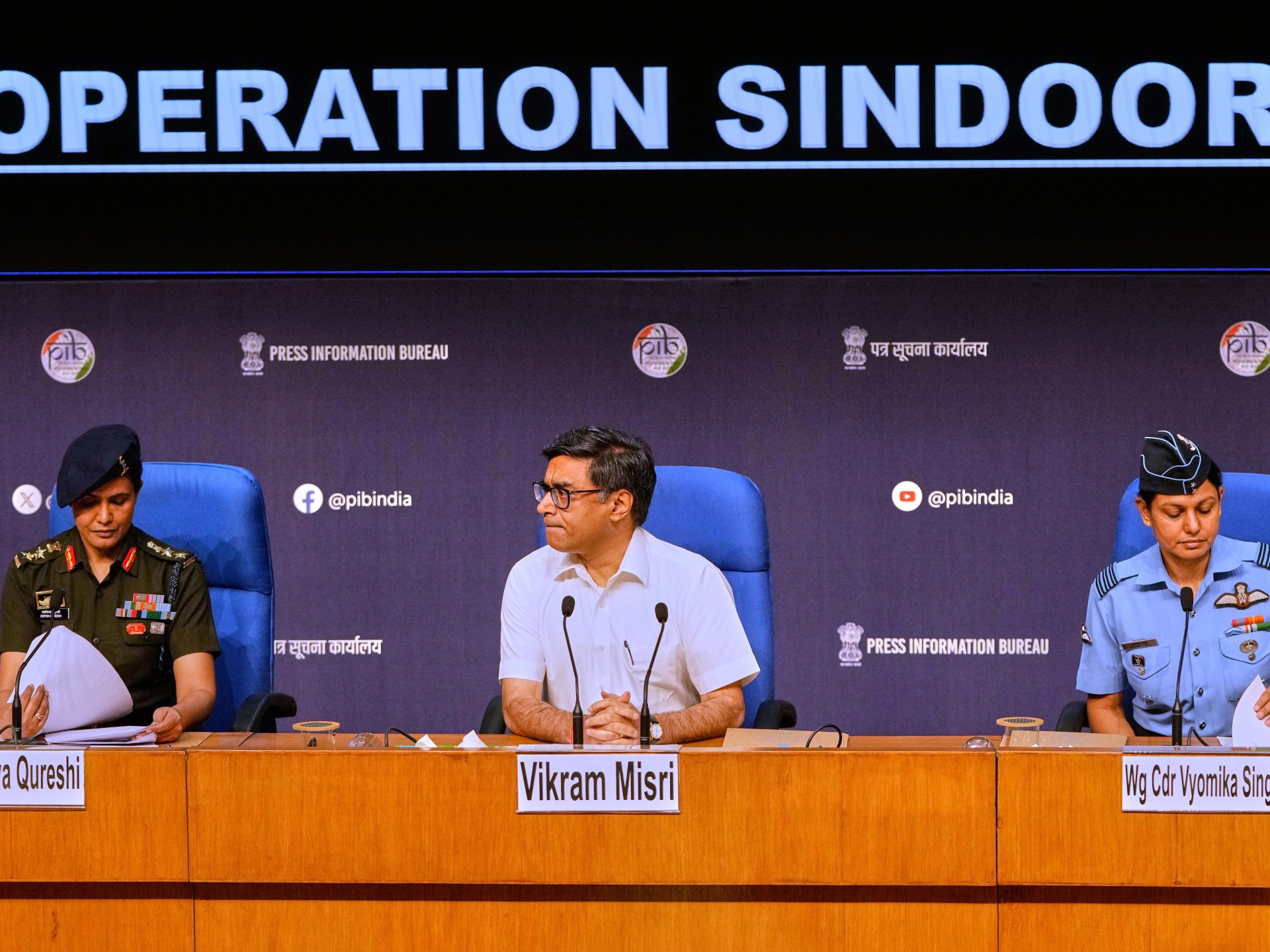
When two female officers of the Indian armed forces – one Hindu, one Muslim – took centre stage to announce Operation Sindoor, the government celebrated it as a landmark moment for gender inclusion. The image of uniformed women addressing the media from the front lines, avenging the deaths of 26 civilians, all men, and symbolically restoring the sindoor (vermilion) of widowhood, was widely praised as feminist iconography in service of the nation.
The moment echoed a historical parallel: during the 1971 Indo-Pak War, Prime Minister Indira Gandhi was famously likened to the Hindu warrior Goddess Durga, a symbol of feminine power and nationalist resolve, in recognition of her decisive role in the creation of Bangladesh. That invocation of Durga underscored how Indian political power is often framed through a gendered and mythologised lens, blending statecraft with religious symbolism.
But can women leading war be inherently feminist? Nation-building, as feminist scholars have long warned, is not a gender-neutral project. It reconfigures women into roles that serve its ends: sacrificial mothers, grieving widows, or militant daughters of the nation. Scholars like Nira Yuval-Davis argue that women are positioned as symbolic bearers of the nation’s honour and cultural authenticity but rarely as its political agents. In the Indian context, scholars like Samita Sen and Maitrayee Chaudhuri remind us that women’s public roles have historically been framed not in terms of autonomy, but duty to patriarchal structures. Therefore, the mere presence of women in public or political spheres does not automatically equate to gender justice. Representation must also be interrogated for its objectifying function.