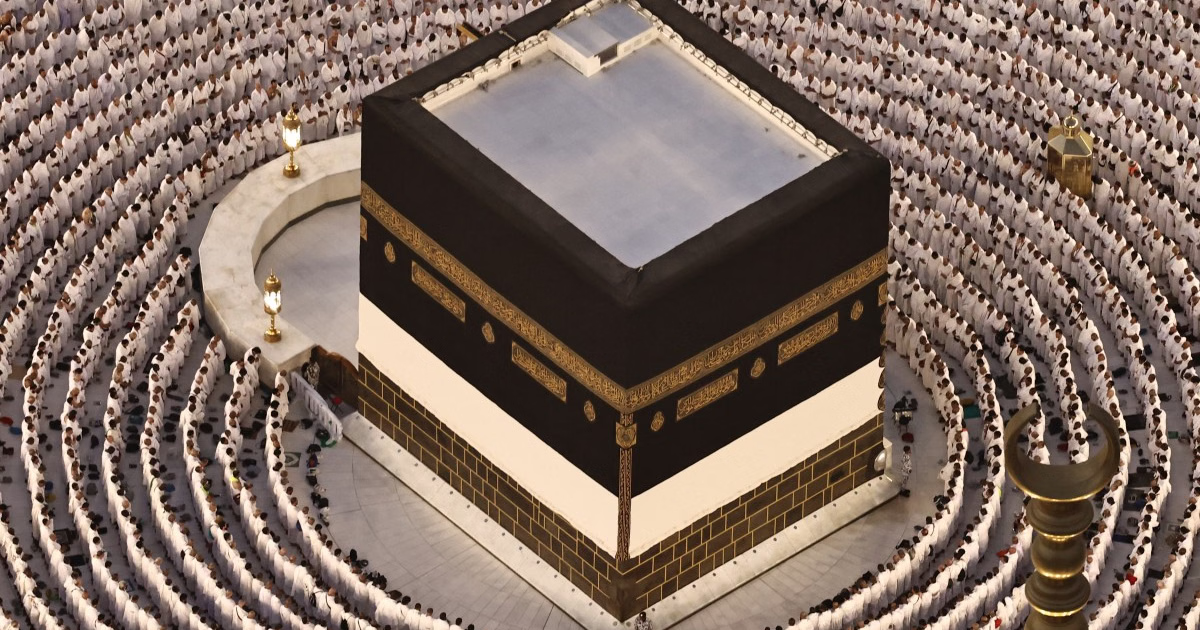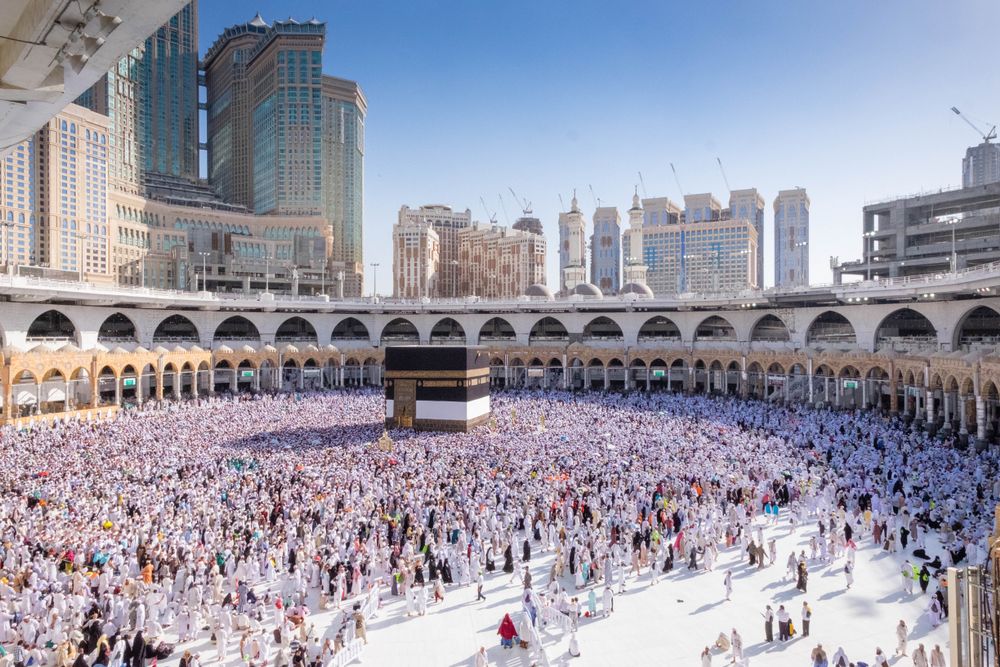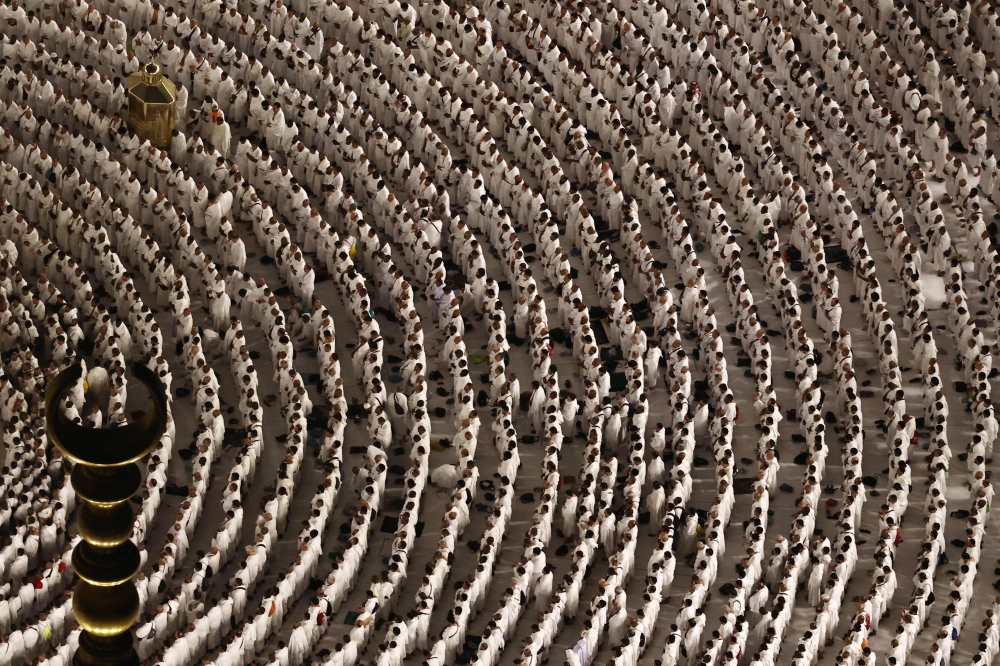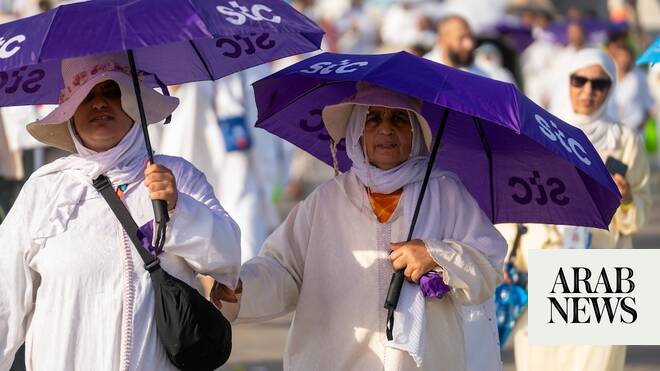
MAKKAH: Hajj this year will be remembered not only for its spiritual significance but also for its climatic turning point. According to the National Center of Meteorology, the 1446 Hajj season officially marks the end of the pilgrimage coinciding with the peak summer months, a pattern that will not return for another 25 years.
Over the next two decades, the Islamic lunar calendar will bring Hajj progressively into cooler seasons. Eight upcoming pilgrimages will take place in spring, followed by another eight in winter. After that, the dates will fall in autumn, gradually warming again until Hajj re-enters the summer cycle around the year 2050.
This shift is part of the natural lunar cycle, which causes the Islamic calendar to shift backward by about 10 to 11 days each Gregorian year. For Saudi authorities, climate experts, and pilgrims alike, the change provides relief from one of the most challenging aspects of performing Hajj: having to endure blistering desert temperatures.
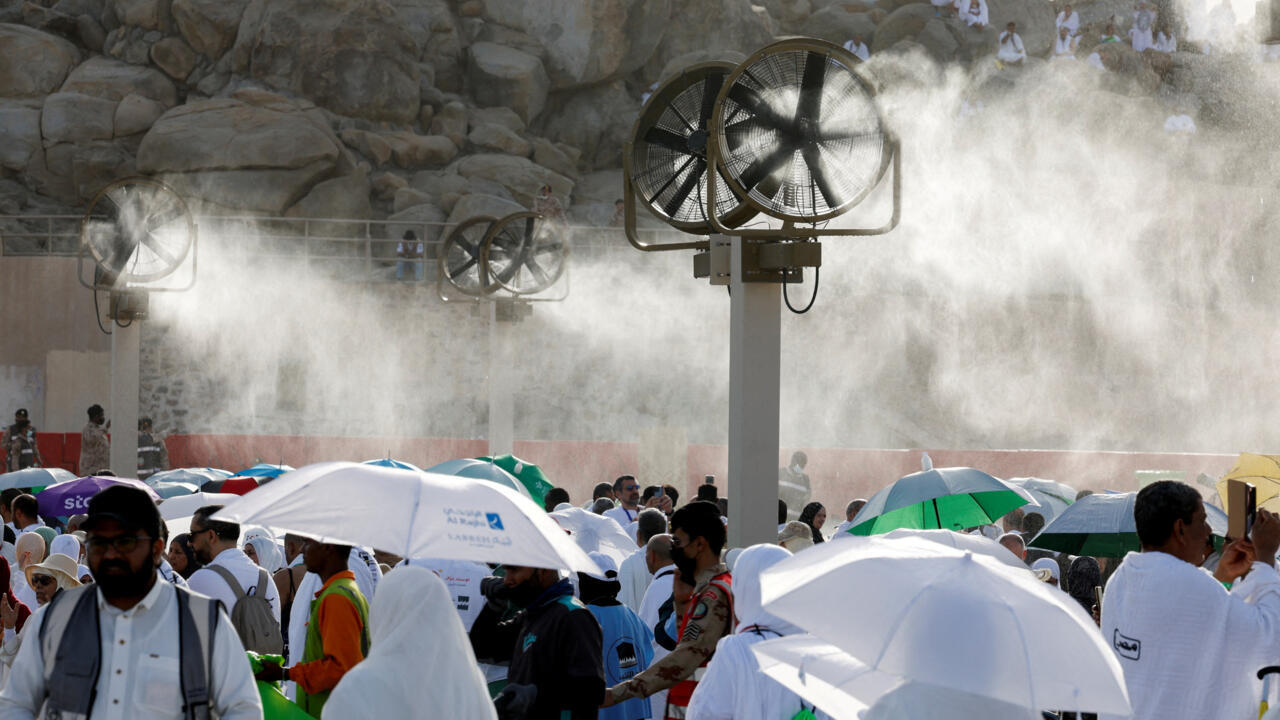
For decades, the Kingdom’s efforts to enhance infrastructure and expand services during Hajj have often had to work around the burden of extreme heat. From providing cooling mist fans and shaded walkways to using emergency teams trained in heatstroke response, the challenge of keeping millions of pilgrims safe during peak summer has been central to planning.