KARACHI: Pakistan plans to cut its overall tariff regime by more than 4% over the next five years, part of sweeping reforms aimed at boosting exports and shifting the country towards an export-led growth model, Finance Minister Muhammad Aurangzeb said on Wednesday.
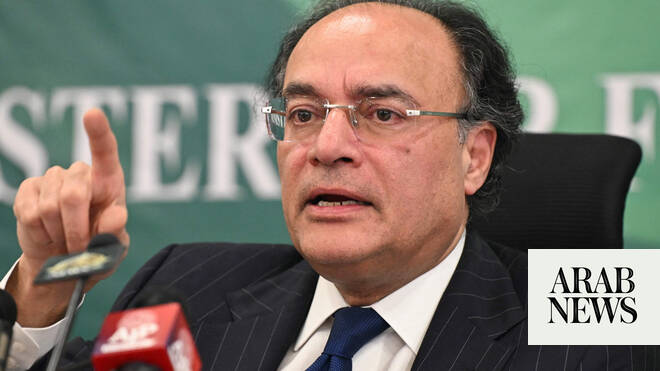
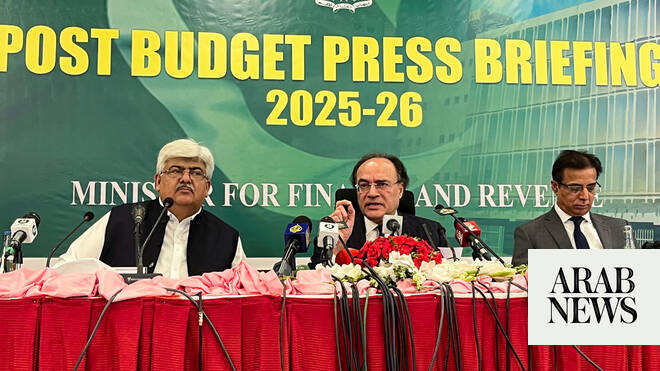
At a post-budget press conference in Islamabad, Aurangzeb outlined details of the proposed tariff rationalization, saying the government had already removed additional customs duties on 4,000 tariff lines and reduced them on another 2,700, out of a total 7,000.
The reforms align with Pakistan’s commitments under a $7 billion IMF program approved last year and signal a shift toward an export‑oriented growth model built on a leaner tariff structure, protection of social welfare, and improved tax collection.
“First, the goal is to change the overall protected regime. When you lower protection and dismantle walls around it, you improve the economy’s resource allocation, better capital allocation, better human resource allocation, so that’s the overall macroeconomic framework," Aurangzeb said, adding that the changes would reduce input costs for exporters and improve competitiveness.
The reforms are part of the National Tariff Policy 2025–30 under which the government plans to abolish additional customs duties, regulatory duties, and the fifth schedule of the Customs Act, 1969. The policy envisions a streamlined customs structure with just four duty slabs ranging from 0 to 15%, which would become the maximum rate.