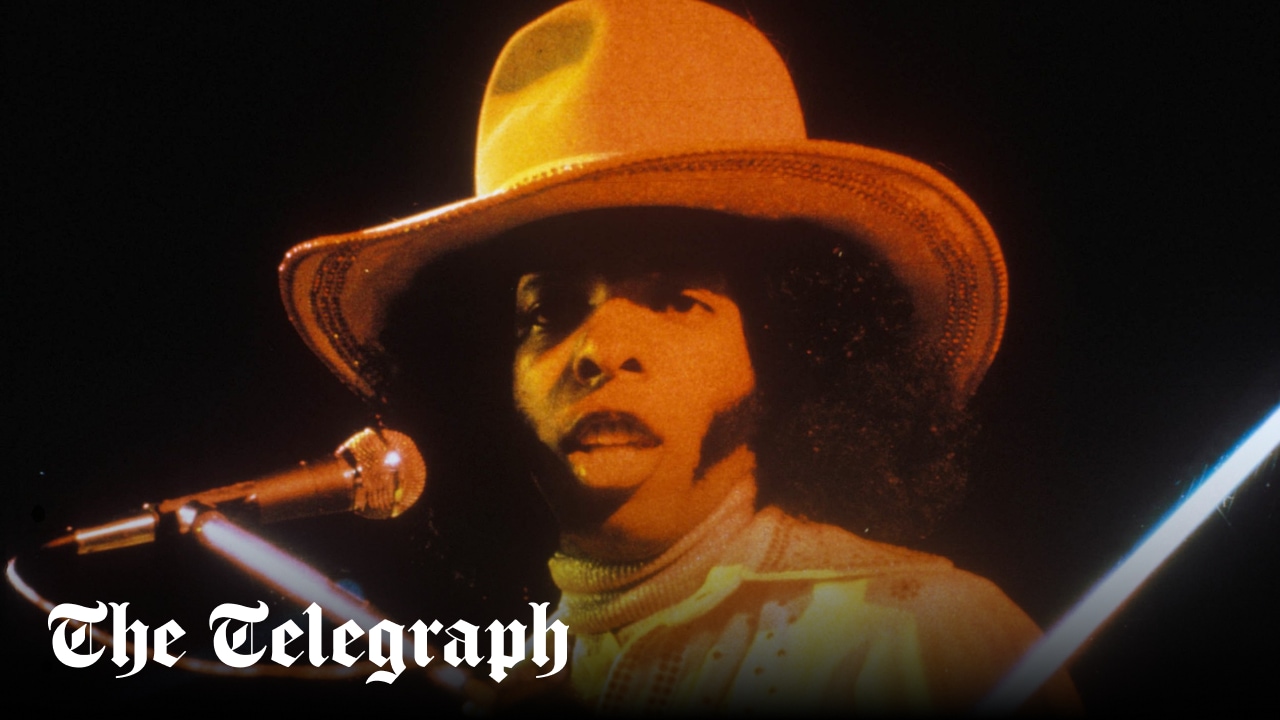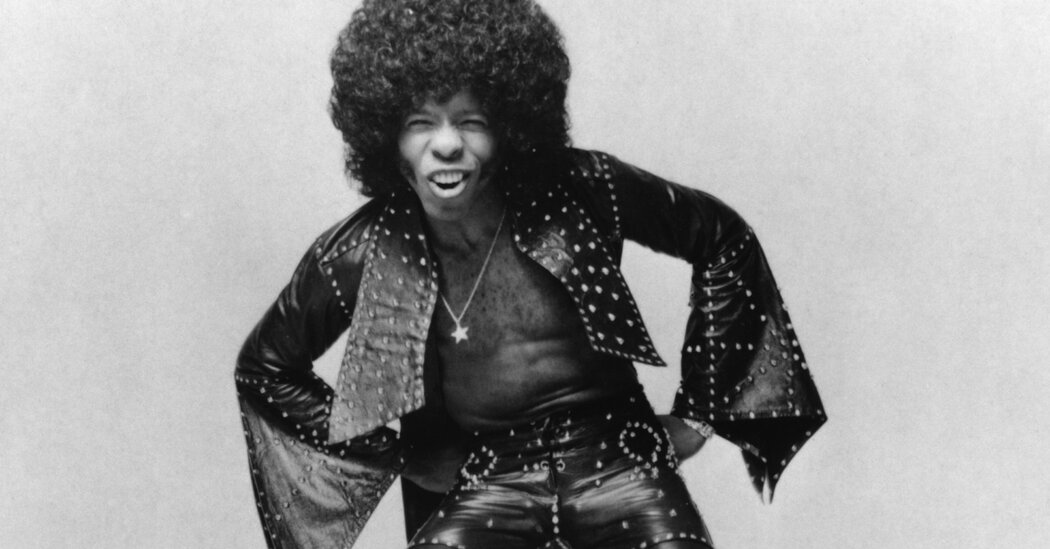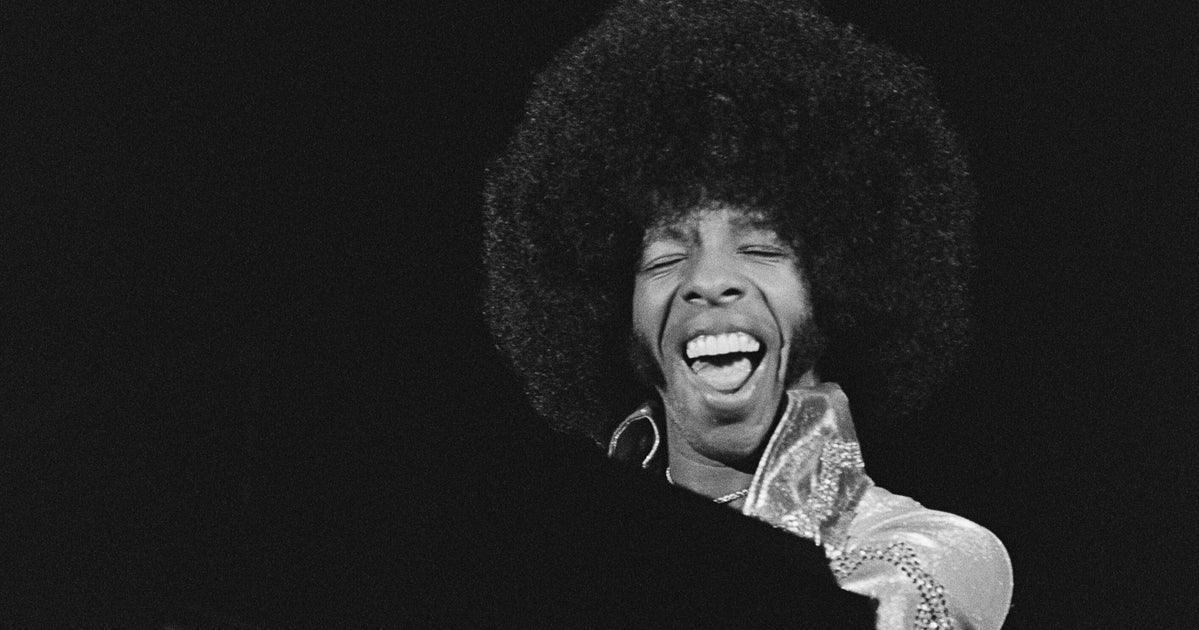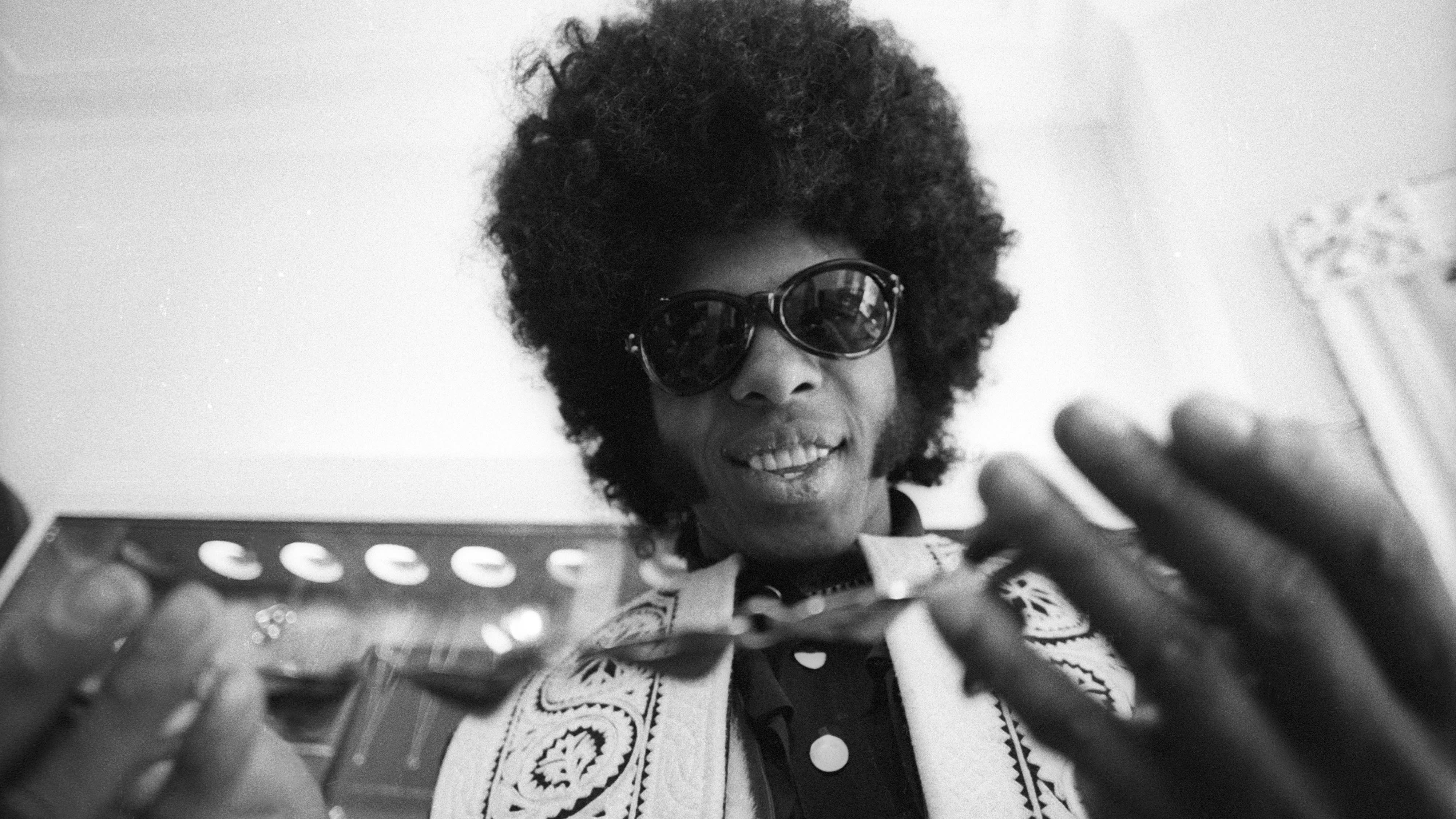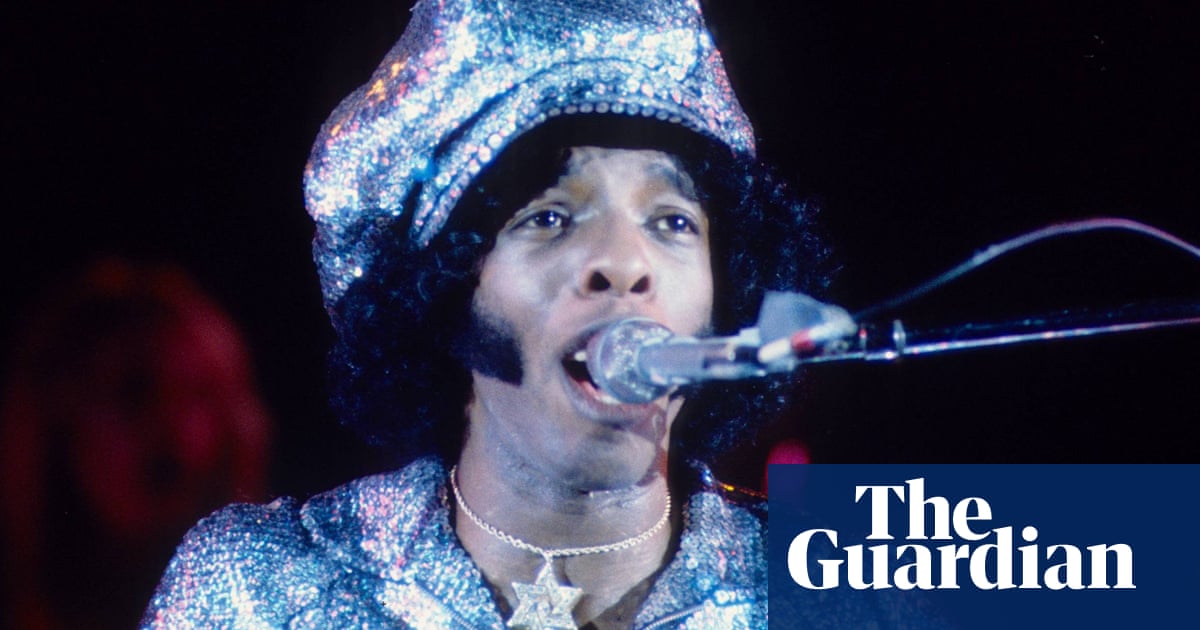
Funk and soul musician whose band, Sly and the Family Stone, had a profound effect on US music in the 1960s and 70s
Share your tributes and memories of Sly Stone
Between 1968 and 1973 Sly Stone, who has died aged 82, changed the direction of African-American popular music not once but twice. Initially promoting a utopian vision of racial and sexual unity with catchy, imaginative and anthemic songs, he then morphed into a shadowy, stoned figure whose downbeat music mirrored the disenchantment of the early 1970s.
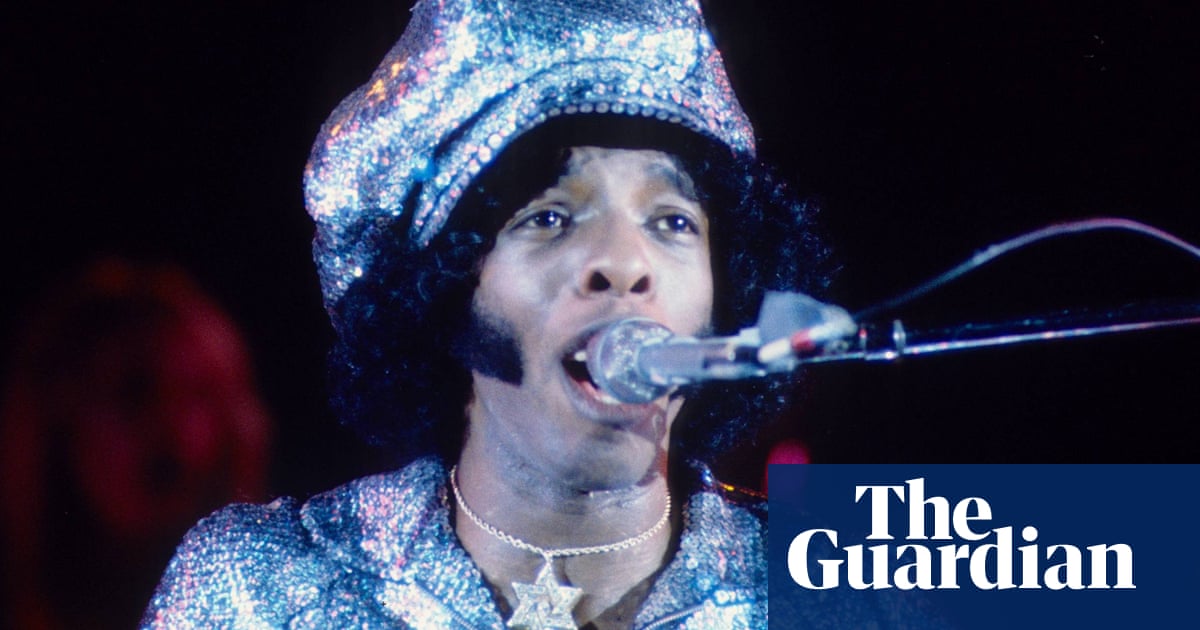
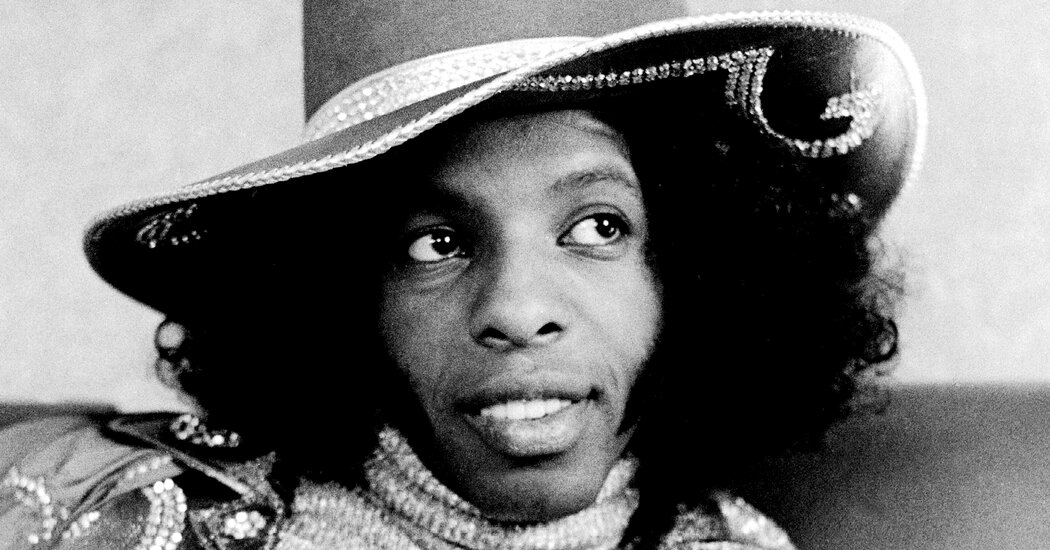
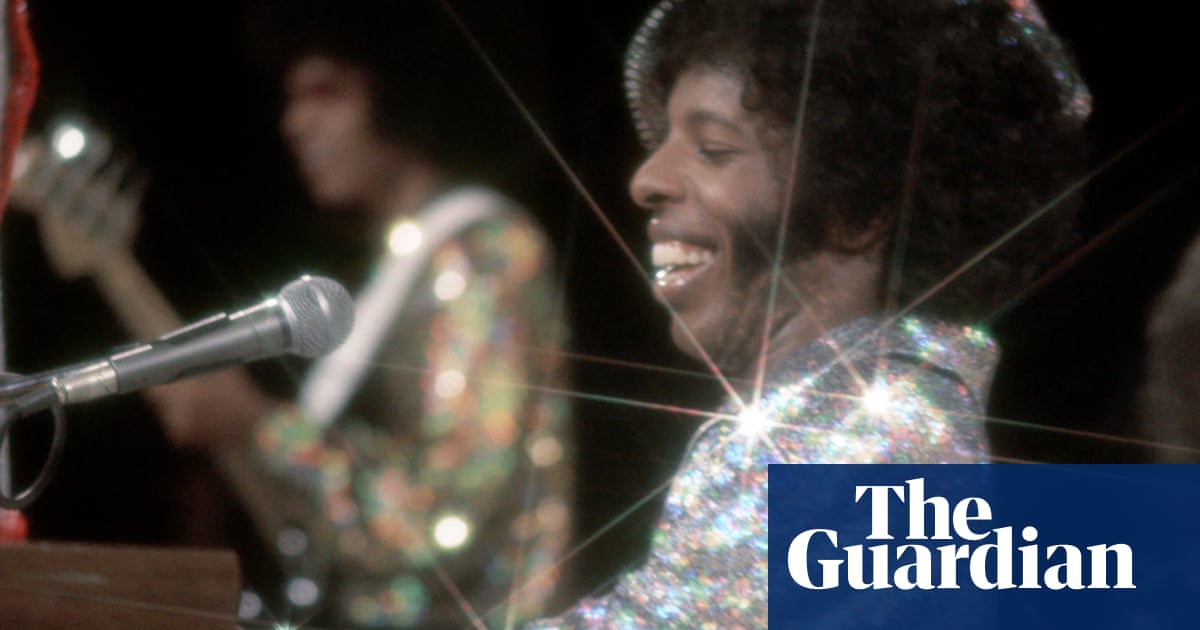
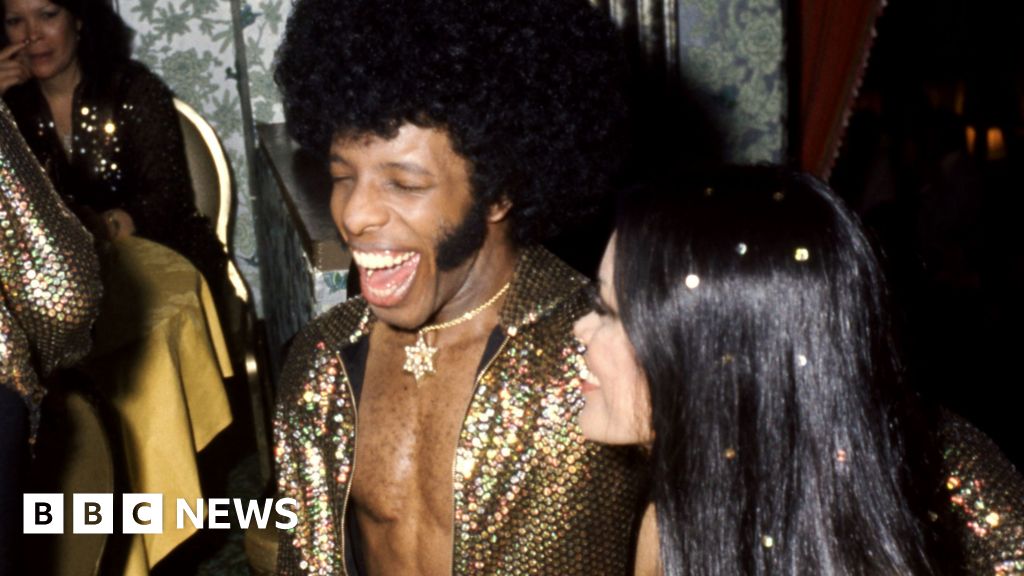
It was in 1968 that his band, Sly and the Family Stone, released the single Everyday People, an appeal to unity that topped both the US pop and R&B charts for four weeks in early 1969. Everyday People’s catchphrases – “different strokes for different folks”, “we got to live together” – reflected an optimistic, racially inclusive America and ensured that Sly, with his bright smile and brighter threads, became an iconic figure to many. He and his band had a huge US following, their energy and optimism making them flag bearers for the nascent hippie movement, while appealing to both black and white audiences.
In 1969 the band released the adventurous album Stand!, which opened with the title track urging listeners to stand against injustice, and was followed by the dissonant Don’t Call Me Nigger, Whitey. By now the likes of Miles Davis and Jimi Hendrix, Stevie Wonder and Marvin Gaye were studying Sly: he was an icon of black power and arguably the most influential talent in popular music.