Since the riots last summer British Muslims have felt a deep unease in our own country
H
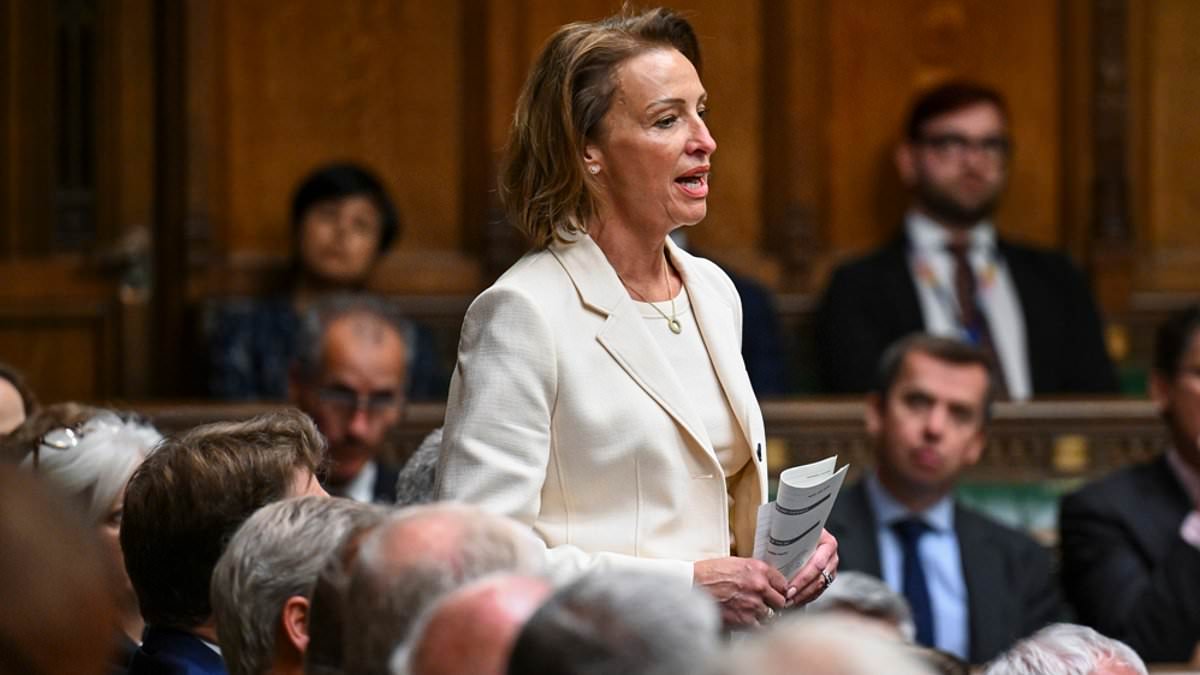
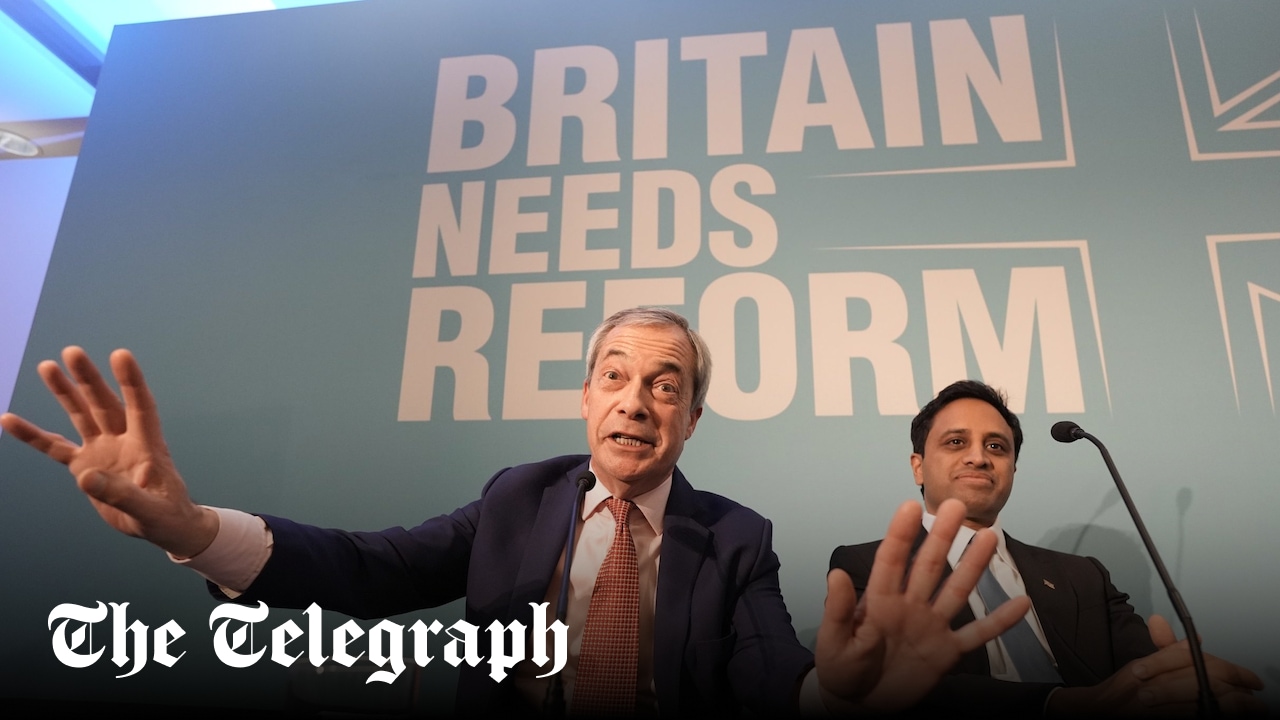
ere we are again, debating the right of Muslim women to wear what they want. Last week, the Reform UK MP Sarah Pochin asked the prime minister, Keir Starmer, if he planned to follow other European countries and prohibit burqas.
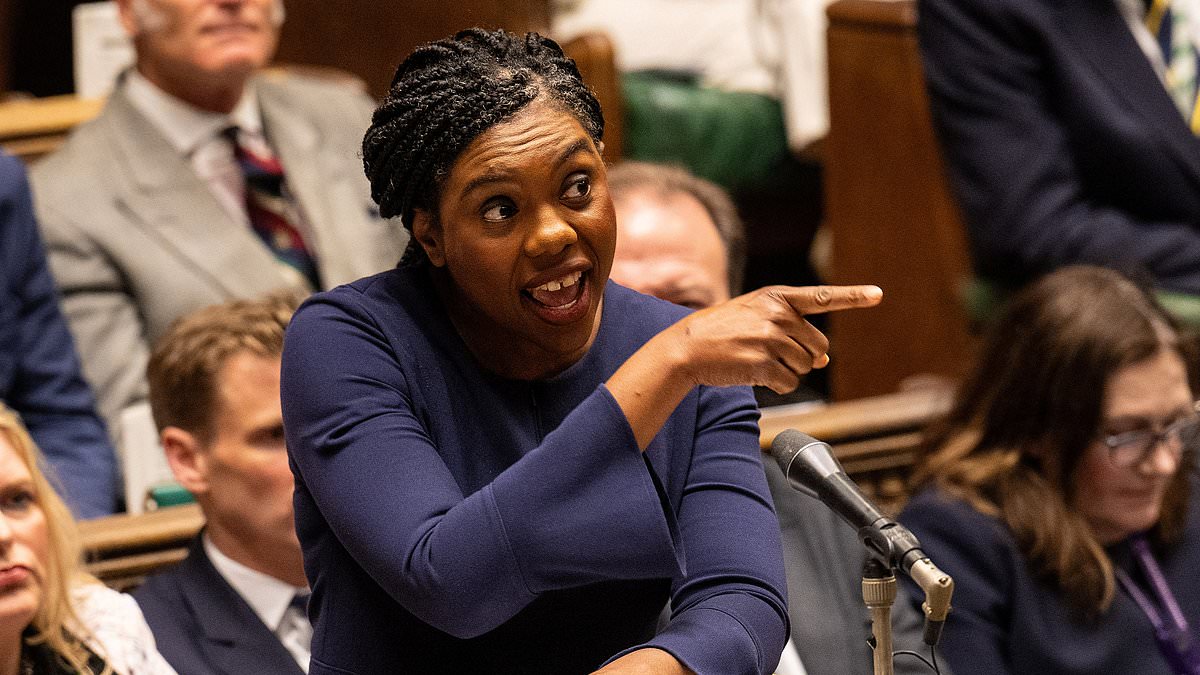
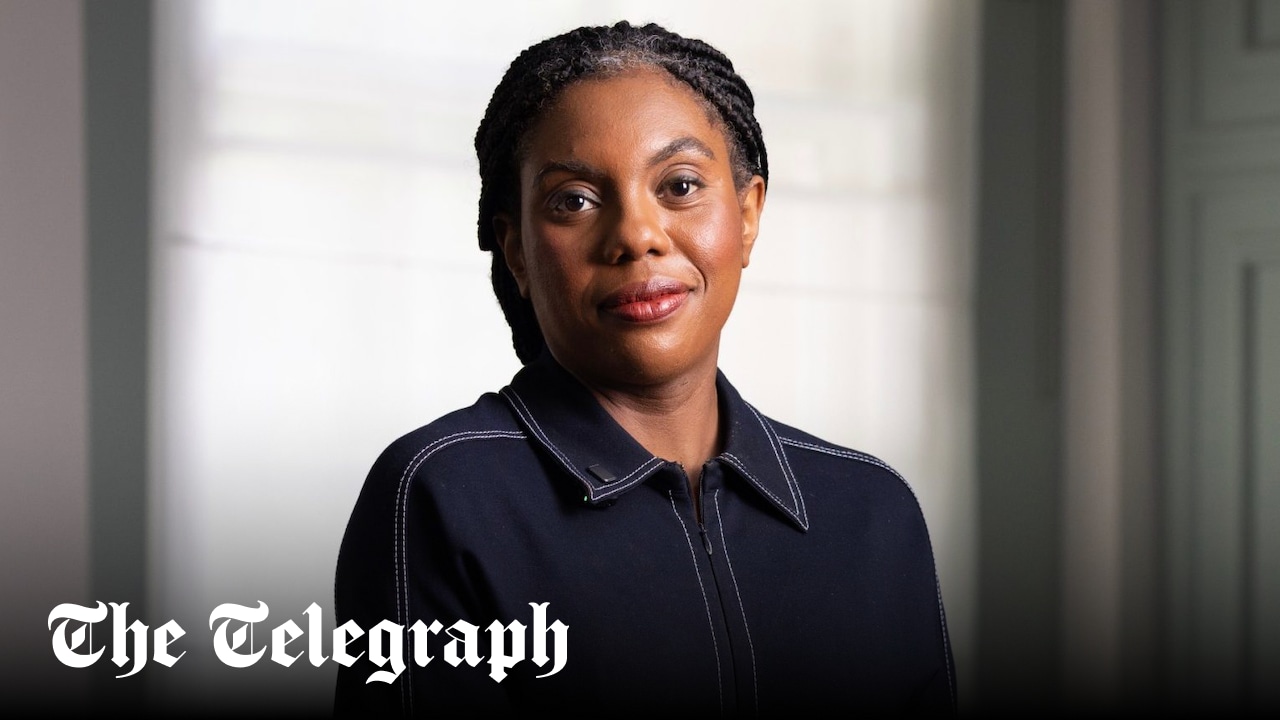
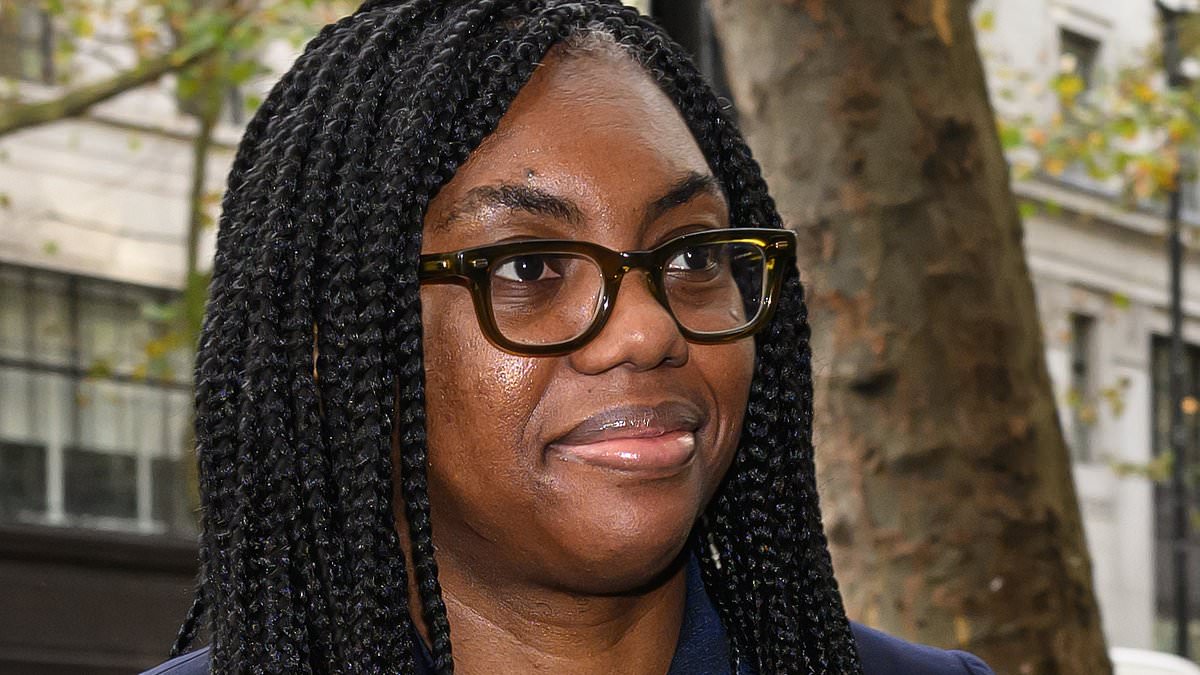
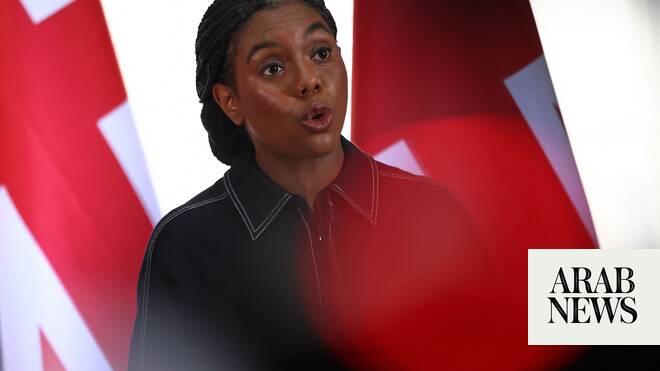
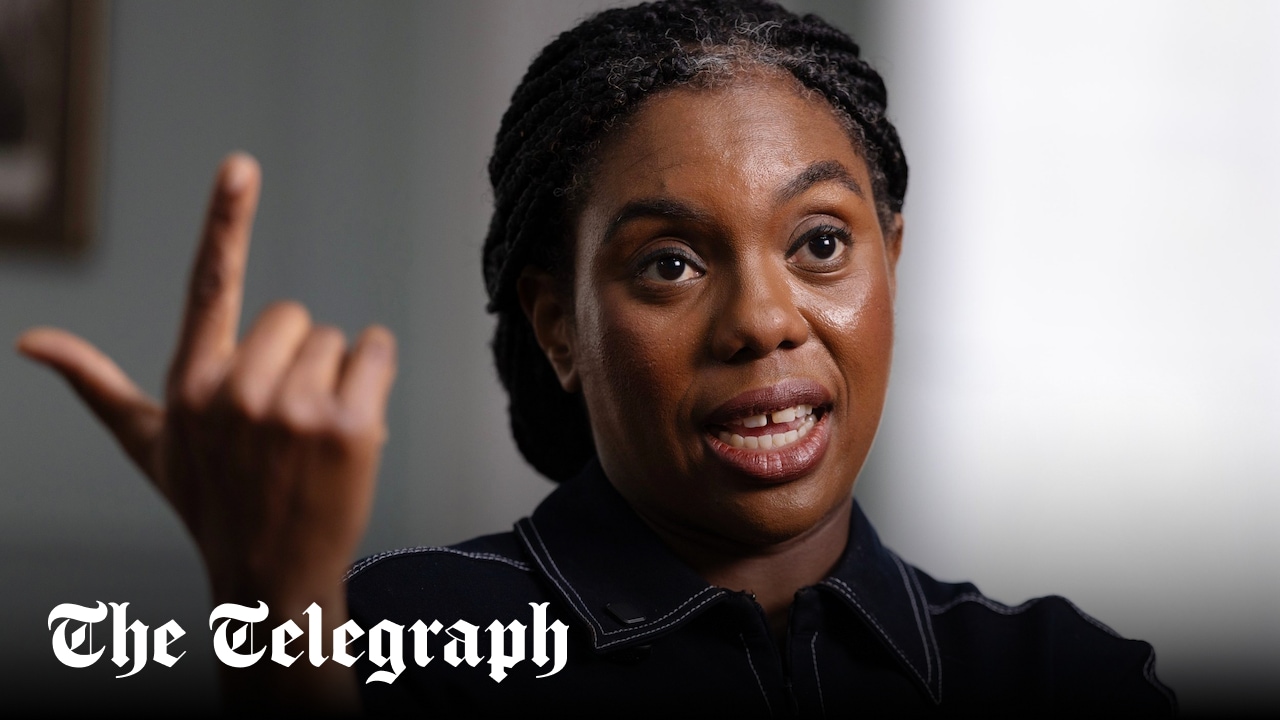
Then the leader of the opposition, Kemi Badenoch, called for bosses to be able to ban the burqa in the workplace. Following the example of the former Labour minister Jack Straw, who in 2006 sparked the first burqa debate by asking constituents at his surgeries to remove their face coverings, she stated that she does not see constituents at her surgeries if they have their faces covered, “whether it’s a burqa or a balaclava”.
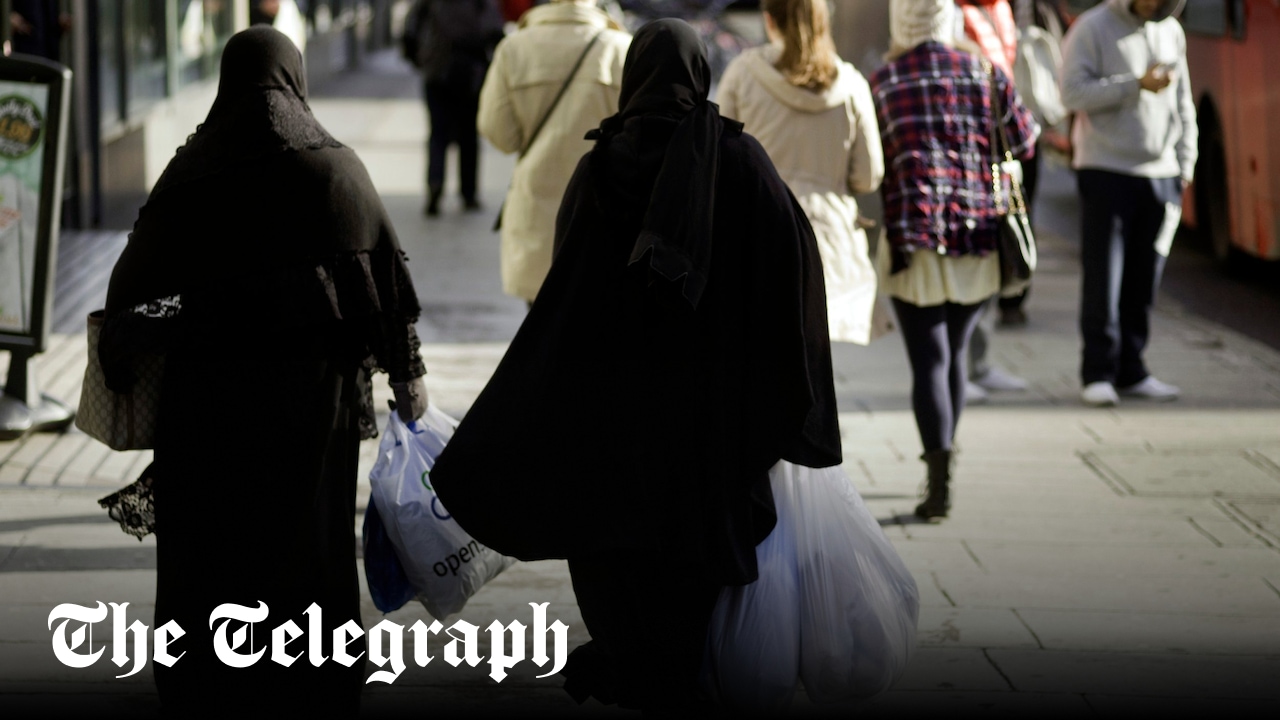
These comments from politicians hoping to appease rightwing voters have real repercussions for the safety of Muslim women like me. Muslim women, especially those who wear coverings ranging from the headscarf known as the hijab to the full body and face covering known as the burqa, have become a symbol in UK politics of migration and integration. They – or perhaps the perceived oppressive men in their lives – are outsiders who refuse to live by British values. When politicians call to ban the burqa, they position themselves as defenders of a way of life under threat from outside forces.