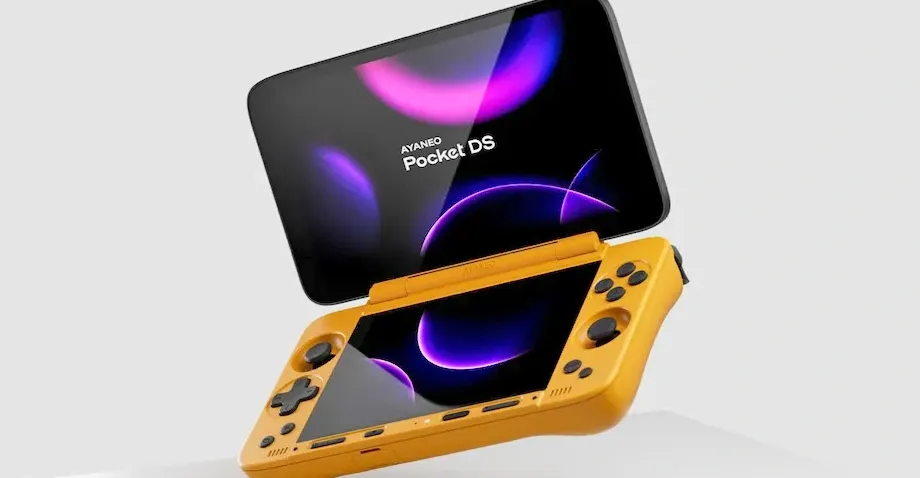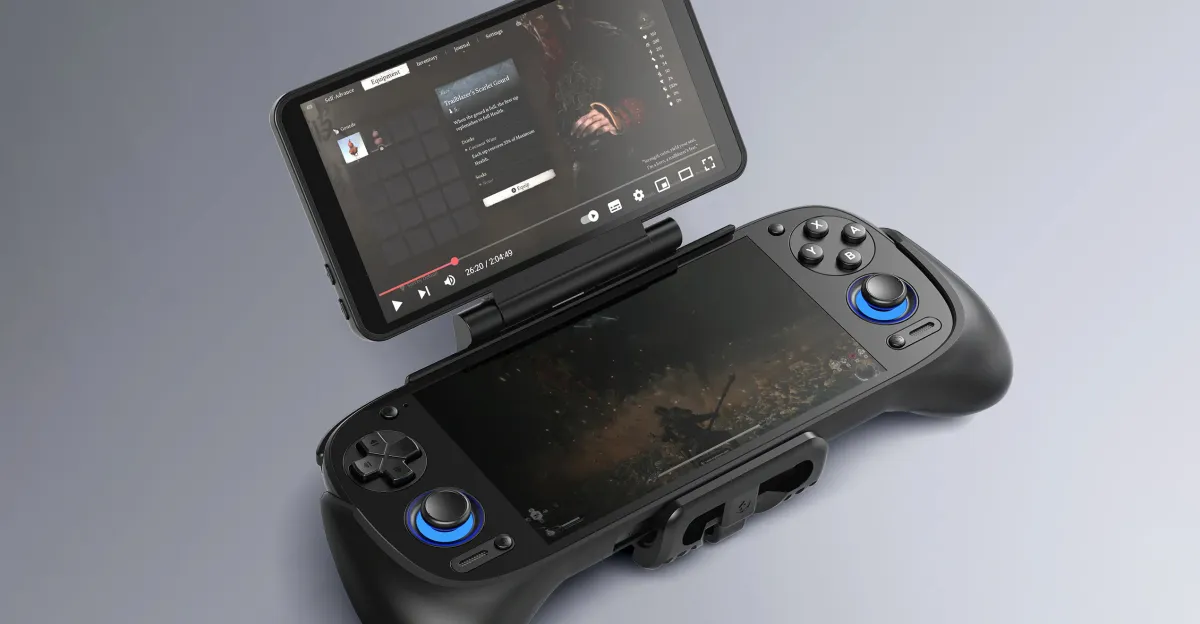
Andrew Liszewski is a senior reporter who’s been covering and reviewing the latest gadgets and tech since 2006, but has loved all things electronic since he was a kid.The Nintendo DS was a wildly successful console, but emulating its unique dual screen design on modern handhelds is a challenge. You can try to squeeze both screens onto a single touchscreen, attempt to completely recreate the DS’ unique hardware, or do what Retroid is doing and release a temporary clamp-on, secondary screen that’s compatible with its handhelds and other third-party devices.The Retroid Dual Screen Add-on is currently available through the company’s online store in black, purple (inspired by the GameCube), and translucent white color options for $69, but are currently sold out. That includes a version designed for Retroid’s own Pocket handhelds including the RP Mini, RP Mini V2, RP4 Pro, and RP5, and the version for third-party handhelds. As long as a device isn’t taller than 115mm and supports DisplayPort over USB-C it should be compatible, but Retroid specifically points out the Steam Deck is not.Featuring a 5.5-inch AMOLED screen with a resolution of 1920 x 1080 pixels and dedicated brightness buttons on the side, the Dual Screen Add-on attaches to devices with an expanding clamp and can be positioned at three different angles using a “click-stop hinge.” However, the second screen can’t be folded flat against the handheld it’s attached to like with the DS.The add-on features touchscreen functionality, which is supported through the DisplayPort protocol. If your handheld of choice is lacking touch capabilities, hanging the add-on off the bottom will let you play DS games that heavily relied on lower touchscreen interactions. But since Retroid’s Dual Screen Add-on is at its core just an external display for a handheld, what games you can play and how the screen will be utilized is left to the device’s operating system or the emulator you’re using.The add-on weighs around 130 grams, thanks in part to it skipping a built-in battery. It’s powered directly by the device it’s connected to, but it does have its own USB-C port with pass-through charging capabilities so you can keep both the display and your handheld running without killing its battery.Follow topics and authors from this story to see more like this in your personalized homepage feed and to receive email updates.Andrew Liszewski
Retroid’s $69 second screen is ready for your favorite DS games
We’ve got Nintendo DS at home.
388 words~2 min read