Critics had claimed that plan announced in May exposed complex of desert etchings to impact of informal mining
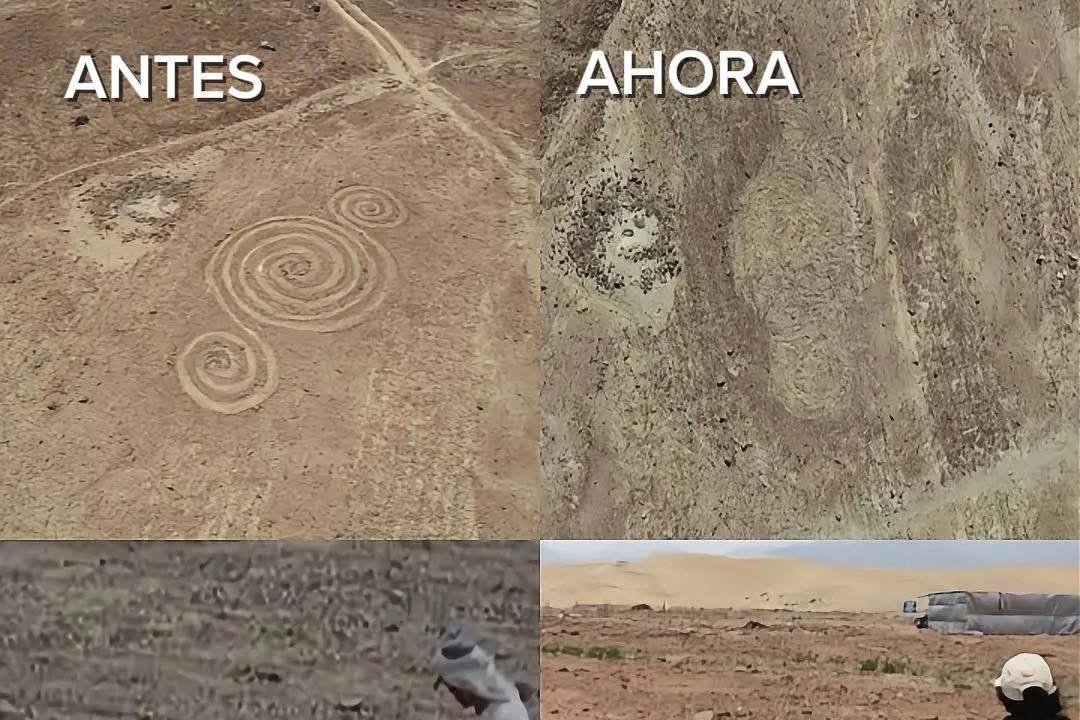
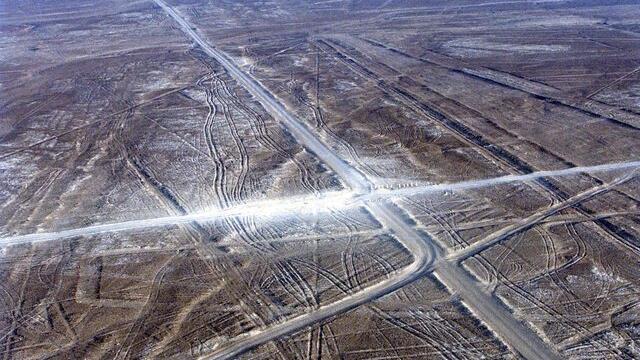
Peru’s government has abandoned a plan that reduced the size of a protected area around the country’s ancient Nazca Lines, after criticism the change made them vulnerable to the impact of informal mining operations.
Peru’s culture ministry said on Sunday that it was reinstating with immediate effect the protected area covering 5,600 square kilometers (2,200 square miles), that in late May had been cut back to 3,200 sq km. The government said at the time the decision was based on studies that had more precisely demarcated areas with “real patrimonial value”.
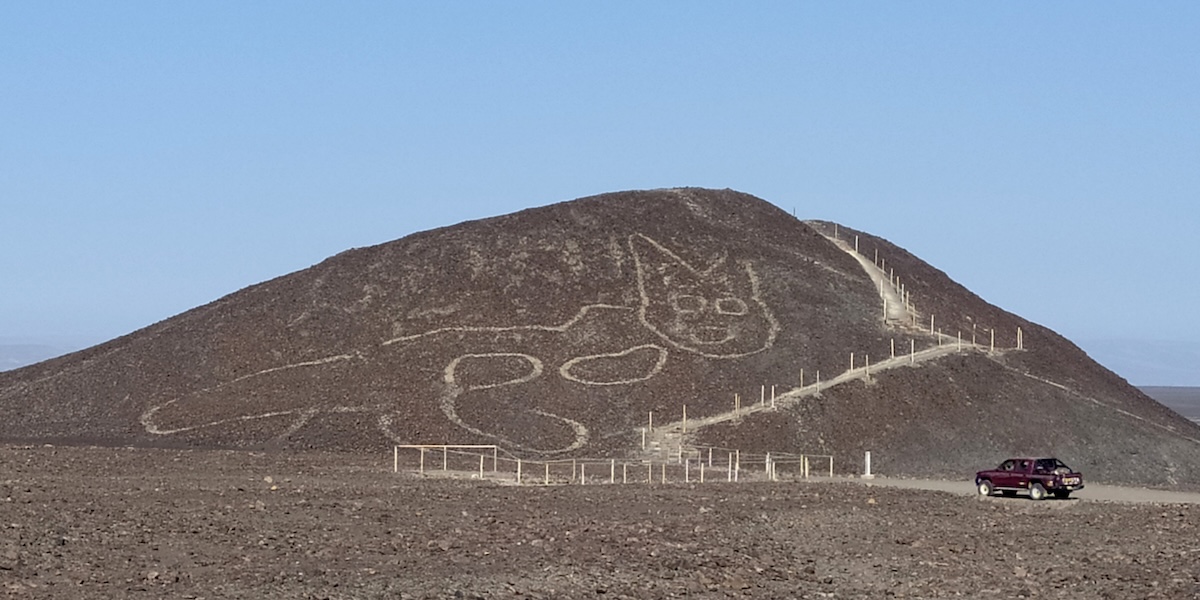
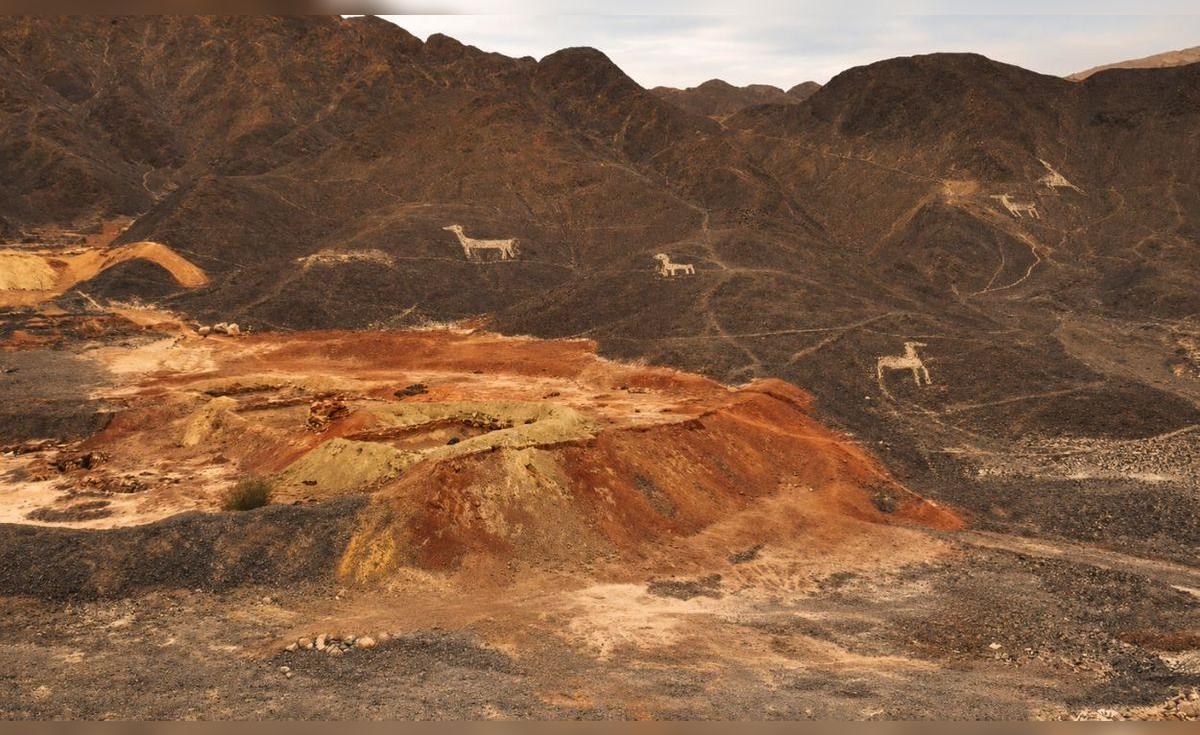
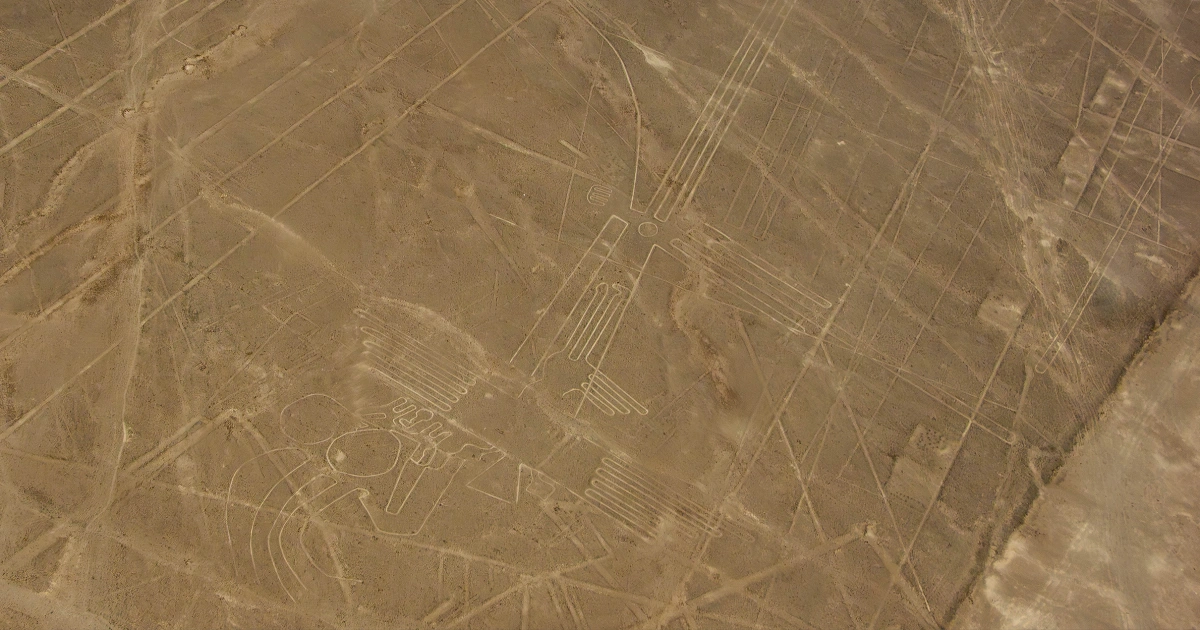
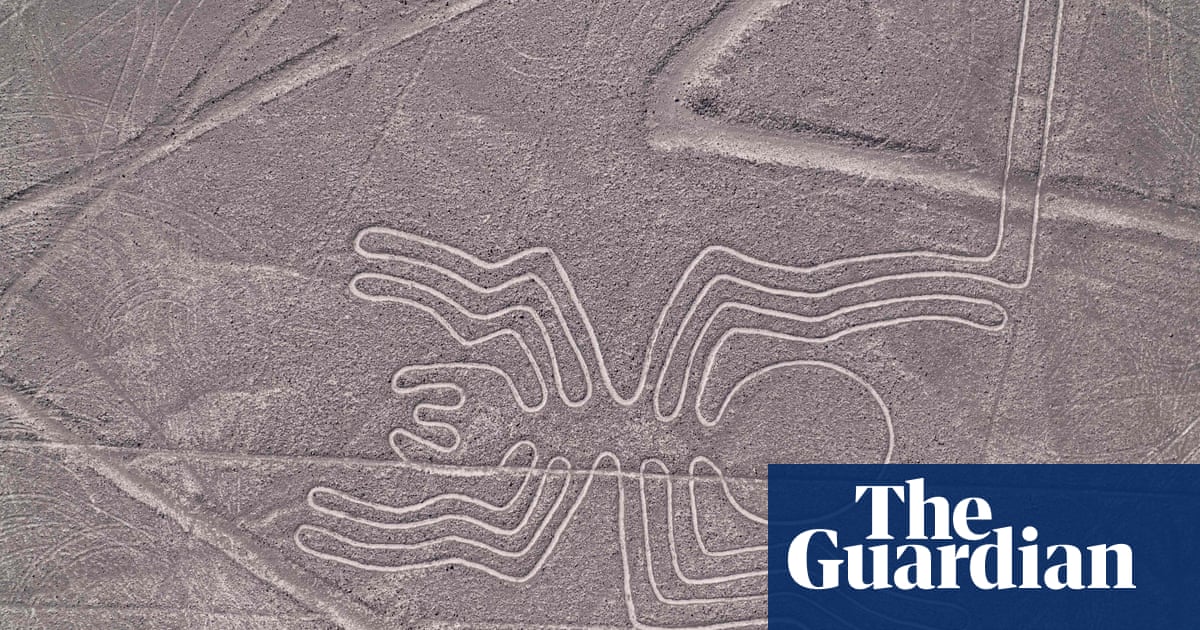
The remote Nazca region located roughly 400km (250 miles) south of Lima contains hundreds of pre-Hispanic artefacts and its plateau is famous for the Nazca Lines, where more than 800 giant desert etchings of animals, plants and geometric figures were created more than 1,500 years ago. Unesco declared them a World Heritage site in 1994.
A technical panel of government representatives, archaeologists, academics and members of international organisations, including Unesco, will work together to build consensus on a future proposal for zoning and land use in the area, the culture ministry’s statement said.