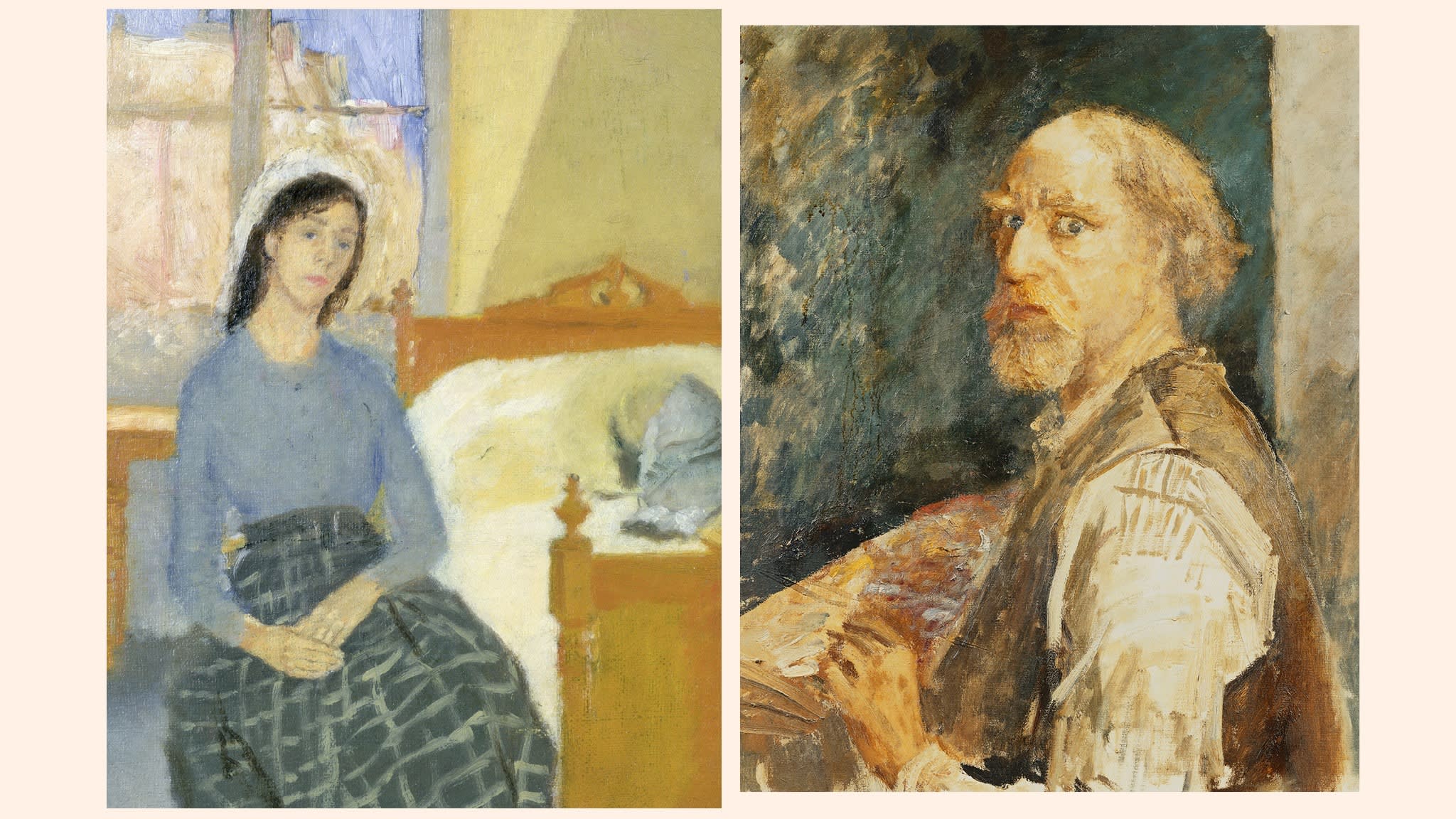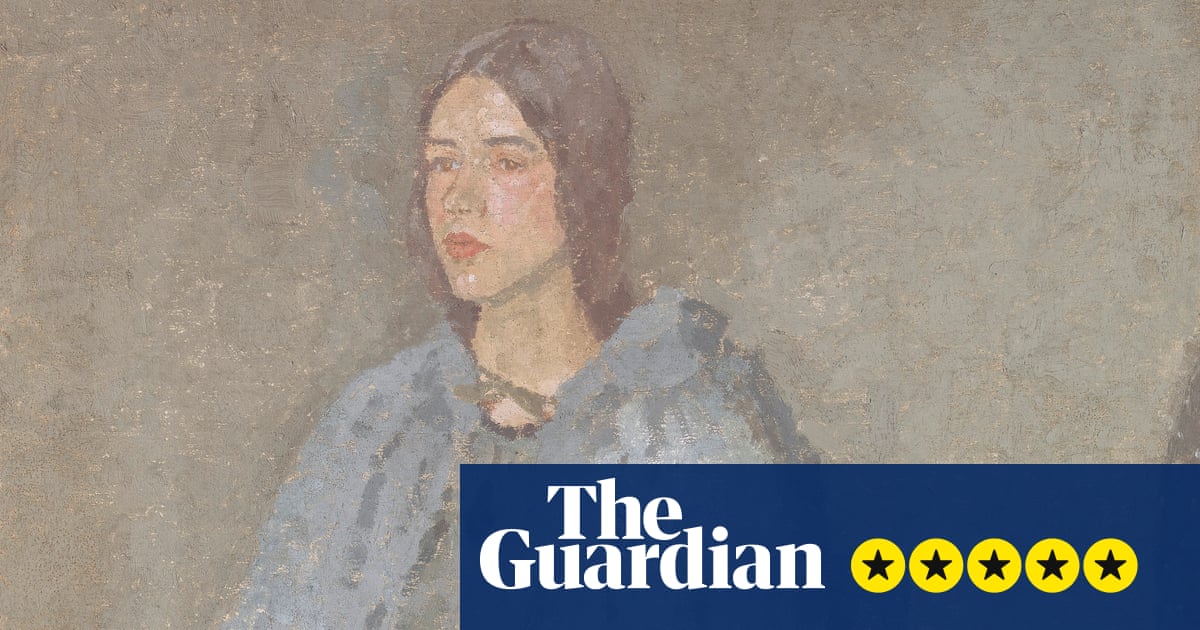
Gwen’s talent vastly outshone her brother’s – but both are treated with subtlety in this outstanding dual biography
A
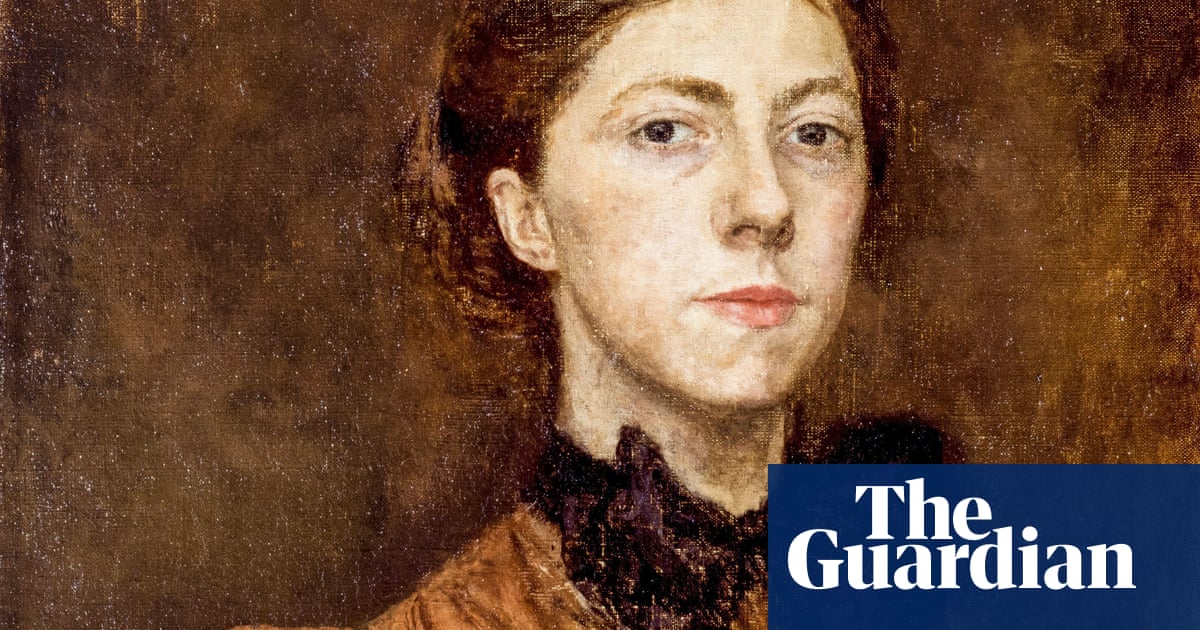
young woman sits reading, a pot of tea to hand, her blue dress almost the only colour in a still, sandy room. Gwen John’s painting The Convalescent shows a subdued yet happy moment, for this woman is free to think and feel. That, we see in Judith Mackrell’s outstanding double biography of Gwen and her brother, was her ideal for living: to be at liberty even if that meant existing in deepest solitude.
The quietness of a life spent largely alone in single rooms, reading, drawing, painting and occasionally having wild sex with the sculptor Rodin, is counterpointed in this epic narrative by the crowded, relentless, almost insanely overstimulated life of Augustus John. Lion of the arts in early 20th-century Britain, he was a bigamist, adulterer, father of so many children you lose track (so did he), and an utterly forgettable painter.
Today, we take Gwen John’s posthumous triumph over her brother for granted. While “Gus” – as he was known in their childhood in Tenby, Wales, and to her always – was toweringly famous in his lifetime, portraitist of Lawrence of Arabia and James Joyce, he’s dust now. Growing up in Wales, I liked his portrait of Dylan Thomas on the cover of a biography: curly-haired, baby-faced, rebellious. I didn’t have any idea of the story behind it. As Mackrell relates, Augustus began a relationship with a teenager, Caitlin Macnamara, which she would come to see as abusive, punishing him by having a very physical flirtation with Thomas in front of him. Soon afterwards, she married the poet. Guilty and confused, Augustus would leave money in his coat pockets for the penniless couple to steal.