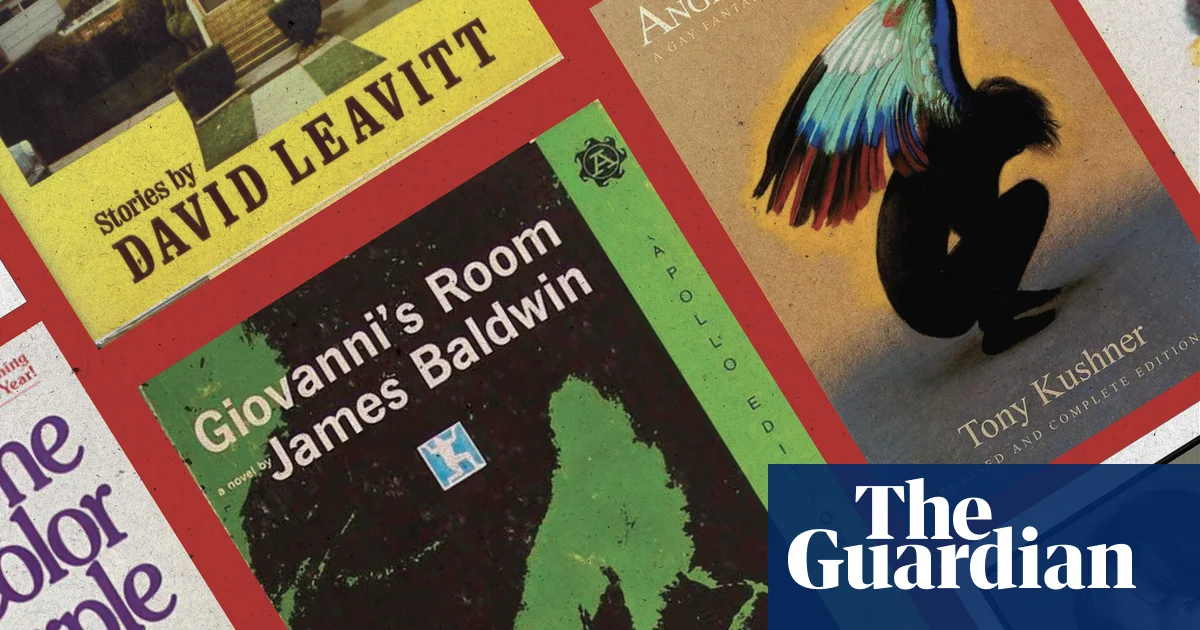
Groundbreaking memoirs continue to shape the history of LGBTQ+ rights
“W
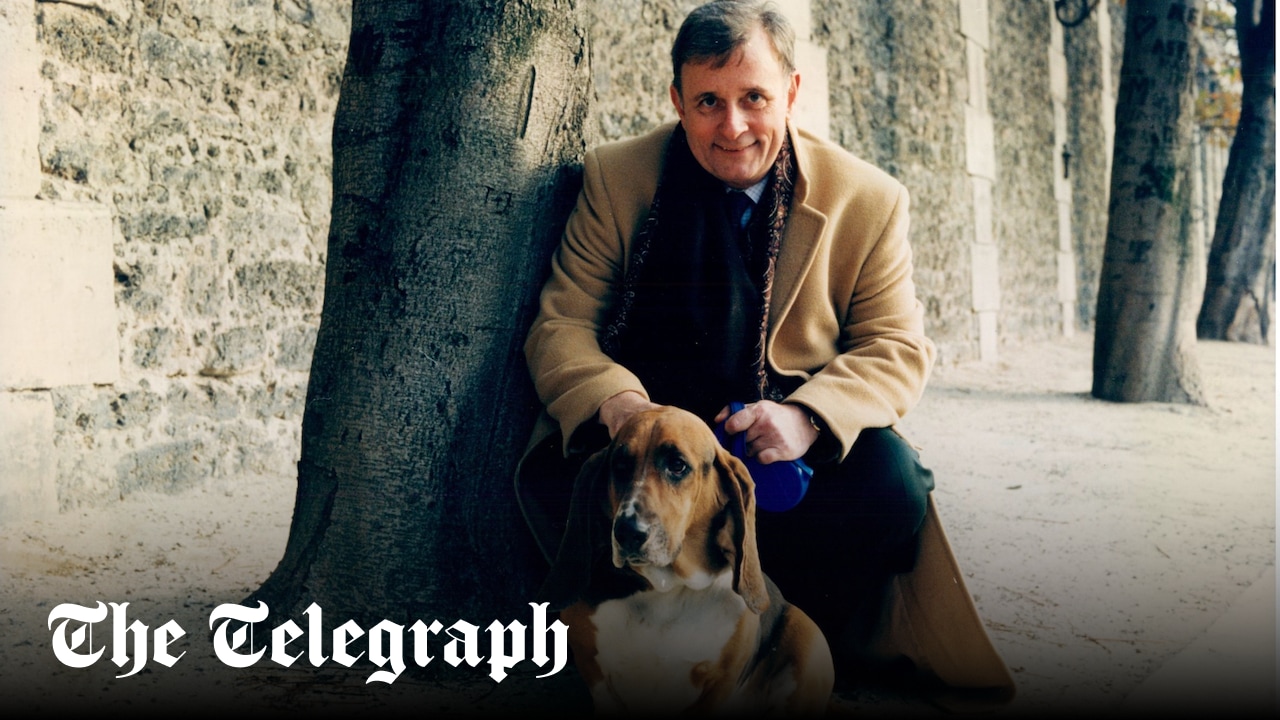
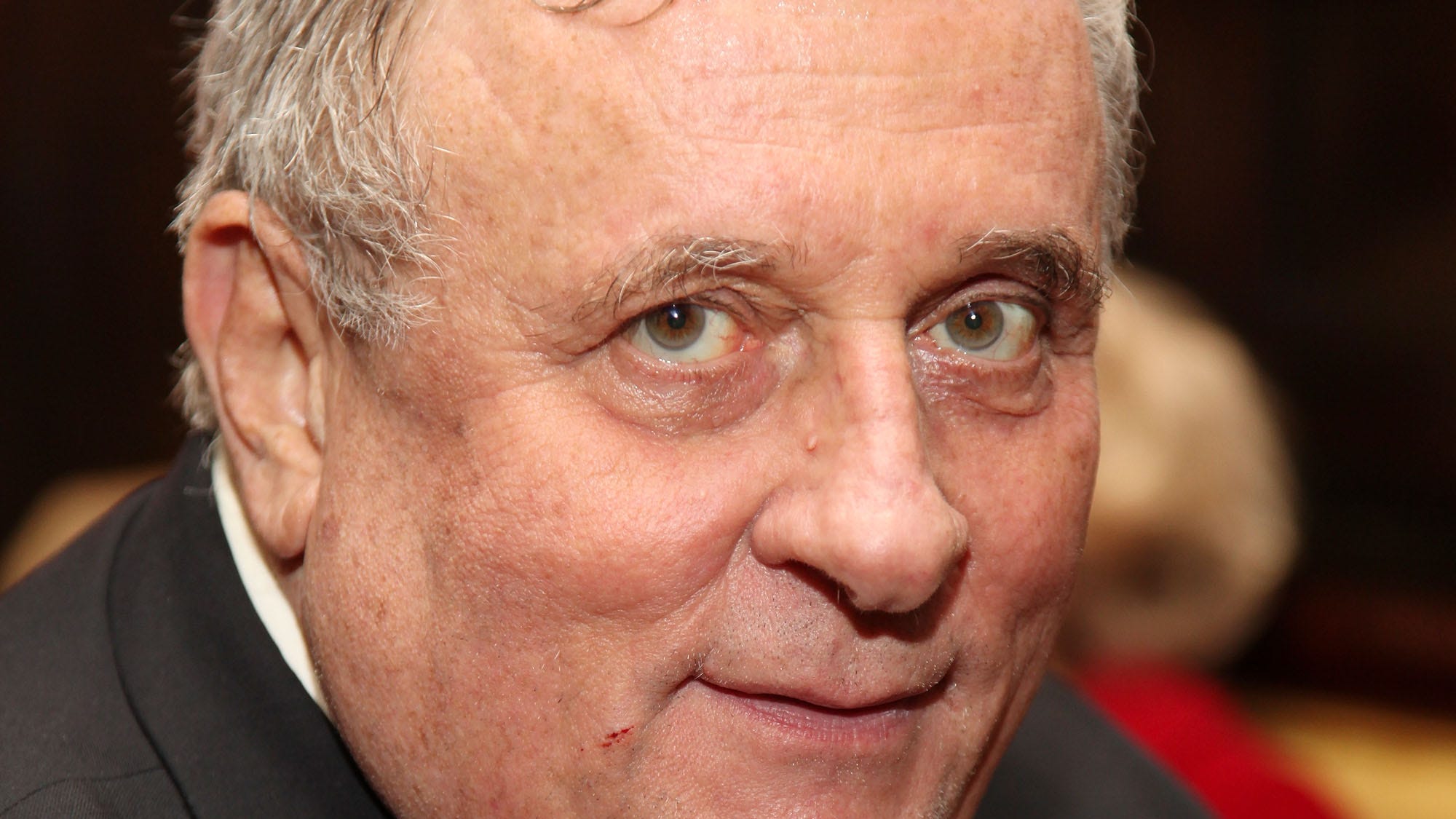
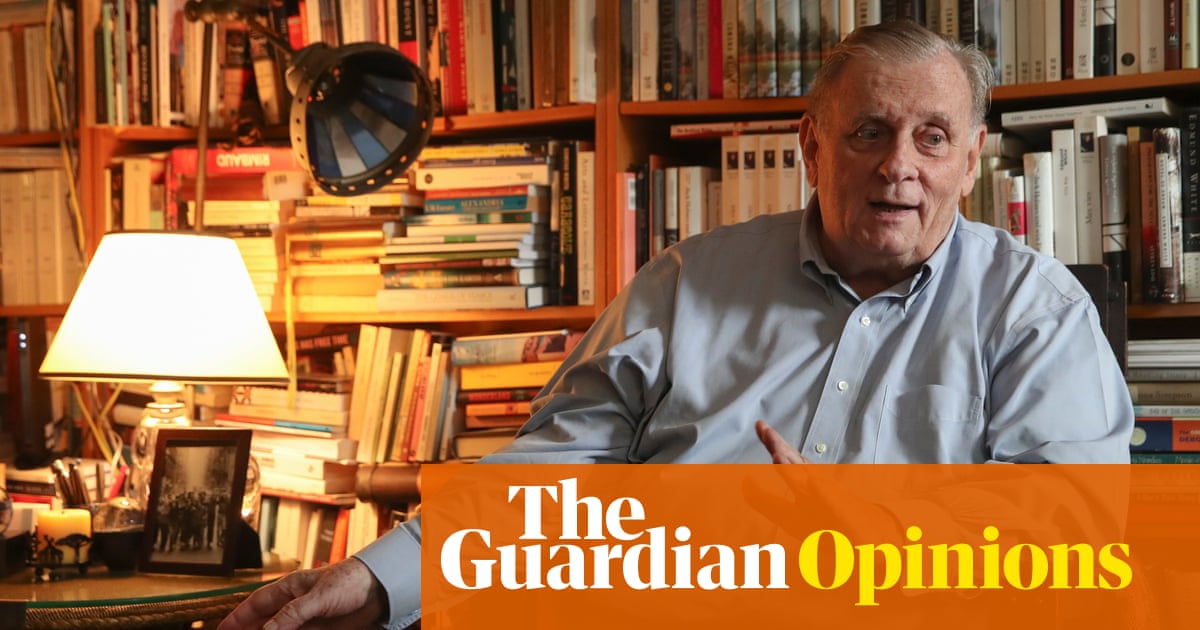
hat if I could write about my life exactly as it was?” the teenage narrator of Edmund White’s A Boy’s Own Story wonders. “What if I could show it in all its density and tedium and its concealed passion, never divined or expressed?” Published in 1982, A Boy’s Own Story was hailed as one of the first coming-out novels, and its author, who died aged 85 last week, as a great pioneer of gay fiction.
This auto-fiction relates White’s privileged adolescence in 1950s Chicago, his struggles with his sexuality and search for a psychoanalytical “cure”. In its extraordinary candour about sex – a hallmark of White’s prodigious career – the novel remains startling today. It arrived at a pivotal moment in gay history: after the hope of the Stonewall uprising and just before the devastation of Aids, both of which White documented in what became an autobiographical trilogy with The Beautiful Room is Empty (1988) and The Farewell Symphony (1998).
Lancashire in the 1970s might seem a world away from the American midwest two decades earlier, but Jeanette Winterson’s account of her miserable childhood in Oranges Are Not the Only Fruit was similarly groundbreaking when it was first published in 1985. Forty years later, plans are under way for an RSC musical version next year. “Why be happy when you could be normal?” her adoptive mother, Mrs Winterson, an evangelical Pentecostal Christian, demands, when she catches the teenage Jeanette in bed with another girl.