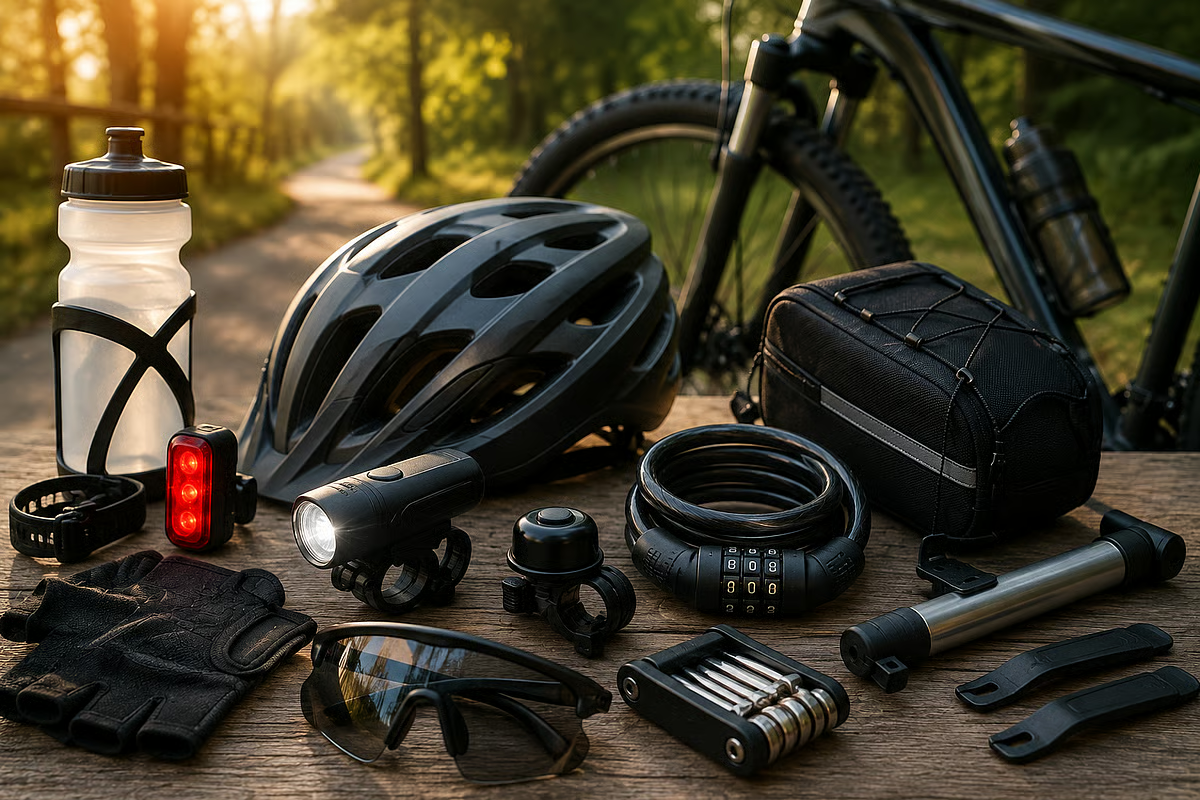
ONE OF THE best parts of owning a bicycle is shopping for all the gear and accessories that you need to go along with it, from bike lights to stay visible on the streets to bike locks to keep it safe when you're at the shop. But no piece of equipment is more important than a bike helmet.
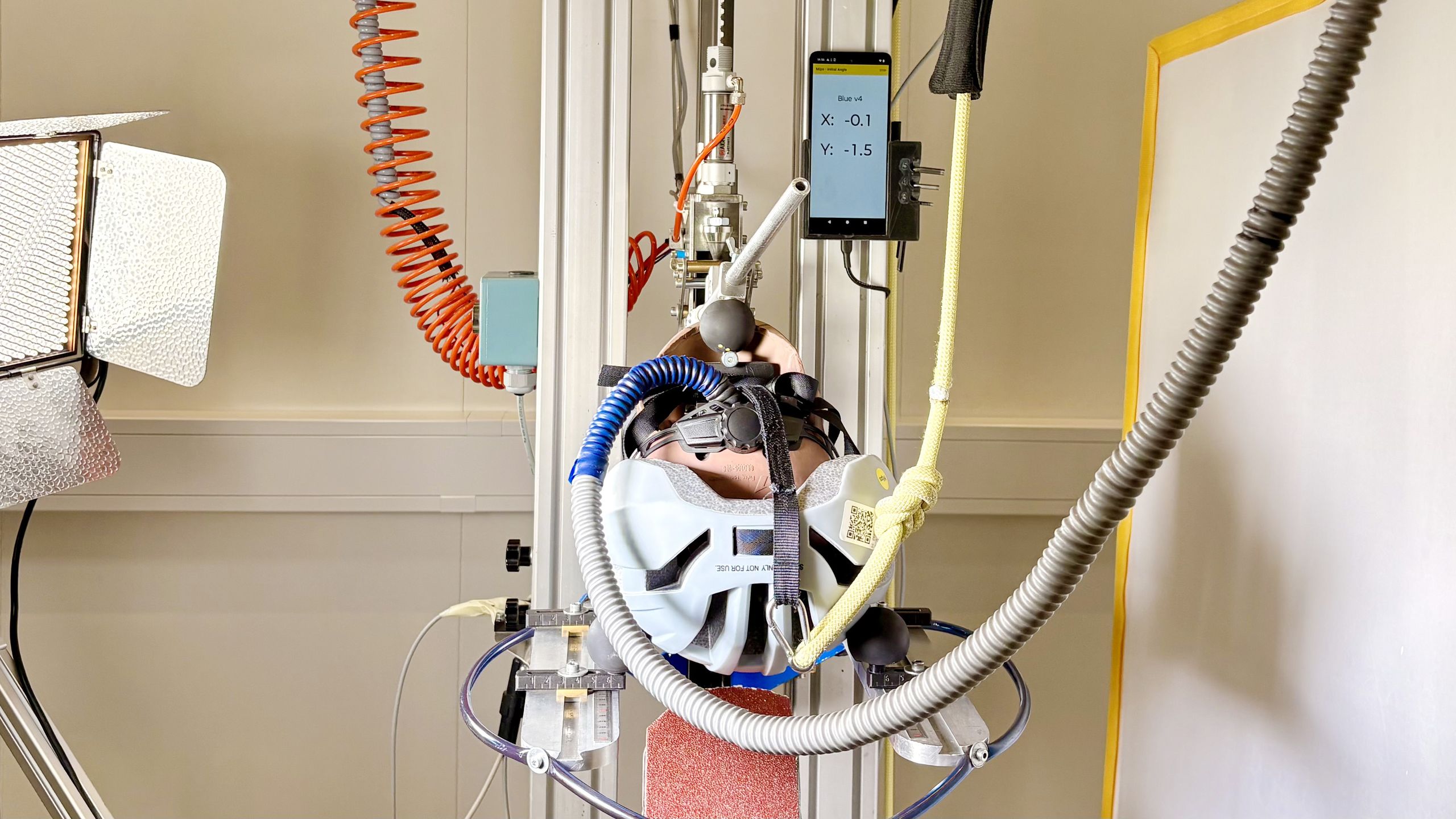
But does buying a more expensive helmet mean you get more protection? What features do you need for what you intend to do, and how often do you have to replace it? And what the heck does MIPS mean? Let me walk you through the jargon and help you make sure your brain stays safe in your skull.
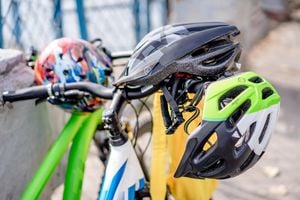
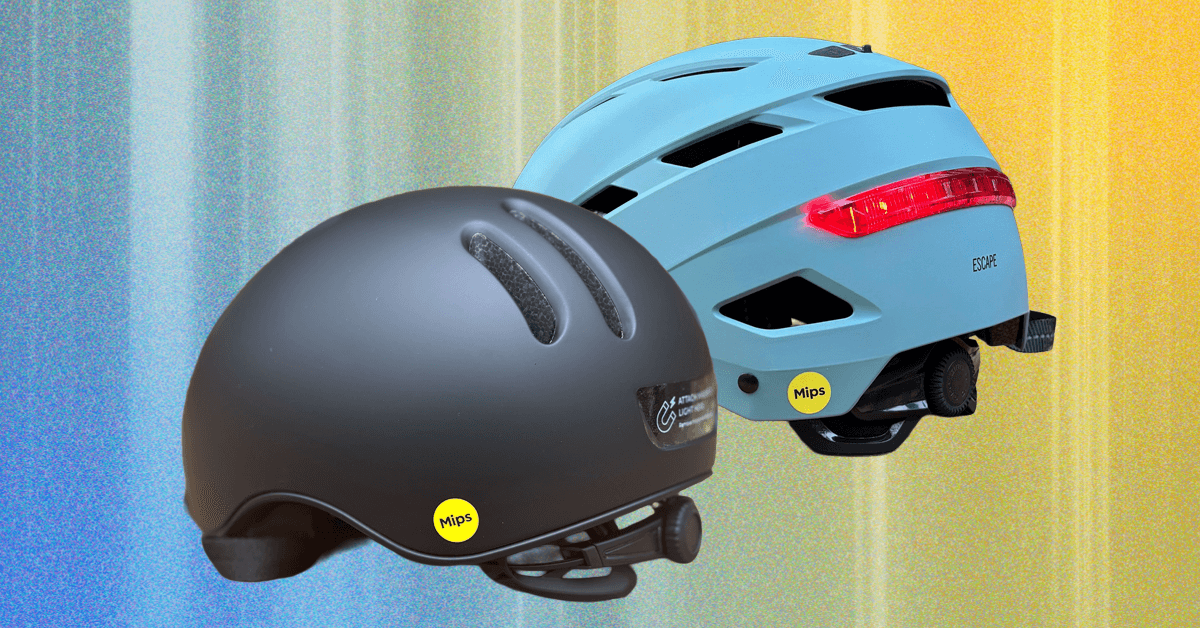
That depends on the kind of riding you do. If you just ride 1 to 5 miles on city streets to work, a commuter or everyday helmet is fine. Some have more or less ventilation or look more or less cool. Others, like the Thousand Chapter MIPS ($145), have commuter-friendly features, like a punch-out hole that lets you lock up your helmet with your bike.
If you're a road cyclist, you need a road helmet like the Kask Utopia Y ($300), which takes aerodynamics, ventilation, and weight into account. A road helmet has to help you go against the wind, keep sweat from dripping into your eyes, and be comfortable for long hours of riding. Mountain biking helmets like the Smith Forefront 2 ($270) cover the back of the skull and often have a visor, and sometimes even include clips to fasten eye protection or googles.