Once marginalised, overseas Chinese have become a vital bridge for China – and a lightning rod for global tensions
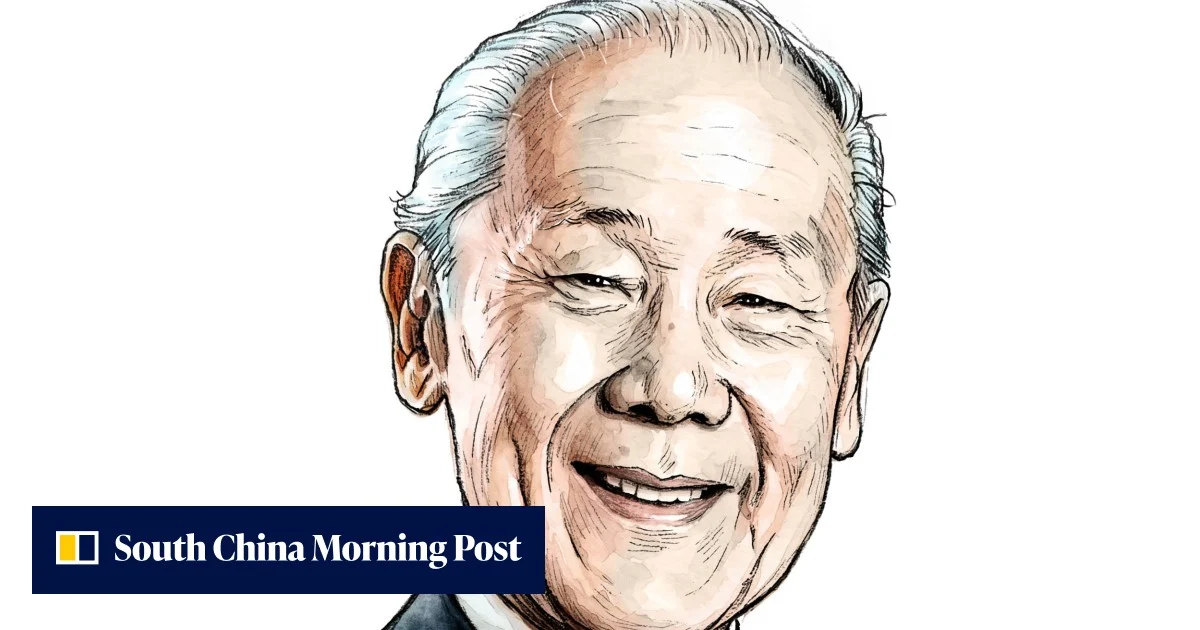
Wang Gungwu – one of Asia’s most respected historians and a pioneering scholar of the Chinese diaspora – explores in Roads to Chinese Modernity: Civilisation and National Culture how China evolved into a modern nation navigating reform and globalisation. In this excerpt, Wang traces how, in the late 19th and early 20th centuries, reformers and revolutionaries such as Kang You-wei, Liang Qichao and Sun Yat-sen began rallying support from overseas Chinese communities. Once dismissed as disloyal exiles, these migrants soon came to be seen as both a strategic asset and a political risk in China’s rise.
Some of those who had recently come from China had anti-Manchu backgrounds, while others were ashamed that it was repeatedly defeated by the West, and alarmed that China was backward and getting poorer. This not only affected their pride but also their status and security abroad, especially those who already felt discriminated against in one way or another. Even though some in the Southeast Asian colonies became rich despite this, they were successful only because they were very adaptable and willing to take many risks. Many others were not so fortunate and ended up destitute.