Reaction to President Donald Trump's new travel bans was swift in South Florida, home to what are believed to be the largest Venezuelan, Haitian and Cuban communities in the United States.
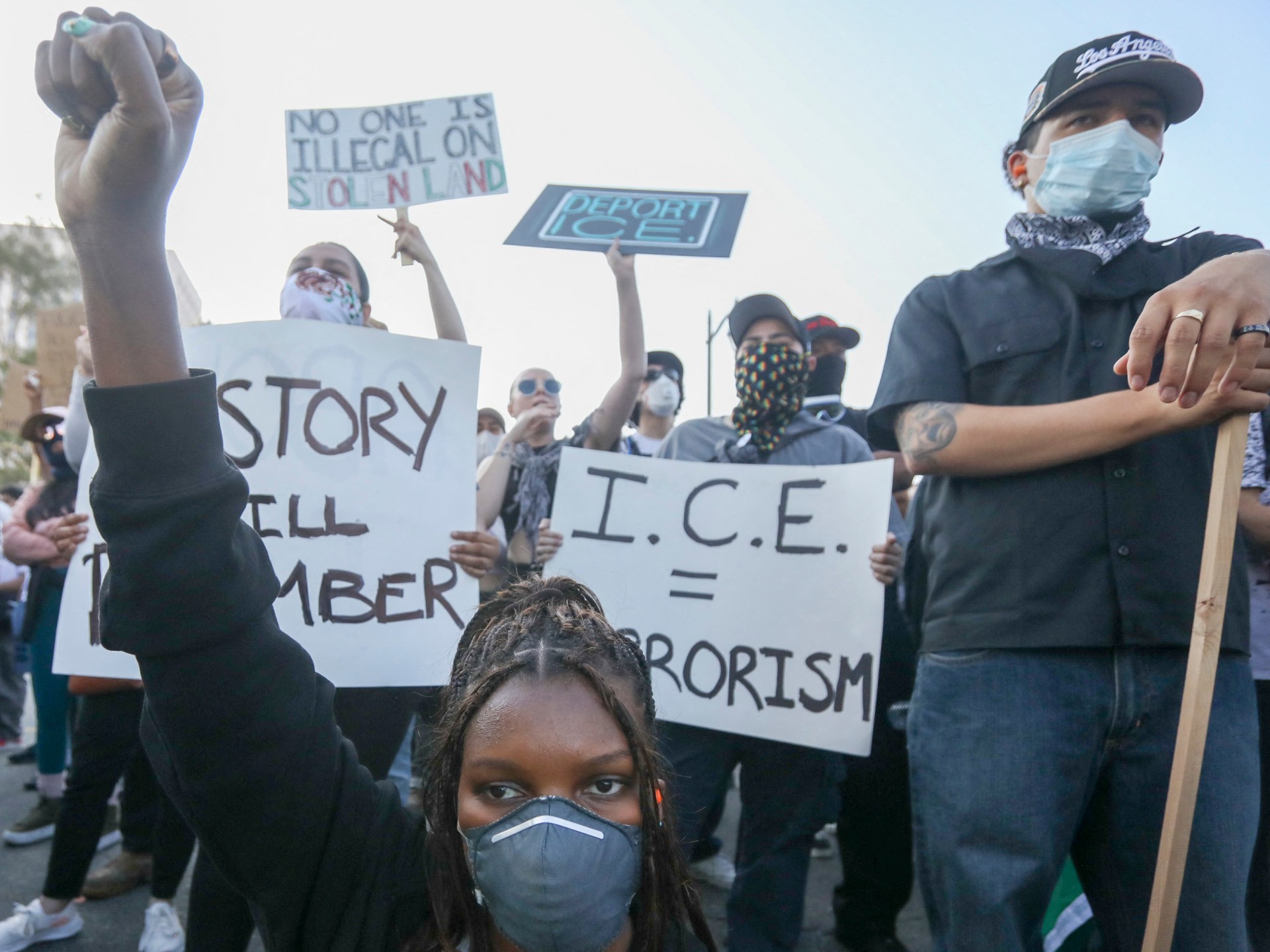
"I am deeply concerned by this decision which further divides us as Americans and harms hardworking families contributing to the essential fabric of our community," Miami-Dade Mayor Daniella Levine Cava said in a June 5 social media post. "The work of our federal government should be to protect our borders and pass comprehensive immigration reform, not tear down our communities."
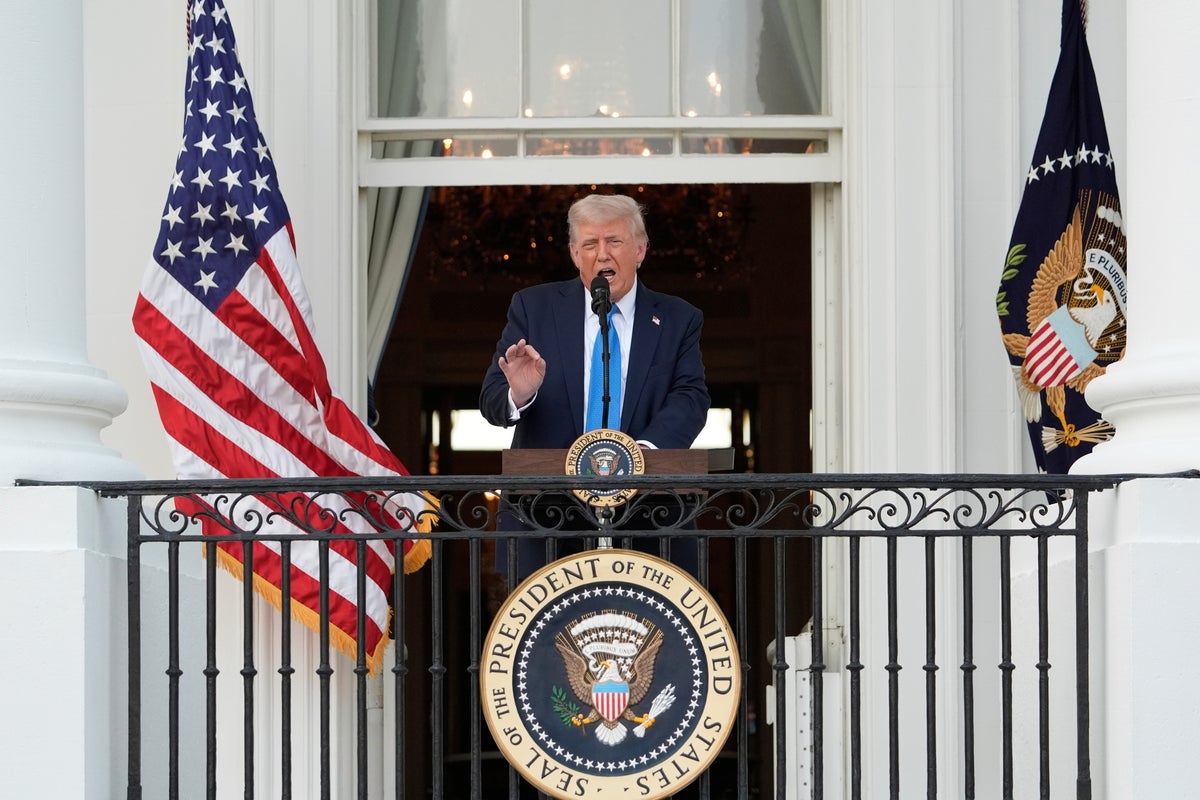
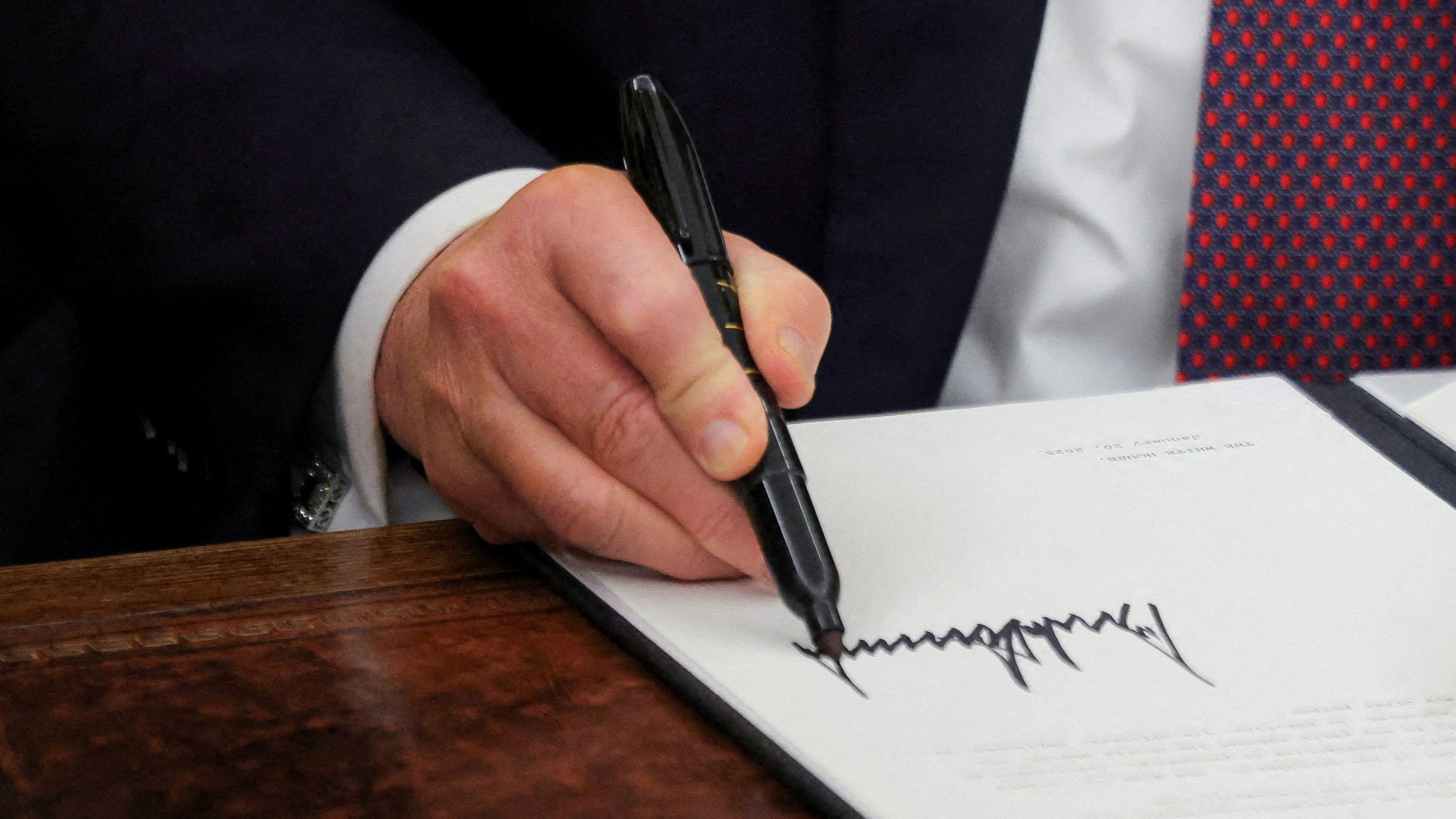
Trump's proclamation, signed on June 4, takes effect June 9. The administration cited security reasons for the bans on travelers from a dozen countries and restrictions on those from seven others. It prohibits entry into the U.S. of foreign nationals from Afghanistan, Burma, Chad, the Republic of Congo, Equatorial Guinea, Eritrea, Haiti, Iran, Libya, Somalia, Sudan, and Yemen. Travel restrictions, including suspensions, will be placed on those from Burundi, Cuba, Laos, Sierra Leone, Togo, Turkmenistan, and Venezuela.
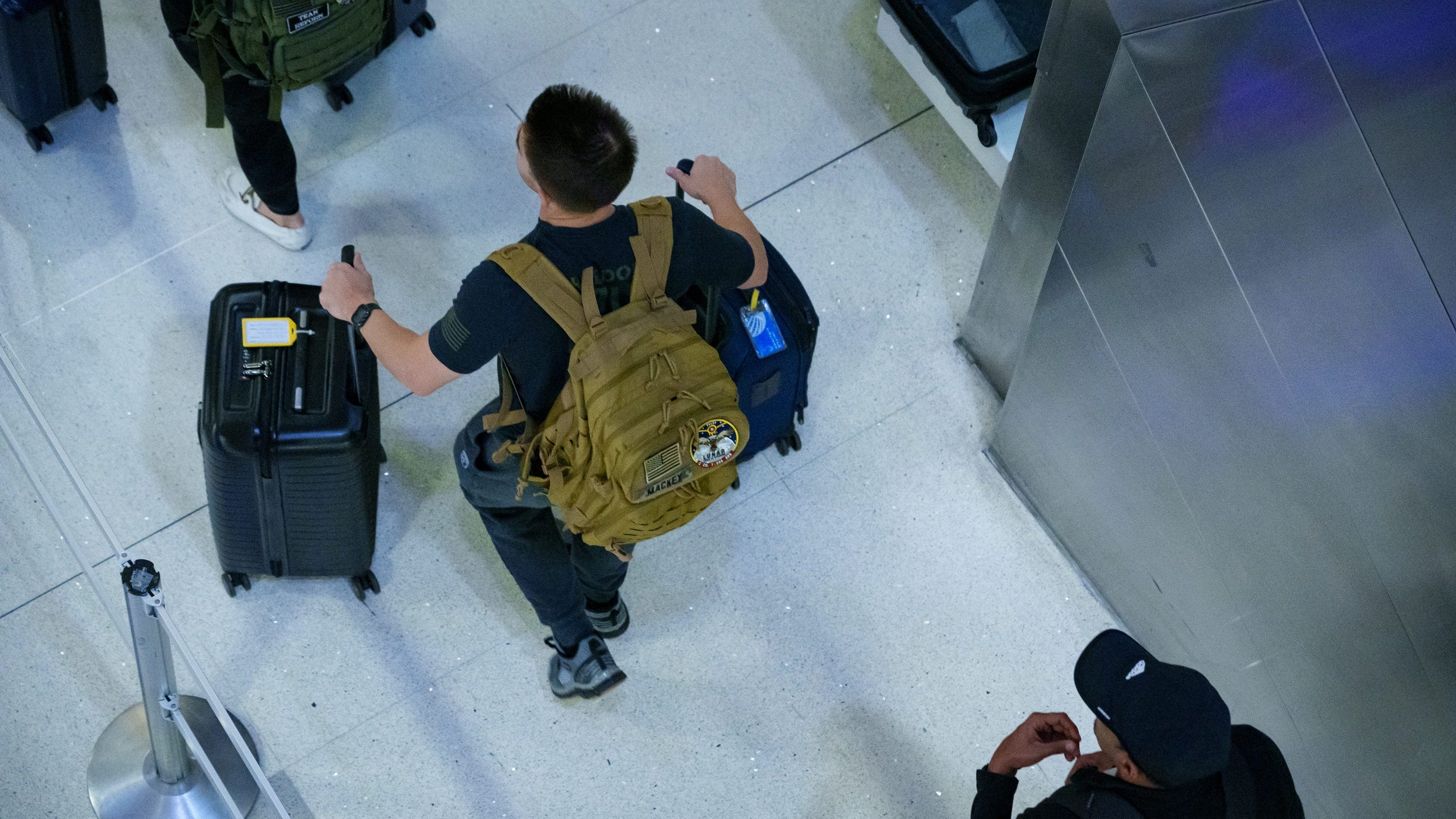
Of the nearly 1.7 million visas issued to people from those countries between 2014 and 2023, almost half were from Venezuela. They reunited with family, shopped and visited Disney World and other theme parks and attractions, according to recent media and social media accounts.