Campaigners say designation promotes unsustainable sheep farming at expense of nature recovery and local communities
Conservationists have launched a campaign to revoke the Lake District’s Unesco world heritage status, arguing that it promotes unsustainable sheep farming at the expense of nature recovery and local communities.
In a letter to Unesco, the ecologist Lee Schofield argues that the designation “promotes a false perception of farming, is not economically sustainable, is working against crucial efforts to restore the natural environment and mitigate the impacts of climate change, does not help sustain farming livelihoods, is not wanted by local people and is contributing to damaging overtourism.”
The campaign is backed by a report published by World Heritage Watch, co-authored by Schofield, Dr Karen Lloyd of Lancaster University and the University of Cumbria’s Prof Ian Convery. They argue that the inscription elevates sheep farming over equally traditional mixed farming that includes cattle, pigs, horses and poultry.
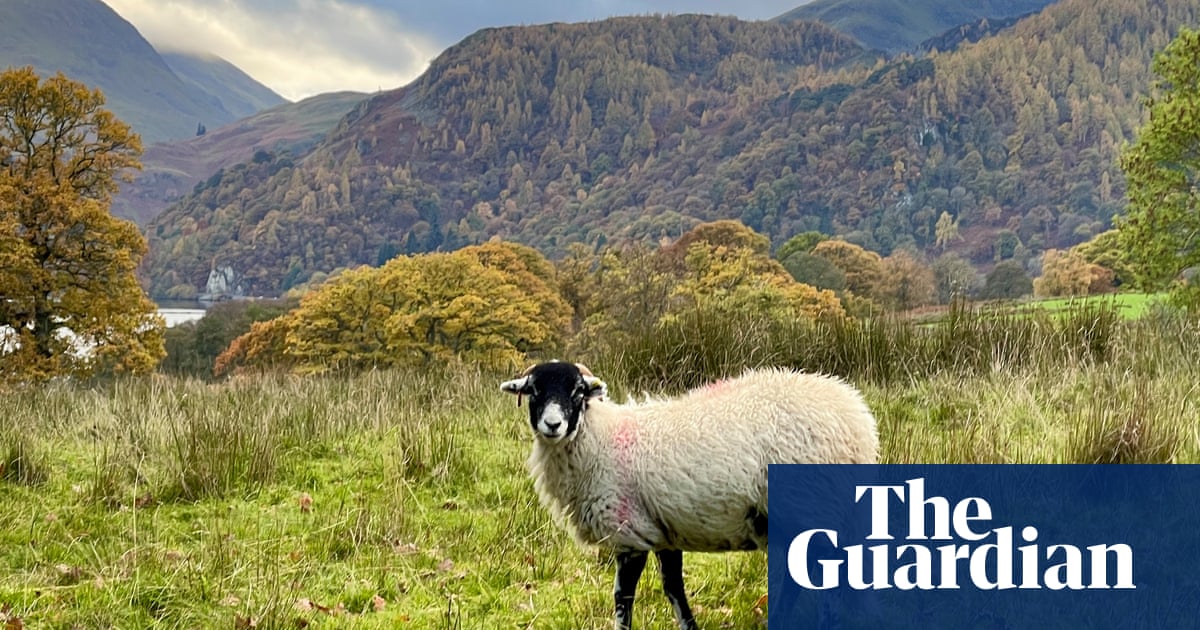
The Unesco designation celebrates the Lake District as a “cultural landscape” shaped by traditional agro-pastoral farming, with sheep farming a central part of its identity. Schofield notes that the word “sheep” appears 357 times in the Lake District’s 716-page nomination document, far exceeding mentions of other traditional livestock.