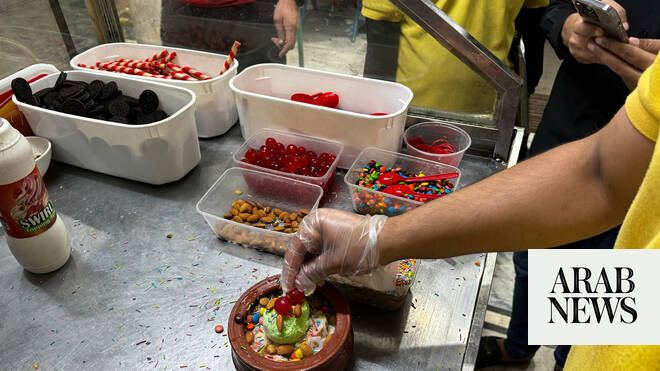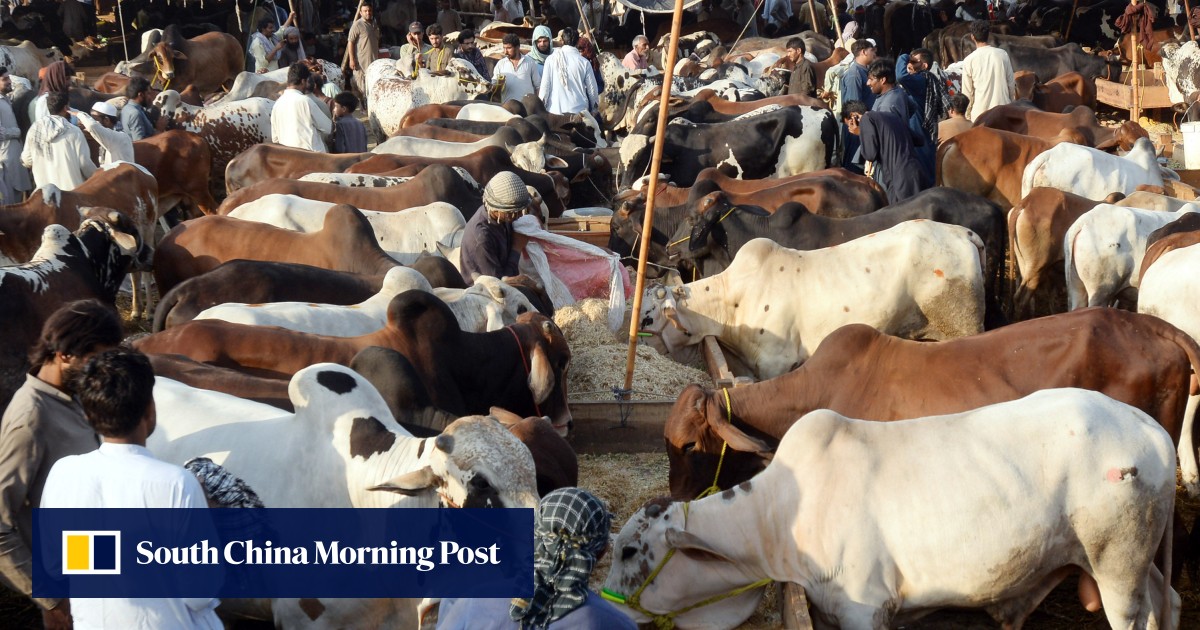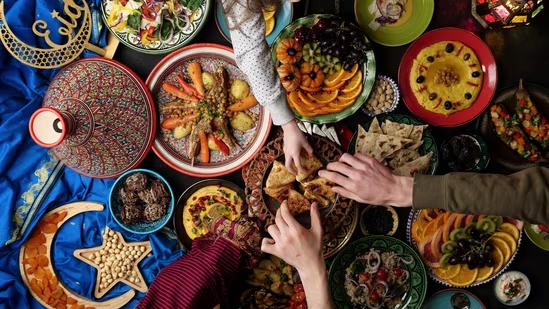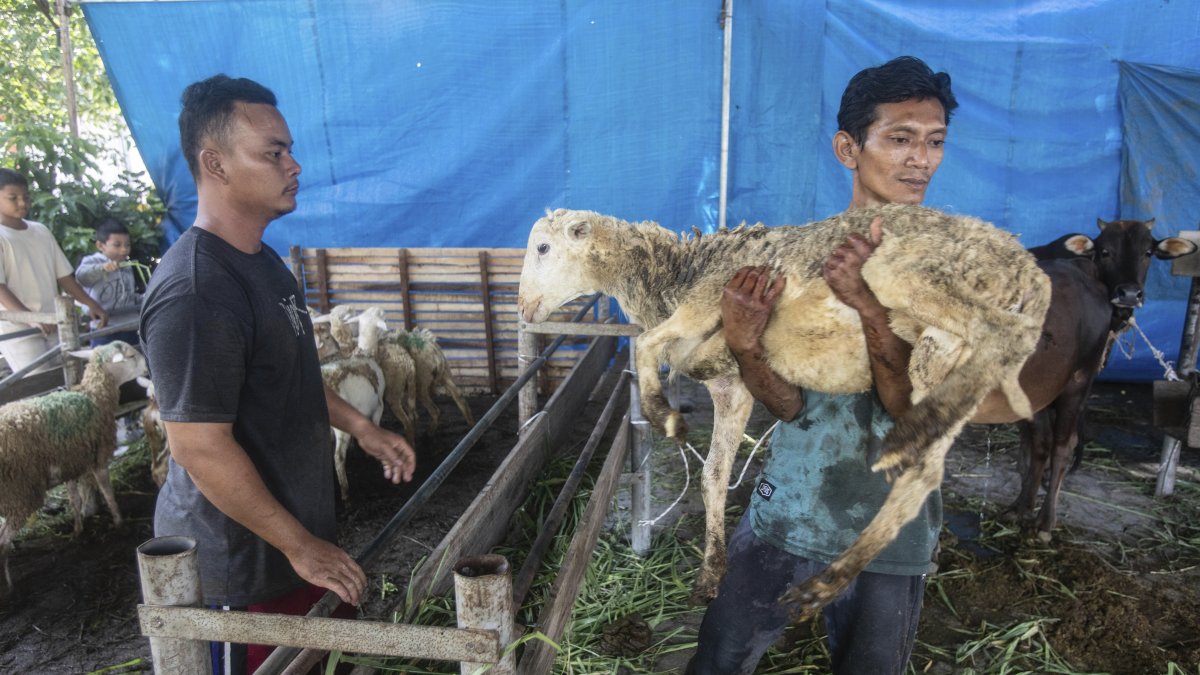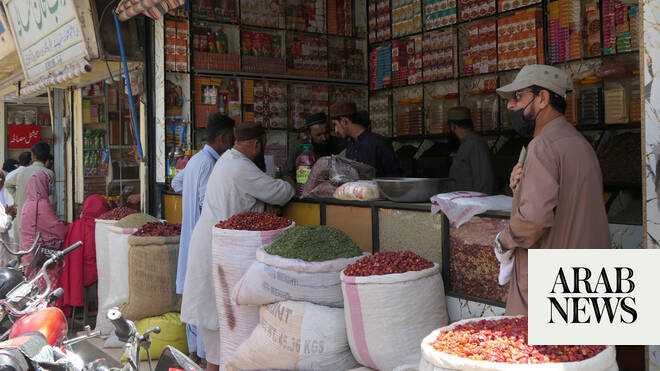
QUETTA: In the narrow, bustling lanes of a fresh produce market in the southwestern Pakistani city of Quetta, the air is thick with the sharp scent of spices - cardamom, black pepper, cumin, and garlic - heralding the arrival of Eid Al-Adha, a time when food becomes a centerpiece of celebration and sacrifice.
At the heart of the activity is Haji Shair Ali, a 41-year-old spice merchant, carefully measuring out mounds of herbs and seasonings with practiced precision. Armed with a metal scoop and a timeworn grinder, he blends his signature spice mixes for the most anticipated meals of the year: kebabs, rosh, biryani, and stews crafted from the meat of sacrificial animals.
“For us the season lasts all year but during Eid al-Adha, demand for spices increases, particularly for barbecue and Pashtun rosh [slow-cooked mutton or lamb] spices,” Ali told Arab News, smiling through the scent of cumin and cloves at his shop in Quetta's Sabzi Mandi.
“Spices are the adornment of dining. If you cook meat without spices, it tastes bland. Thus, the dishes all depend on spices.”
In the weeks leading up to Eid, which will be observed in Pakistan on June 7 following the conclusion of the Hajj pilgrimage, Quetta’s spice trade sees a surge in activity. While much of the Sabzi Mandi is known for fresh fruits and vegetables, the spice vendors become the unsung heroes of the culinary celebrations, supplying the flavor base for feasts shared by families across the country.