DERA BAJWA, Pakistan: It was supposed to be the final leg of Amir Ali’s monthslong journey to Europe. But he was nowhere near his destination, with only death in sight.
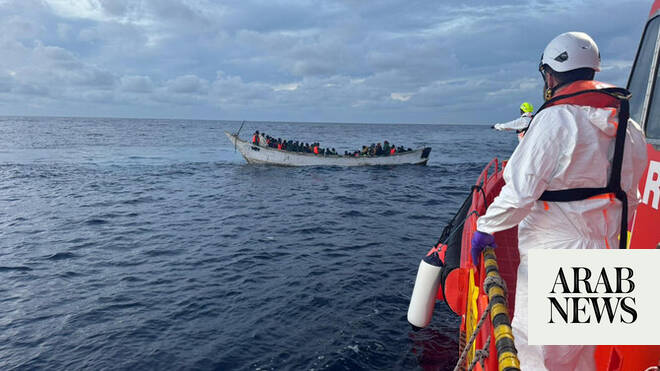
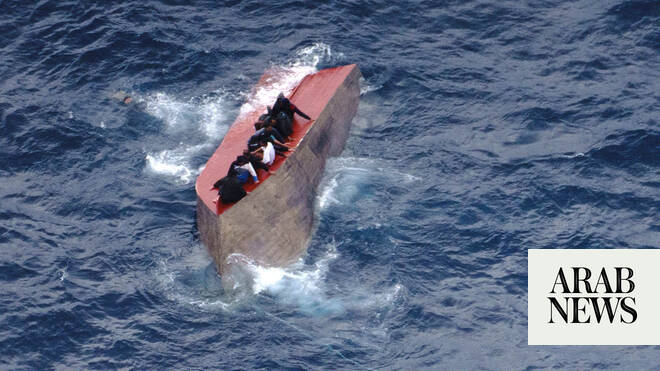
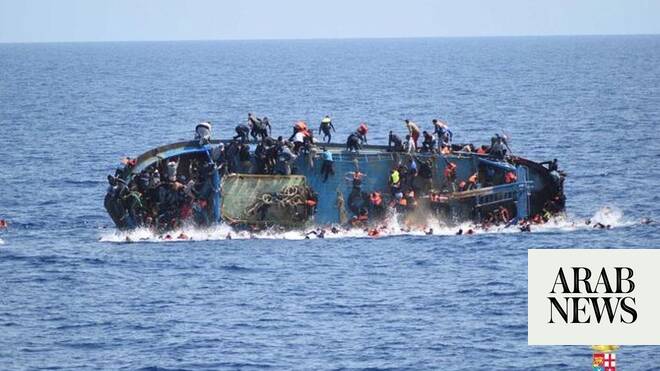
The 21-year-old Pakistani had been promised a visa and a flight to Spain. Yet six months, four countries and $17,000 later, he found himself crammed in a fishing boat in the Atlantic Ocean alongside 85 others, screaming for their lives as seawater sloshed over the gunwales.
Forty-four fellow Pakistani migrants perished during the 10-day failed crossing in January from Mauritania’s coast toward Spain’s Canary Islands.
The deadly journey cast a spotlight on how globalized and sophisticated smuggling networks on the West African coast — and specifically Mauritania — have become. Interviews with survivors and relatives of migrants who died revealed how smugglers have adapted to tighter border controls and anti-migration policies across the Mediterranean and North Africa, resorting to lengthier, more dangerous routes.
Ali’s odyssey began last July. After making an initial deposit of 600,000 Pakistani rupees ($2,127), he went to Karachi airport, where he was told to wait for a shift change before approaching the immigration counter.