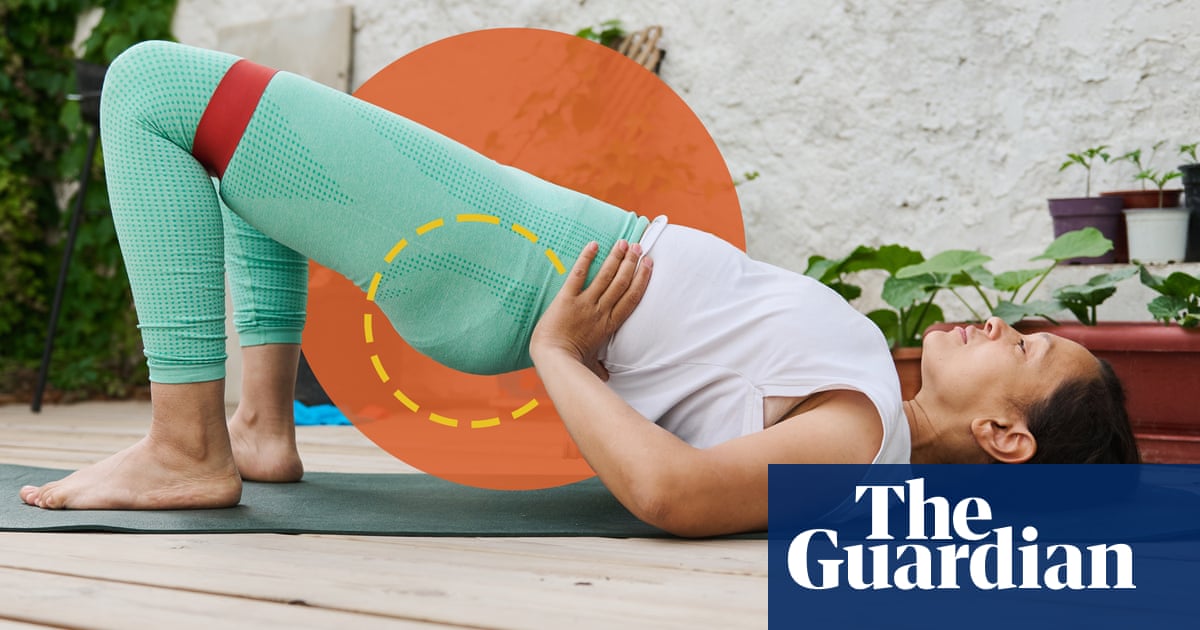
The gluteal muscles are vital for getting us up and about, yet humanity’s increasingly sedentary lifestyle is leading to neglect of our glute health
I’m staring at the screen, trying to write a joke. It involves a muscle called the gluteus maximus, Roman centurions and possibly a reference to Biggus somebody from Monty Python’s Life of Brian.
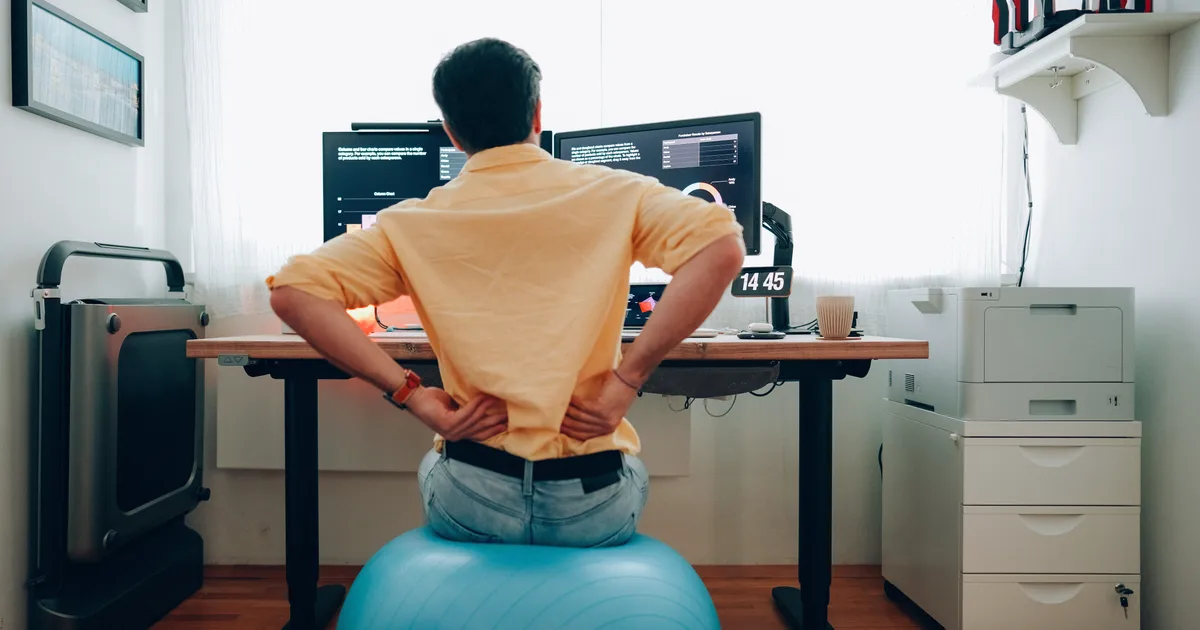
I’ve been sitting here for over an hour, so long that when I finally stand up I have to hobble and wobble a few steps before I can get my stride back.
It’s because my glutei maximi are a bit of a joke. I have spent so much of my life literally sitting on this Roman-sounding muscle, staring at screens, trying to think up killer first lines to stories that by middle-age this undernourished workhorse is vocalising its disappointment at my life choices.
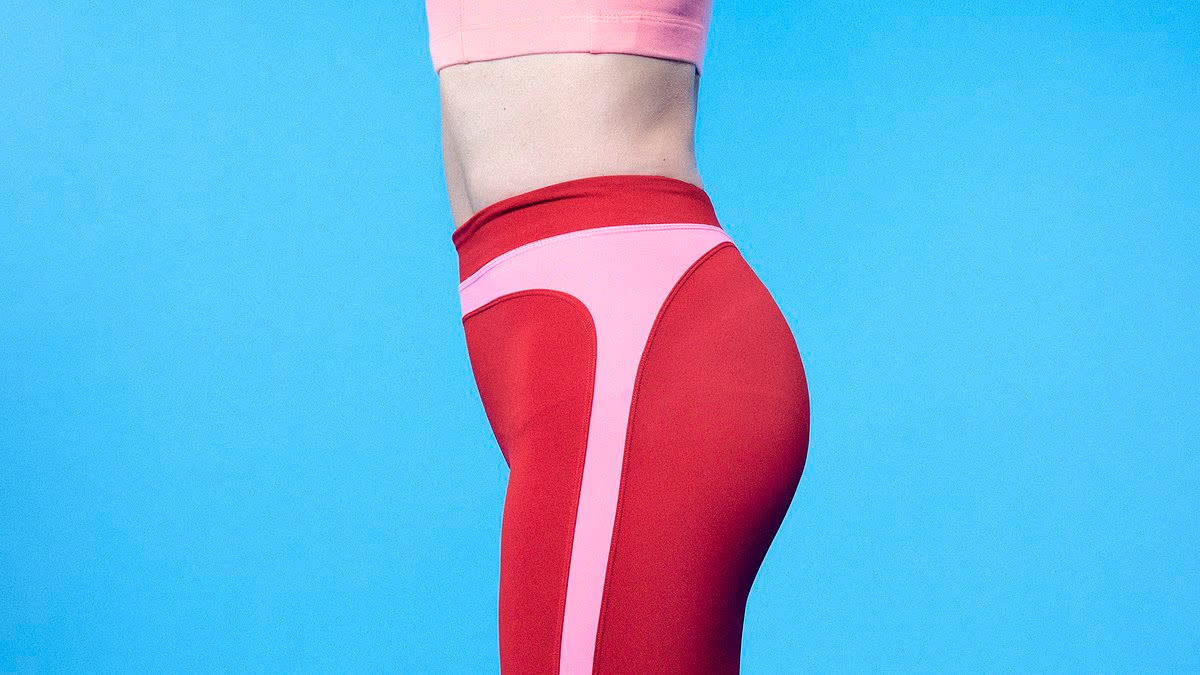
Everyone seems to be talking about glutes right now and it’s not just some fad brought on by Kim Kardashian’s internet-breaking bum. Fitness instructors tell us to “switch on those glutes”, or admonish us for having “lazy” glutes or “dead butt syndrome”; suddenly, it’s all about the bass. And it’s for good reason.