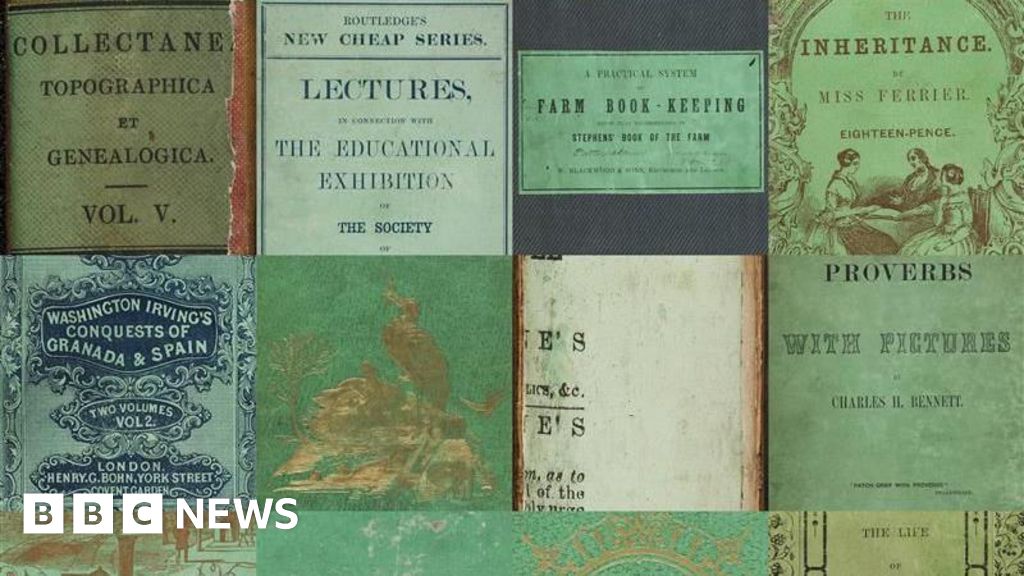
Arsenic was historically mixed with copper to create a vivid green for book covers, which can irritate modern day readers
A new tool to quickly identify books that are poisonous to humans has been developed by the University of St Andrews.
Historically, publishers used arsenic mixed with copper to achieve a vivid emerald green colour for book covers. While the risk to the public is “low”, handling arsenic-containing books regularly can lead to health issues including irritation of the eyes, nose and throat along with more serious side-effects. The toxic pigment in the book bindings can flake off, meaning small pieces can easily be inhaled.
In recent years, many libraries have prevented access to all suspect green books as a precaution, as testing has until now been costly and time-consuming. For example, the University of Bielefeld, along with several other German universities, isolated 60,000 books as a precautionary measure last year.
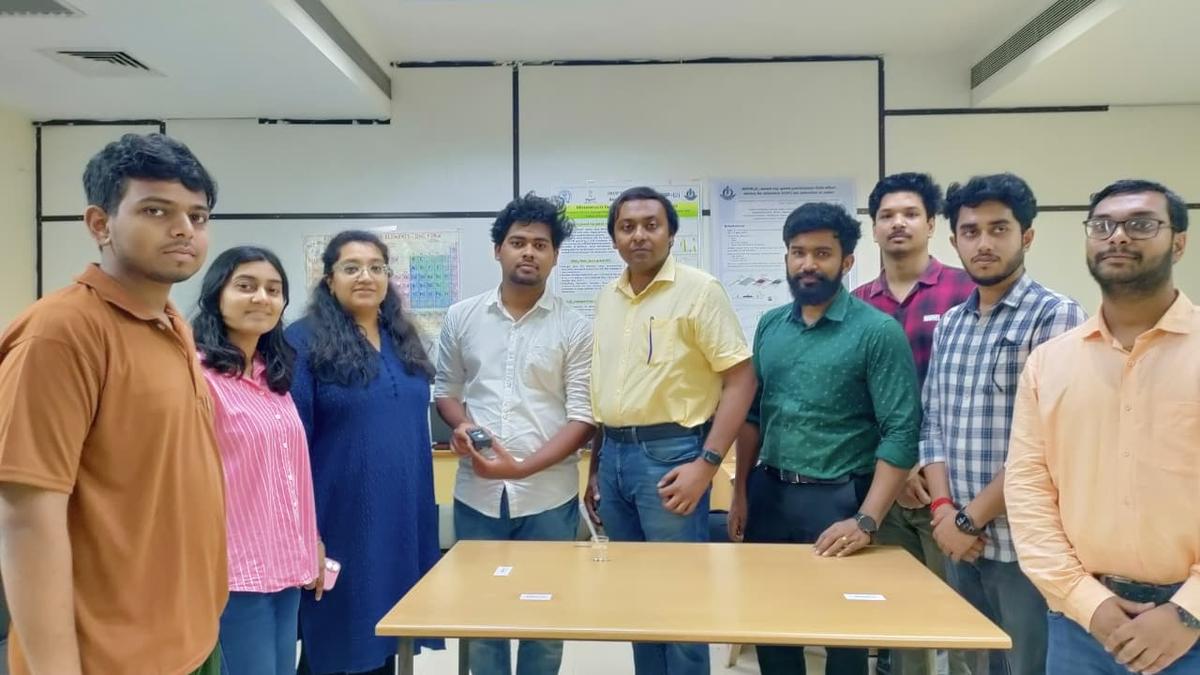
The new device can quickly and cheaply detect the presence of toxic pigment. “A device used in the School of Earth Sciences to detect minerals in rocks was the starting point,” said Pilar Gil, who led the research. “The Eureka moment was discovering the unique reflectance pattern from emerald green pigment in the visible spectrum. The idea was then to apply this discovery to an instrument which we could use and share with the sector.”