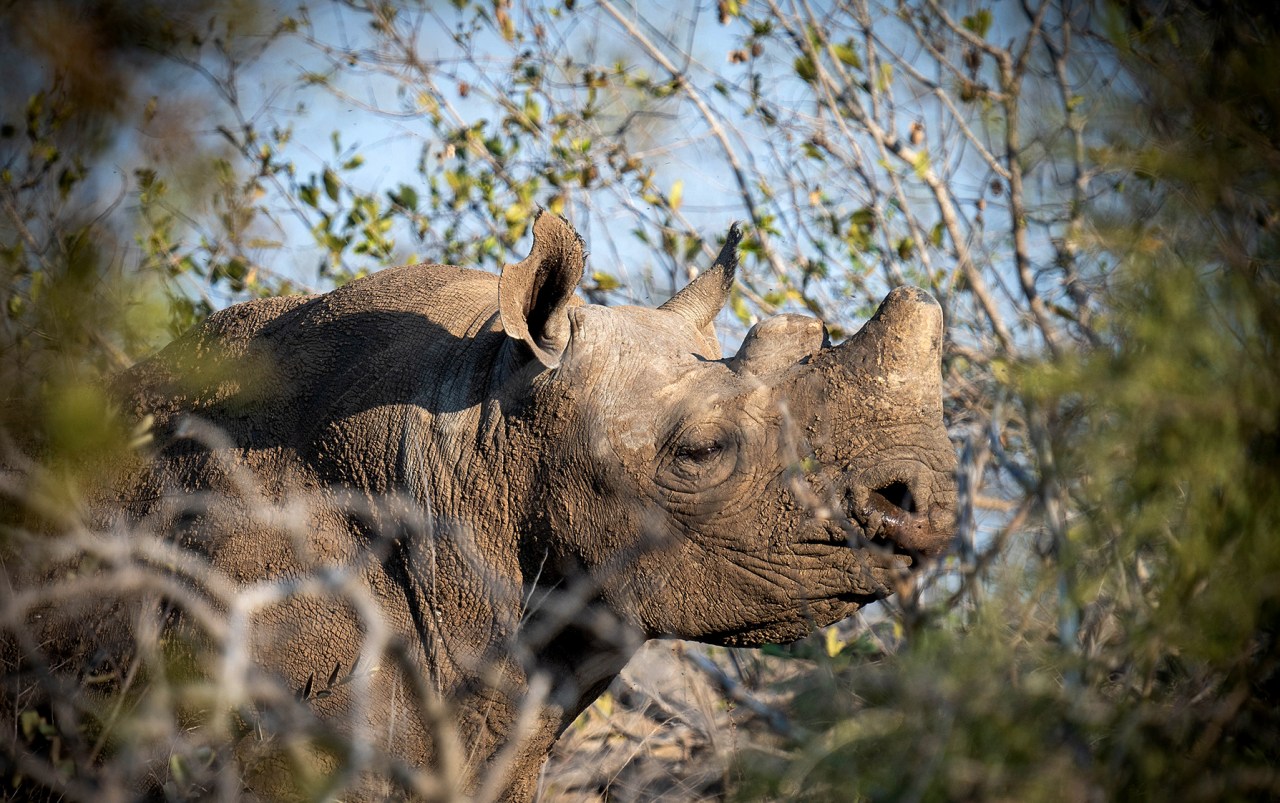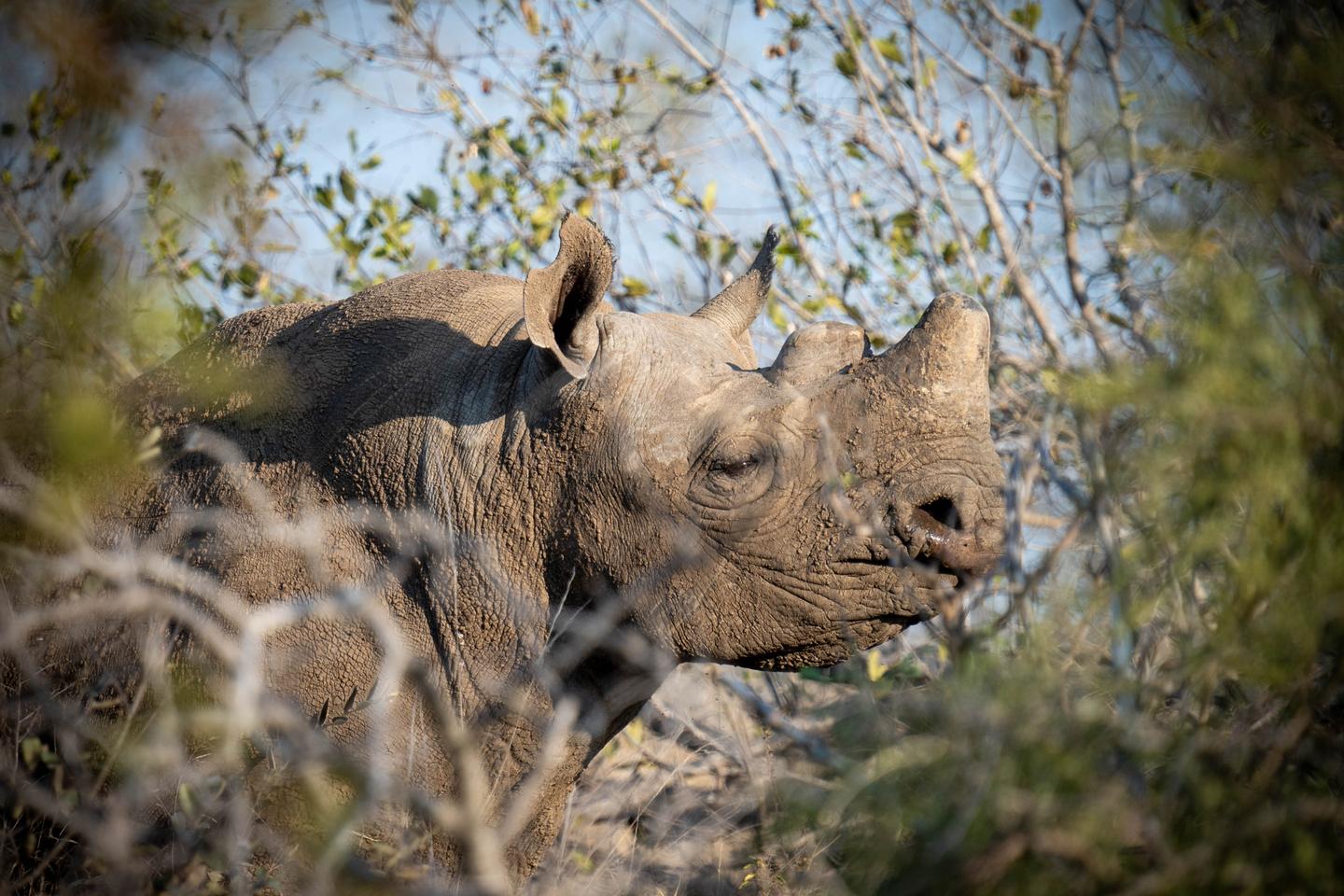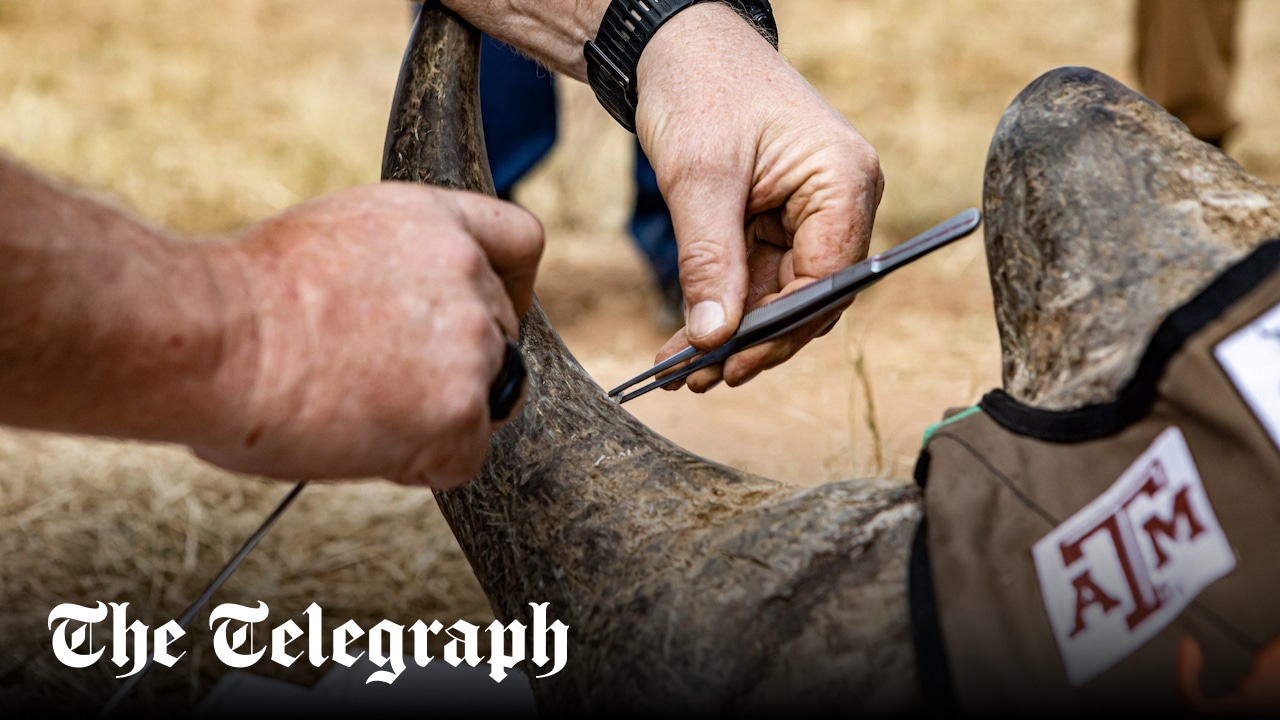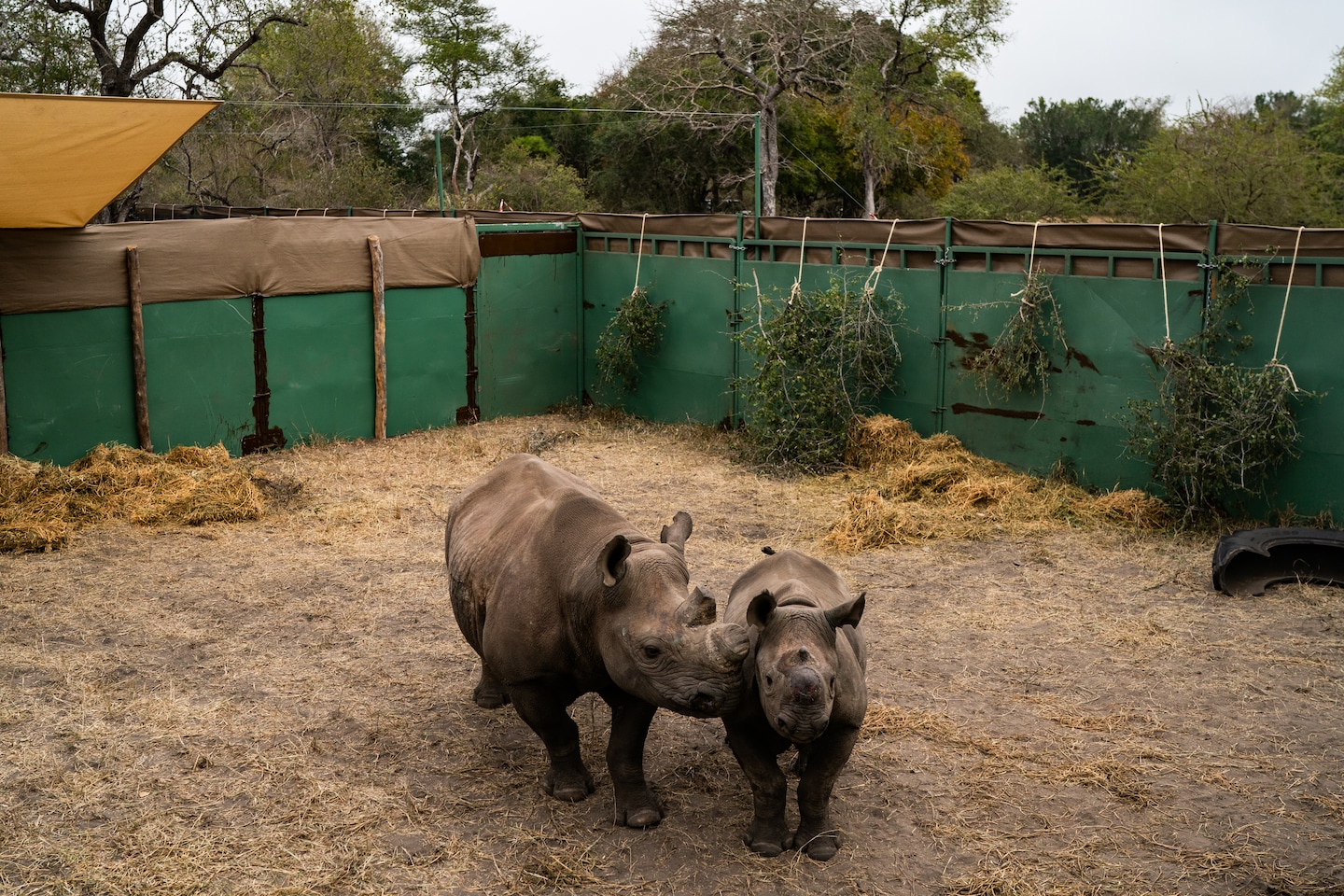
Across South Africa, removing the object of poachers’ desire reduced rhino deaths by 78 percent, while it raised the question: What is a rhino without its horns?
Conservationists are increasingly turning to a method of protecting the world’s diminished population of rhinoceroses: removing their horns before poachers can get their hands on them.
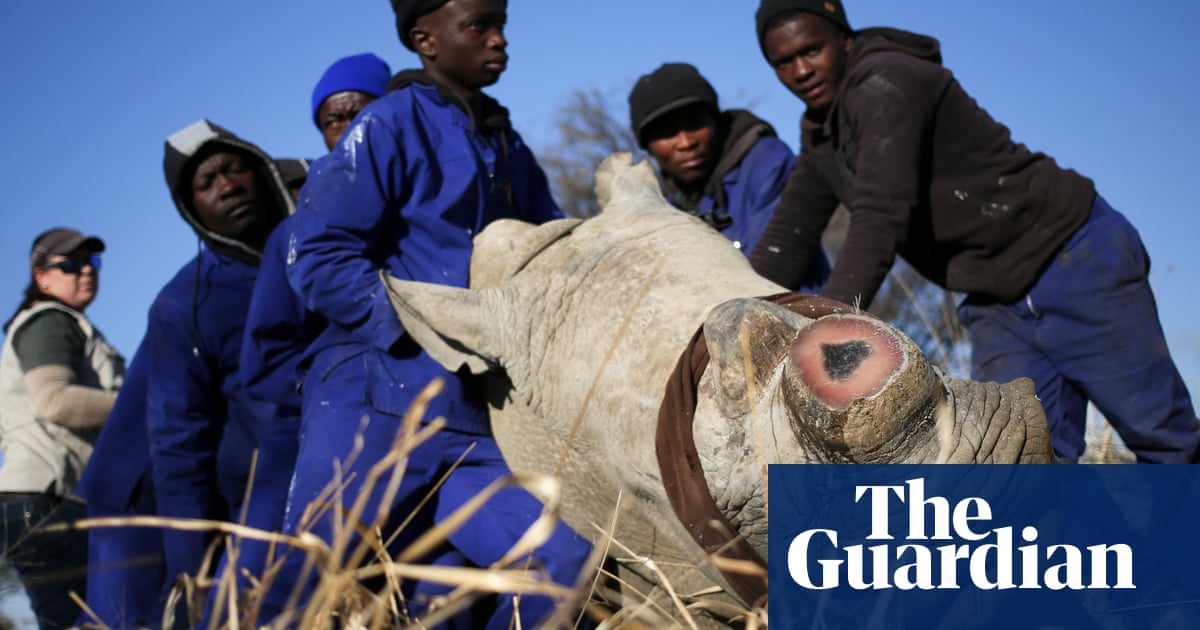
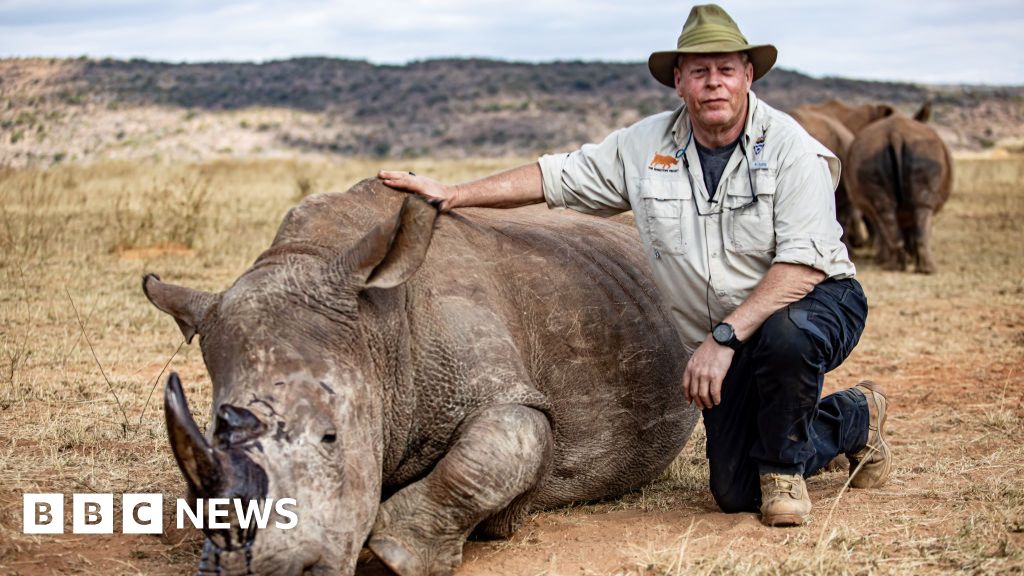
A study published Thursday in the journal Science found that dehorning — a conservation practice that involves sedating the often multi-ton animals, covering their eyes and ears, and trimming their horns, which do not have nerves and grow back in a few years — reduced poaching by 78 percent over a seven-year period in eight reserves across 11 studied in South Africa, home to most of Africa’s rhinos.
What readers are saying