The author’s conceptual agility is on display in these short stories surveying the trauma of conflict and the challenges of survival
T
here are several wars, not all of them military ones, in these deftly turned stories from Booker winner Graham Swift. With characteristic exactness and compassion, Swift considers the cost of human conflict in all its forms – and the challenge, for those who manage to stay alive, of retrieving the past.
In The Next Best Thing former Leutnant Büchner, gatekeeping civic records in postwar Germany in 1959, fields a British serviceman’s attempts to trace the fate of his German Jewish relatives during the Holocaust. Denial and guilt vie chillingly in a tale about the agony of looking back when there are only “pathetic little scraps of paper” to be found. “What did they expect, after all, what did they really hope for,” Büchner wonders, “these needy and haunted ones who still, after 15 years, kept coming forward … To be given back the actual ashes, the actual dust, the actual bones?”
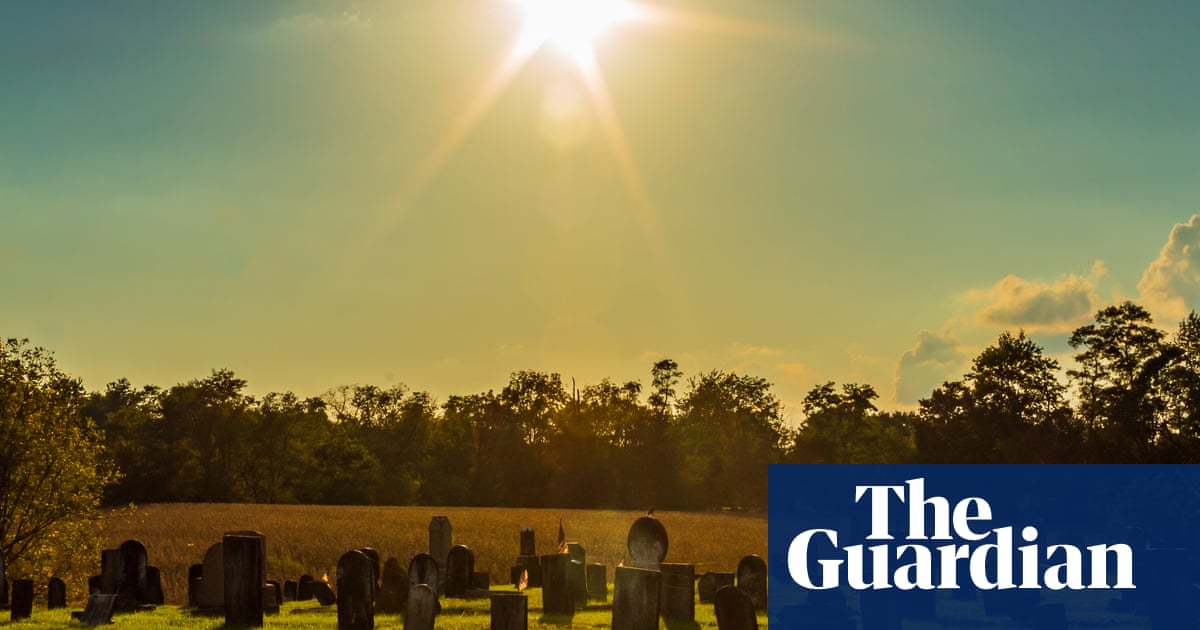
In Blushes the “ghost world” we’re shown is the suddenly empty one created by the Covid pandemic, with its unpeopled streets and rising death toll. Here the war being fought is the war against disease. Hinges, meanwhile, takes us into the thoughts of a middle-aged woman during her father’s funeral. As the coffin is brought to the cemetery she thinks back to a day when, as a girl, she waited with him for a carpenter to arrive and fix their creaking front door. The door, he’d explained, was 90 years old. Swift’s conceptual agility is on dazzling display here: