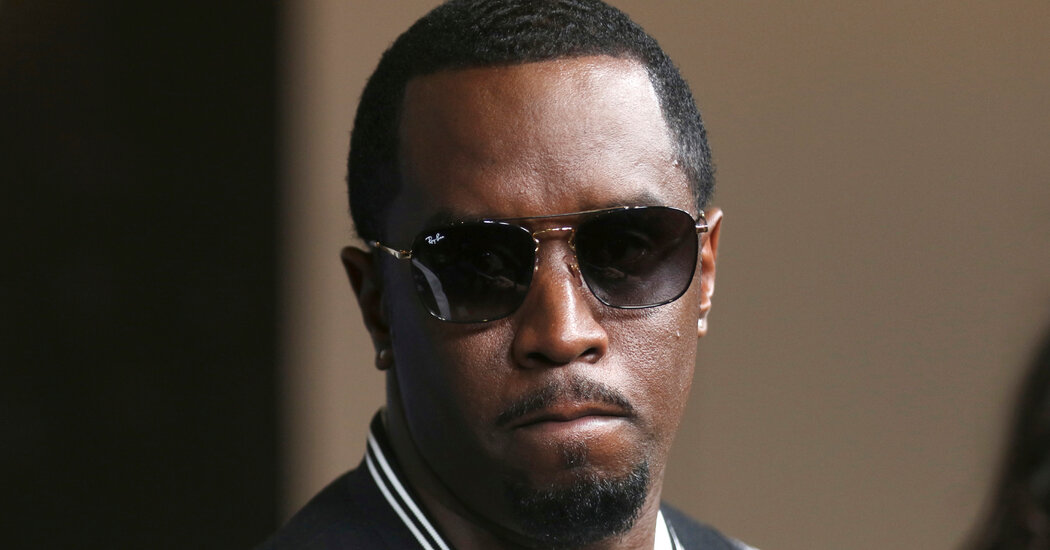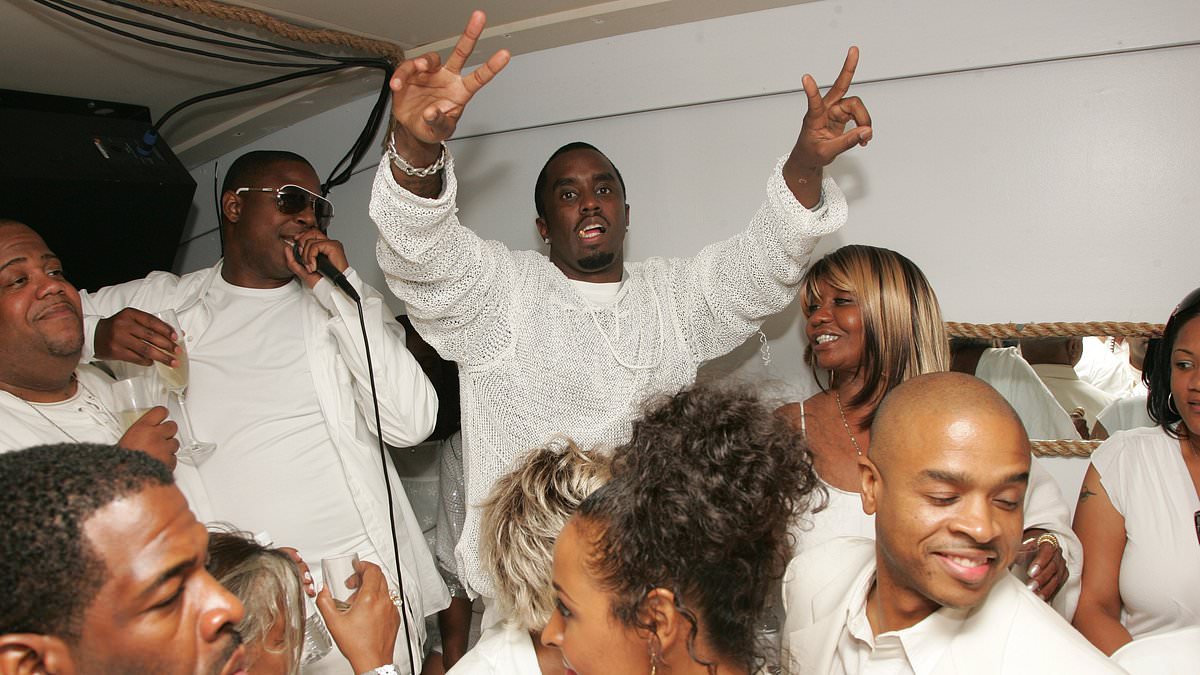
“Ugh, P. Diddy is such a creep,” my 11-year-old daughter said one evening as we sat down to dinner as a family.
My heart sank. Federal authorities had just raided his house, and the items they found suggested activities I hoped went over my daughter’s head.
“Oh, what have you heard about that?” I asked, trying not to reveal more than she already knew — likely from social media or her friends.
Over the past five years of global crises, I’ve learned to approach her exposure to mature topics with curiosity, followed by an age-appropriate explanation and invitation to ask questions.
Today, her access to the news through a range of voices, credible or not, researched or hot takes, abounds across social media. In 2022, “Nearly half of U.S. teens say they are online ‘almost constantly,’ a significant jump from 24% in 2015,” the Pew Research Center reported. And yet, social media companies are reversing content moderation practices aimed at protecting teens and young adults, making it even more difficult to know what she is seeing.