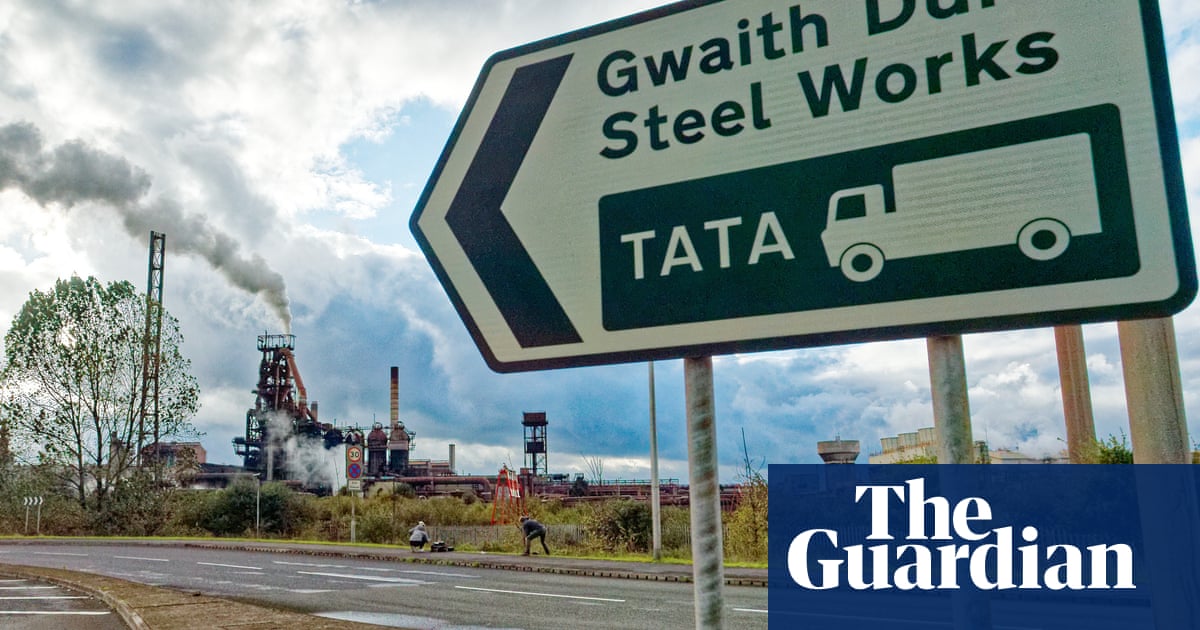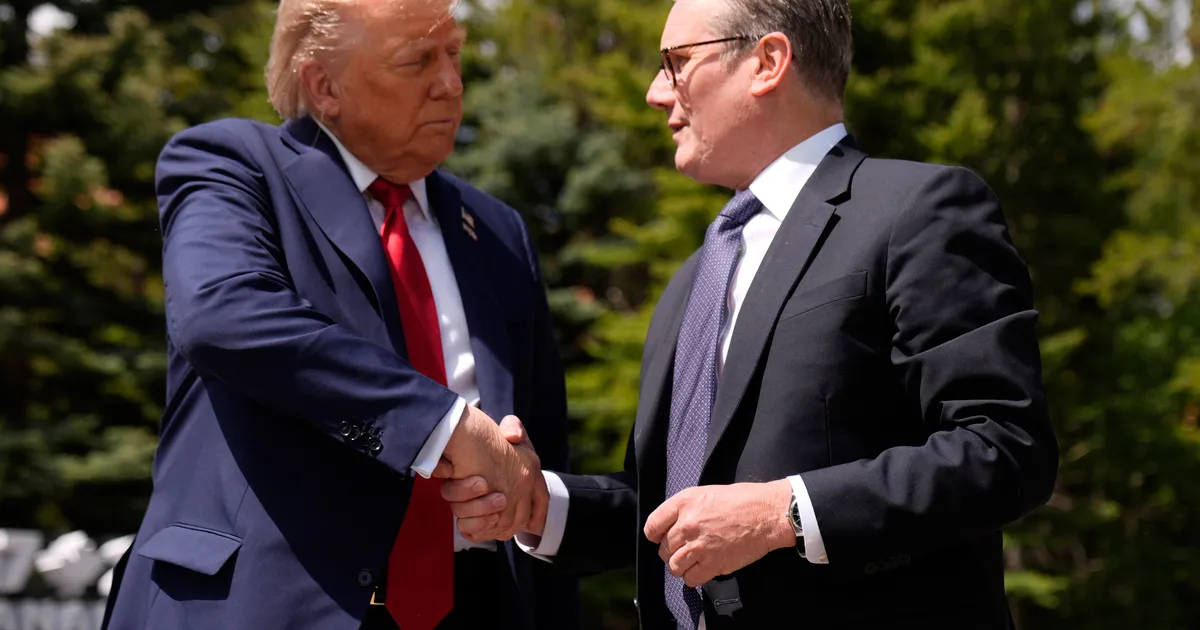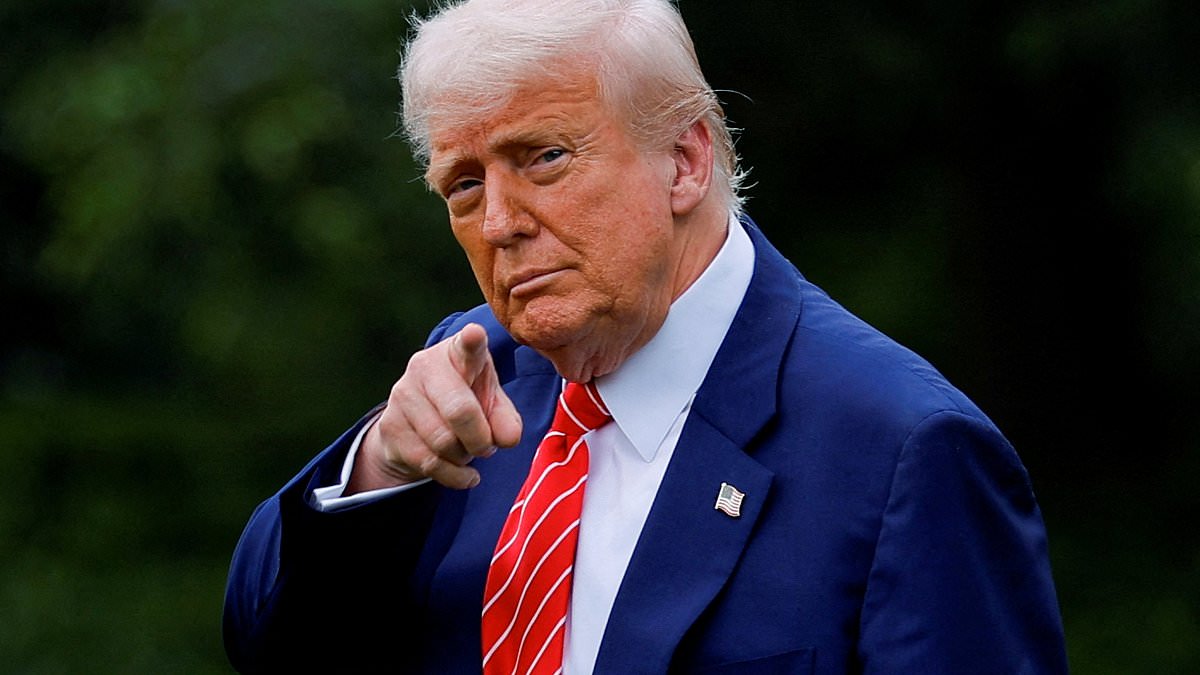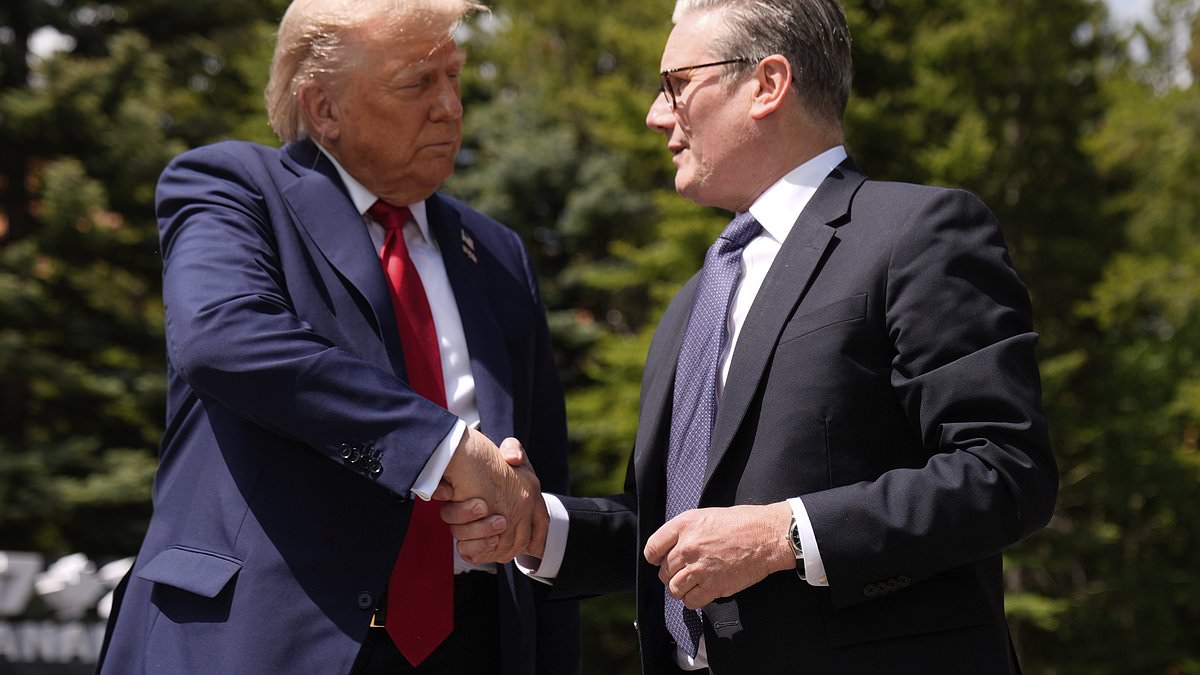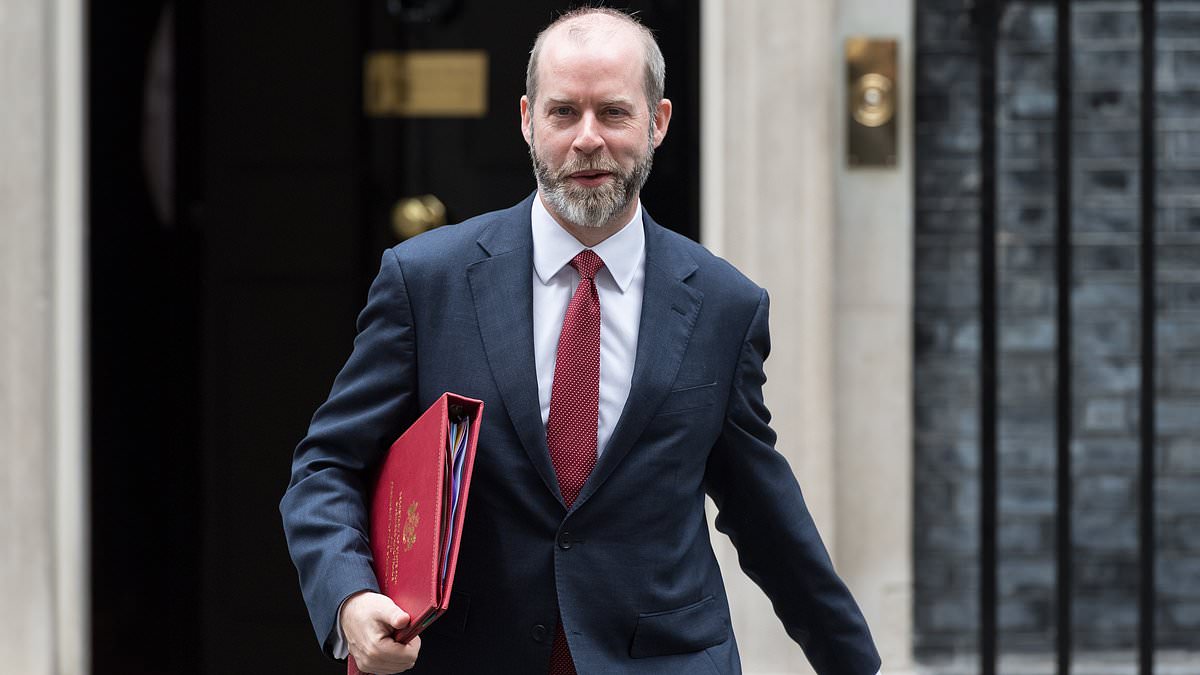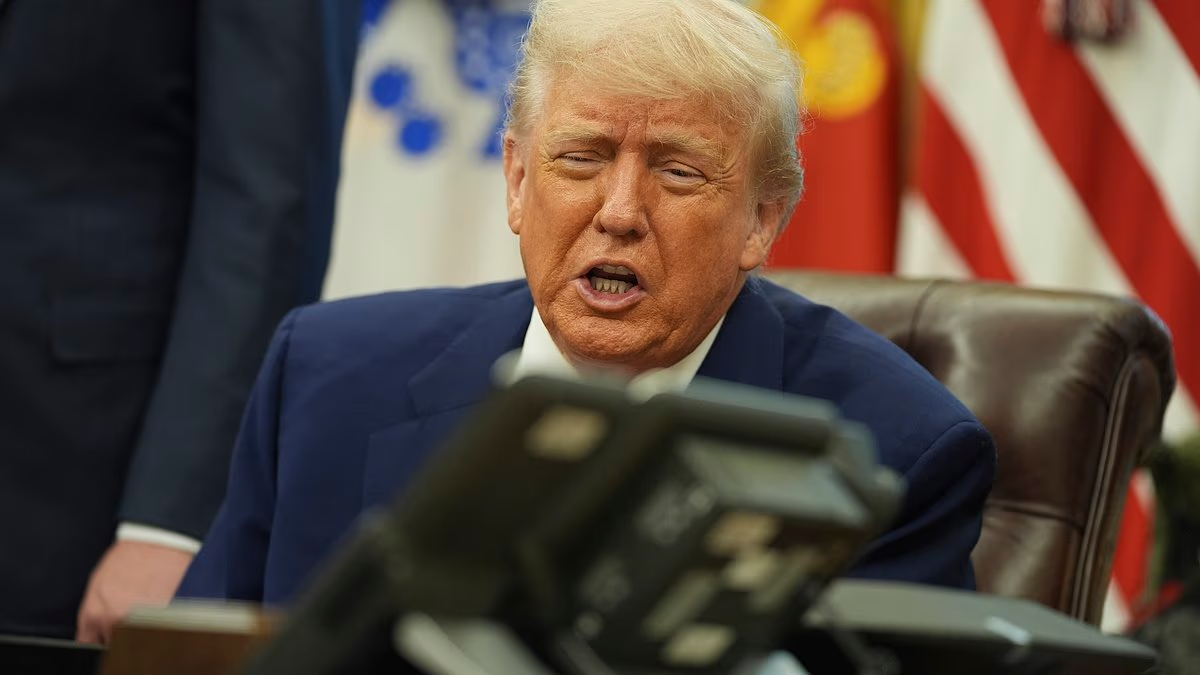
There are fears British steel could be hammered with Donald Trump's latest tariffs tomorrow after No10 admitted there is no timetable for a trade deal to be implemented.Sir Keir Starmer and Mr Trump hailed the broad terms of an agreement almost a month ago that would exempt the UK from some of the US president's punitive levies.But Trade Secretary Jonathan Reynolds will meet US officials in Paris this evening amid mounting anger that the terms still have not been finalised.There is uncertainty about the future of Mr Trump's tariffs after a US court last week ruled many of them unlawful, before an appeals court reinstated the levies pending a further hearing.Last week also saw Mr Trump announce that he would double tariffs on steel to 50 per cent, starting tomorrow.Tata Steel director Russell Codling told MPs this afternoon it was extraordinarily difficult’ to plan at a time when there was so much uncertainty.‘The 25 per cent tariff as it was applied earlier in the year was a big shock to us … then the shock over the weekend of seeing 50 per cent applied was really quite devastating to be able to plan where do we go next, what is the future for our business, the future for our customers,’ he told MPs on the Business and Trade Committee.‘We have longstanding arrangements with our customers in the US, there are not customers we just obtain on a spot basis – they rely on us for their business.’Asked if the deal that Sir Keir agreed with Trump afforded them any protection, he replied: ‘Not at this moment, no. Sir Keir Starmer and Mr Trump announced the broad terms of an agreement almost a month ago that would excise the UK from some of the US president's punitive levies on steel and cars while increasing market access for other goods. The Prime Minister hailed the announcement as a major achievement, saying the UK was the first nation to reach such an agreement with Mr Trump.‘I’m very grateful for the work the government has been putting in to this, getting to a point that we can see a pathway towards an arrangement, a much more solid arrangement for the future…‘If we can get this deal enacted as quickly as possible, my ask is please can the government act as quickly as possible on this, it will get stability for us, stability for our customers in the US and ultimately it will be beneficial to both the US and the UK economy as a result.'Earlier the PM's official spokesman merely said it was 'up to the United States to make their own policy announcements'.'The Business Secretary will be attending a meeting of trade ministers in Paris today and is expected to meet with the US trade representative Jamieson Greer to discuss implementation of the agreement that we reached with the United States,' he told reporters.'You will remember that that agreement is committed to removing tariffs on steel and aluminium to save jobs and help the UK industry. Asked if the deal that Sir Keir agreed with Trump afforded them any protection, Tata Steel director Russell Codling told MPs: ‘Not at this moment, no.''That would mean that once that deal has been implemented, the steel industry will not pay tariffs for the majority of steel products that they're exporting to the US.'Challenged if it was 'embarrassing' that steelmakers could face a worse situation despite the deal being heralded last month, the spokesman said: 'I'm not going to get ahead of announcements for the United States.'But what you've seen so far is the US and the UK agree a landmark deal across sectors to protect British industries – cars, steel, aluminium – and you've seen the welcoming statements the industries have made in support of the agreement.'When it comes to implementation of the agreement, that work is ongoing.'Andrew Griffith, the Conservative shadow business secretary, said: 'Labour told the British public we had a deal with the US – but one month on there is no deal in sight, meaning British businesses and workers continue to suffer because of Labour's failed negotiations.'Mr Reynolds is expected to discuss implementing the deal during talks with US trade representative Jamieson Greer in Paris, where he is attending a meeting of the OECD. Mr Reynolds's visit to Paris is part of a three-day trip, during which he is expected to meet other trade ministers and attend a G7 ministerial meeting before heading to Brussels for meetings with his EU counterparts.During the trip, the Trade Secretary will argue that the UK is a dependable partner in an era of increasing global volatility.He said: 'Our deals with the US, EU and India are proof that the UK is the most connected country in the world to do business. Along with our modern industrial strategy, our Plan for Change is making the UK a safe, stable bet in uncertain times.'We recognise our relationship with G7 allies and EU counterparts must continue to evolve and deliver a better trading environment for our businesses and exporters.'That's why we want to wipe away costly, business-blocking barriers and open up opportunities to grow our economy, create jobs and put more money in people's pockets.'Almost four weeks on, Trade Secretary Jonathan Reynolds will meet US officials in Paris today to hammer out a timeline for change to actually happen. Andrew Griffith, the Conservative shadow business secretary, said: 'Labour told the British public we had a deal with the US – but one month on there is no deal in sight, meaning British businesses and workers continue to suffer because of Labour's failed negotiations.'Meanwhile, the legality of the approach used for imposing the most sweeping of Trump's tariffs has been cast into doubt.Last Wednesday, the Court of International Trade ruled that Trump had overstepped his authority with tariffs devised under the International Emergency Economic Powers Act, including the 'Liberation Day' levies that his the UK.Less than 24 hours later, an appeals court temporarily paused that decision. The tariffs at the center of the legal dispute are expected to remain in effect as the case plays out.
Do we have a US trade deal? Biz Sec meets Trump officials over tariffs
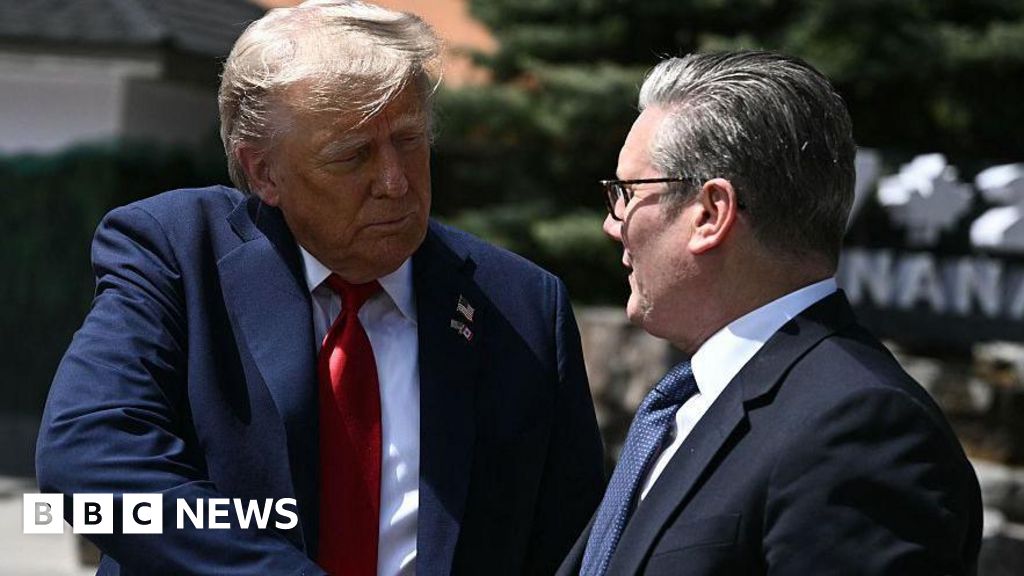
Keir Starmer and Donald Trump announced the broad terms of an agreement almost a month ago that would exempt the UK from some of the US president's punitive levies on steel and cars.
1,016 words~5 min read