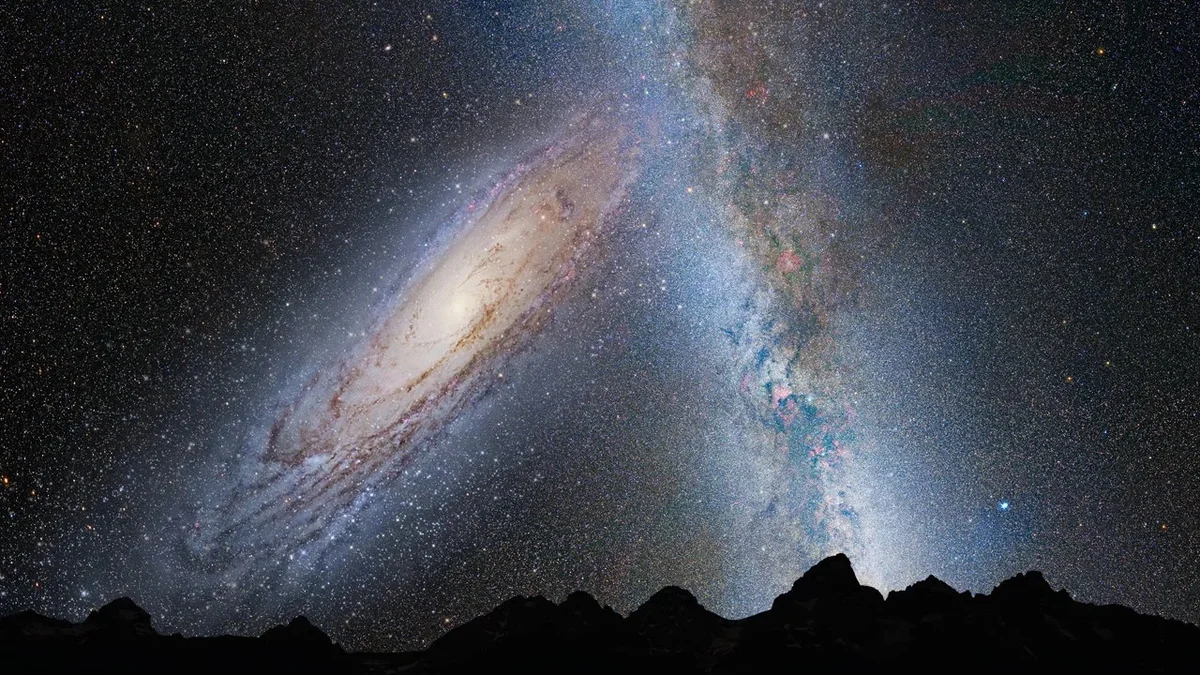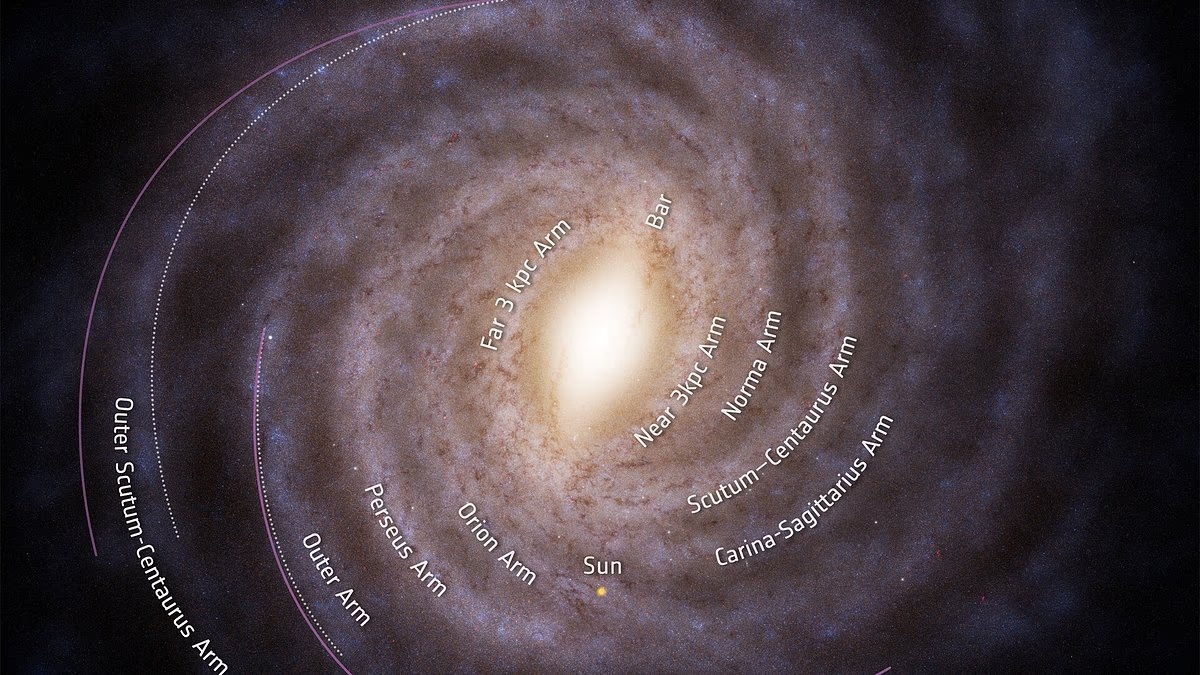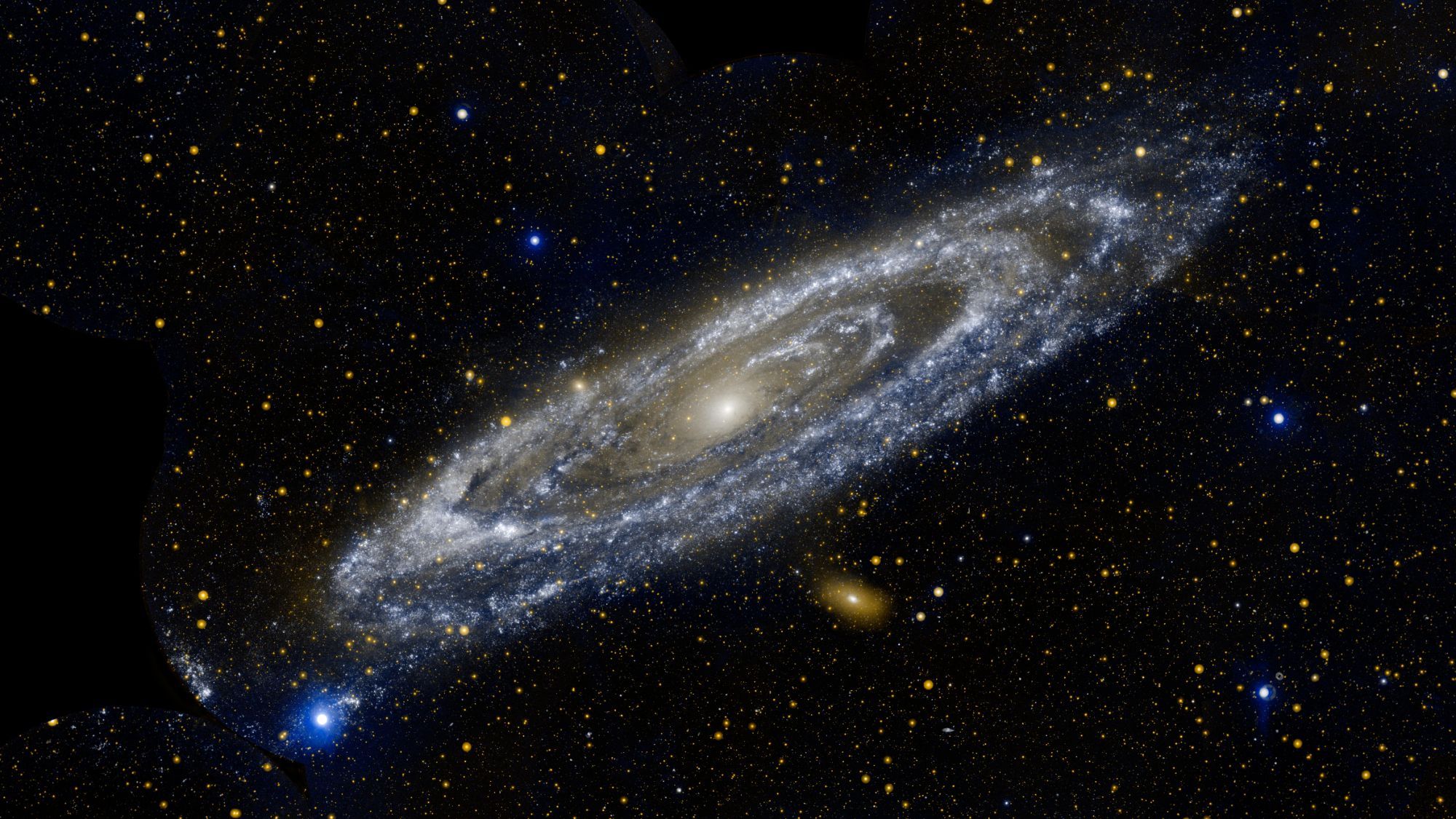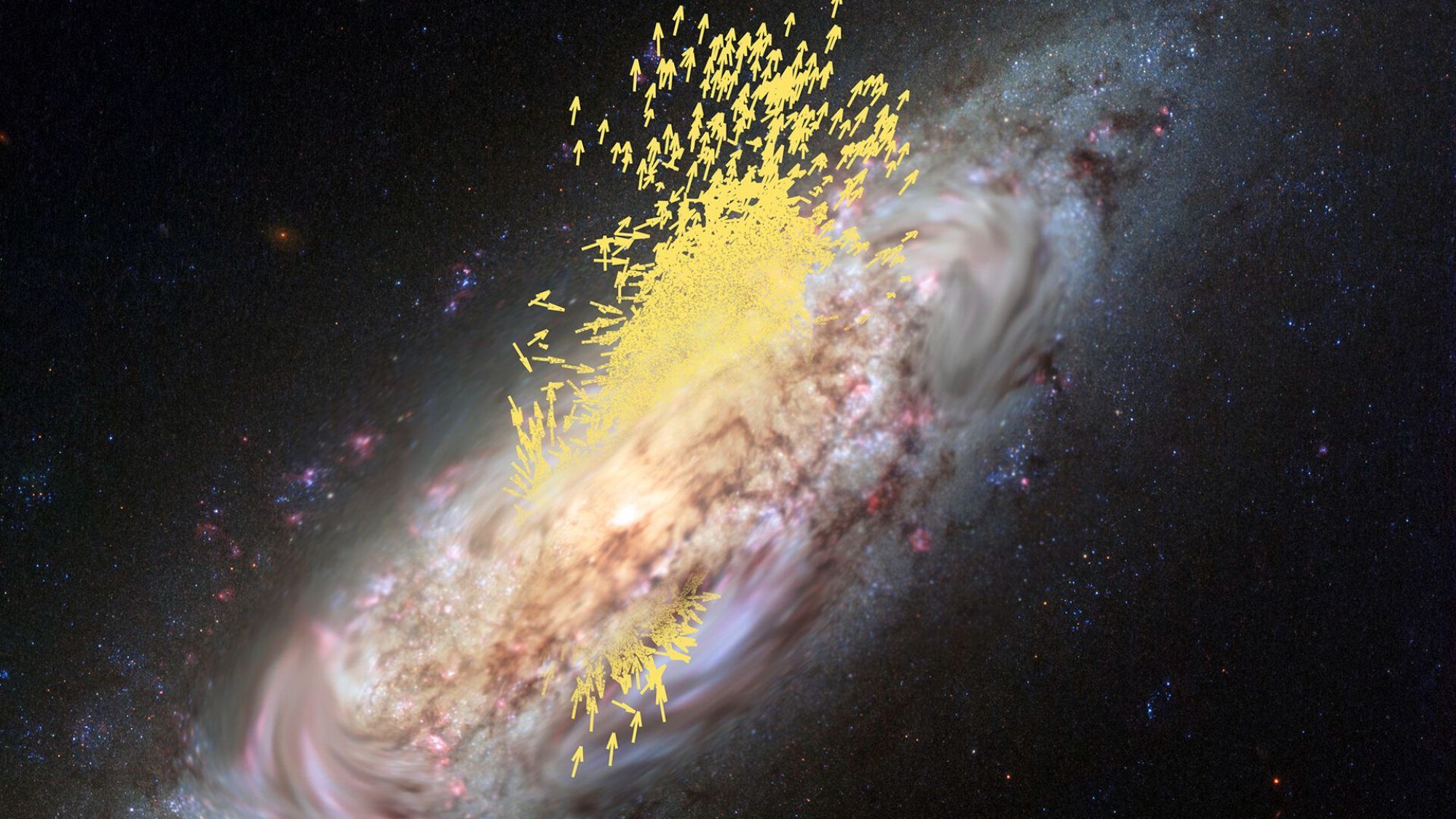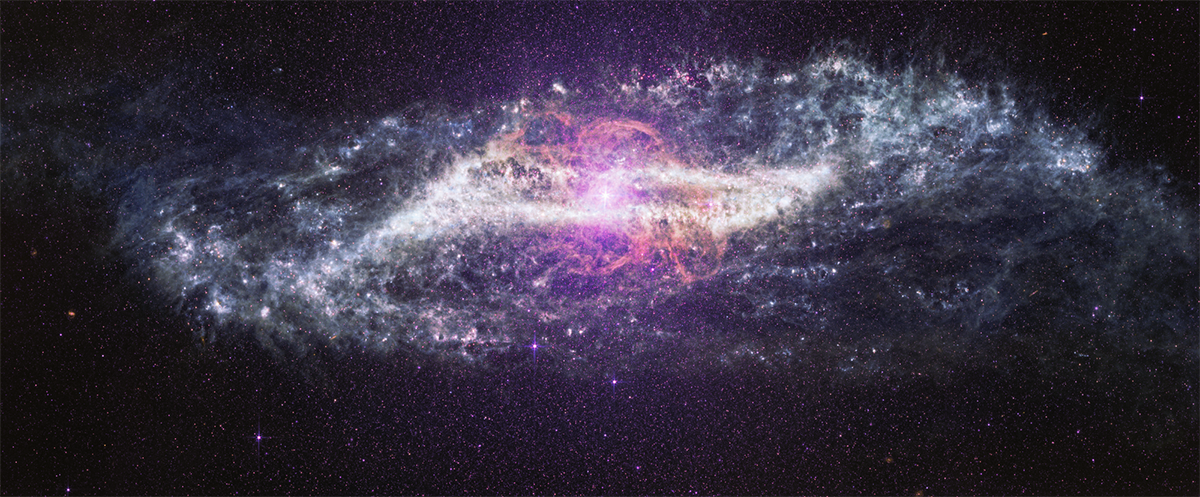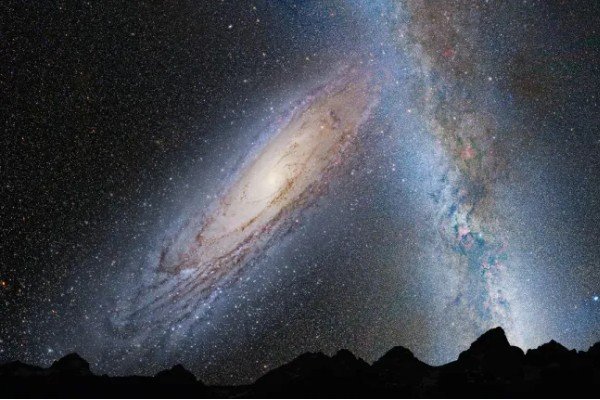
A new study found that there was only a 2% probability of the Milky Way and Andromeda galaxies colliding. Photo by NASA ESA Z. Levay and R. van der Marel, STScI T. Hallas and A. Mellinger
May 30 (UPI) -- A new European study out Monday throws into question conventional wisdom that the Milky Way and Andromeda galaxies are on a collision course that will take out our galaxy and the solar system with it.
Published in the journal Nature Astronomy, the research by scientists at the universities of Helsinki, Durham and Toulouse concluded that while the two galaxies are hurtling toward each other at more than 223,600 mph there was only a 2% probability of them colliding in the next 5 billion years.
The finding from running 100,000 simulations based on the latest observational data, including the impact from the Milky Way's Large Magellanic Cloud and controlling for potential misreads, contradicts the previously held belief that the Milky Way has 5 billion years maximum left, Durham University said in a news release.
The Milky Way and Andromeda experience at least one close encounter, passing each other by at a distance of 500,00 light years, in a little more than half of the simulations, before they lose so much orbital momentum that they collide.