To revisit this article, visit My Profile, then View saved stories.
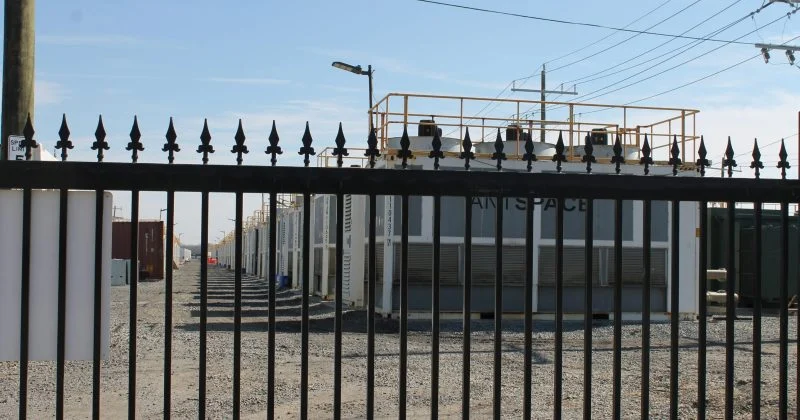
IF YOU DRIVE outside the city of Campton, population less than 400, the low industrial noise of crypto mining rises from the trees. Step closer, and the source comes into view: squat metal buildings that look like shipping containers arrayed in a semicircle, thrumming with fans and processors. There’s chain-link fencing, security cameras, and two guards sitting in pickup trucks just beyond the wire.
There are steel shipping containers like this all over these hills, right where the old coal mines once stood. And inside, specialized computers race to solve complex math problems—competing to verify bitcoin transactions and earn slivers of digital currency as a reward.
For a brief moment, in 2021, it felt like the region had found its next boom—and it had Bitcoin written all over it. At its peak, Kentucky accounted for some 20 percent of the collective computing power dedicated to proof-of-work cryptocurrency mining in the US.
But booms, here, have a history. And so do busts. Local officials say it is hard to pin down the exact number of crypto mines still active in eastern Kentucky because state regulations are light and there’s a general lack of transparency in the industry. But what is clear, locals say, is that the boom has begun to recede.