FROM ANCIENT REMEDIES to your Amazon cart, mushroom supplements have traveled a circuitous road. They nourish the body, enhance the mind, and occasionally poison the unlucky. Their biochemical adaptability has intrigued Eastern cultures for centuries. The West has been slow to embrace mushrooms until the 21st century, propelled in part by endorsements from celebrities like Gisele Bündchen and Gwen Stefani.
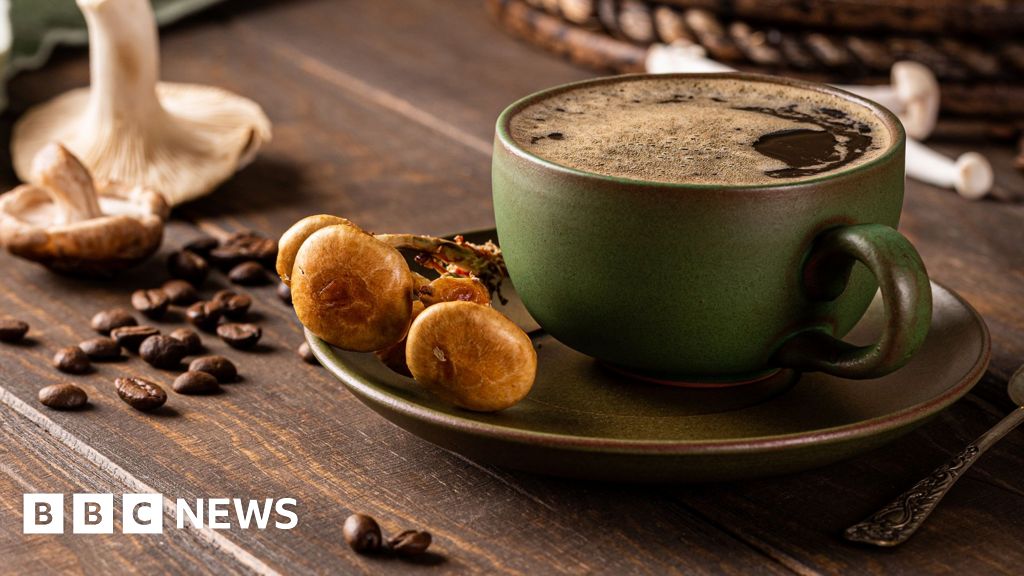
Today, in a zeitgeist fixated on biohacking and self-optimization, mushrooms are now tools for functional wellness. Gone are the days of foraging and sautéing. Instead, we embrace microdosing. We’re enjoying lion’s mane in our adaptogenic lattes and mixing cordyceps into our post-workout smoothies, aiming to enhance our brains and upgrade our immune systems. Researchers are also exploring their potential applications, ranging from cancer therapies to supportive treatments for COVID-19.
Power up with unlimited access to WIRED. Get best-in-class reporting that's too important to ignore for just $2.50 $1 per month for 1 year. Includes unlimited digital access and exclusive subscriber-only content. Subscribe Today.
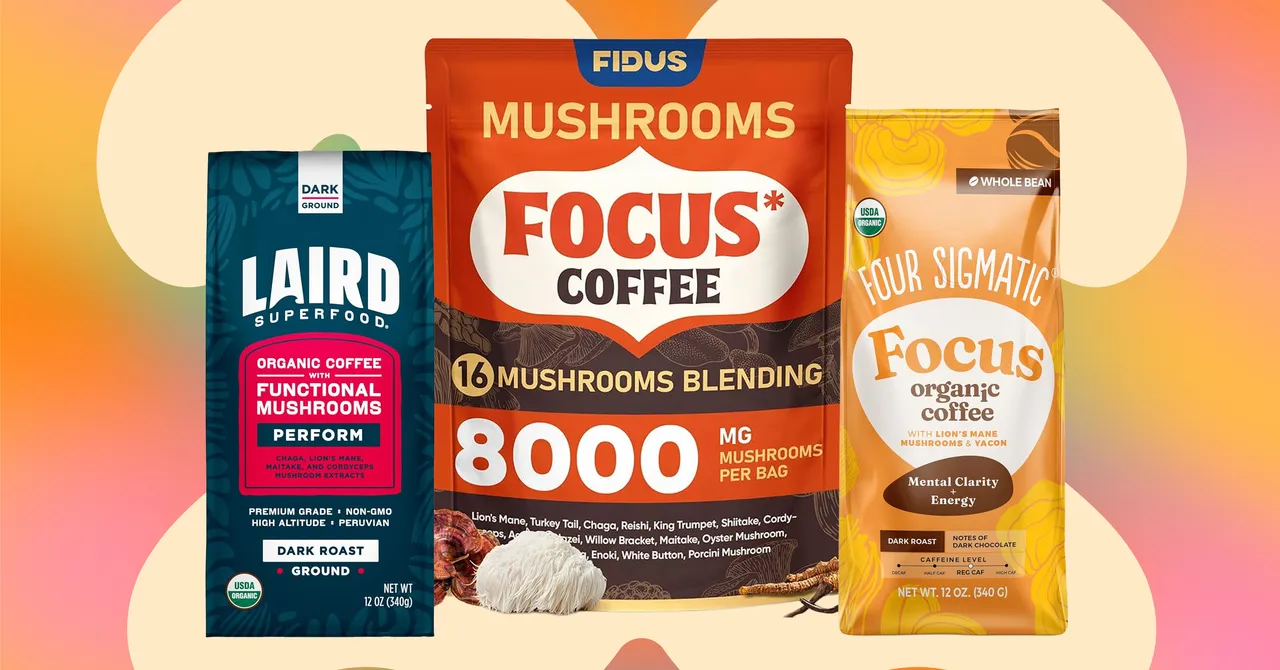
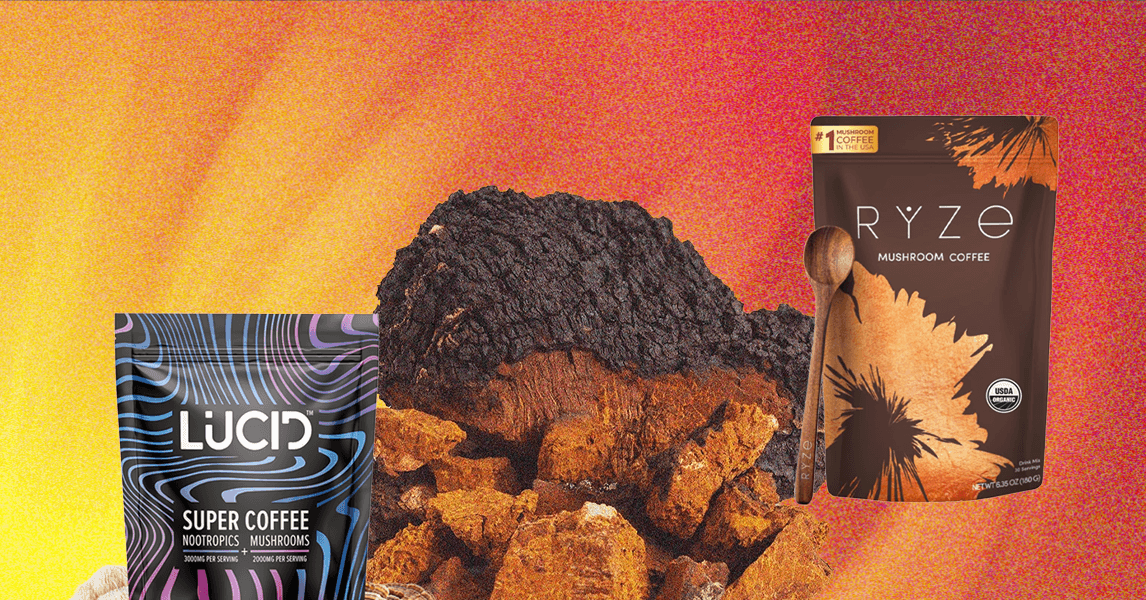
Functional mushrooms, often referred to as medicinal or adaptogenic, offer more than just nutritional value. The excitement surrounding them isn’t due to recent studies; their advantages have been recognized for years. What has shifted is the way they are presented, allowing for simpler integration into contemporary lifestyles without the need for cooking. Brands like RYZE and PlantFusion have played a significant role in transforming these fungi from traditional remedies to nootropic supplements.