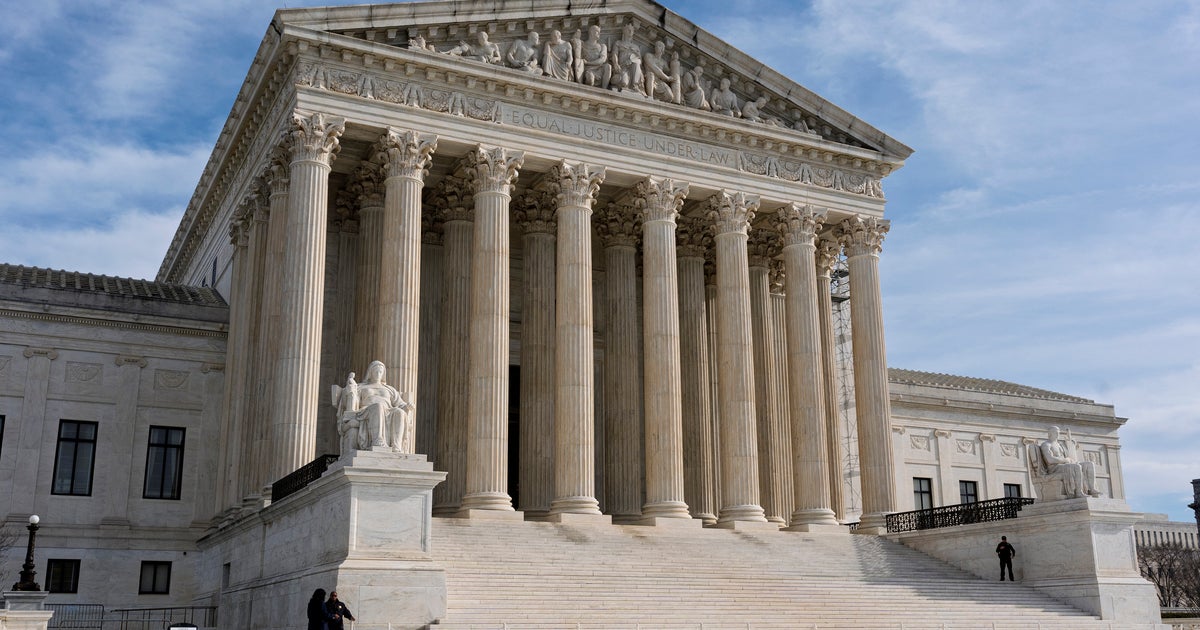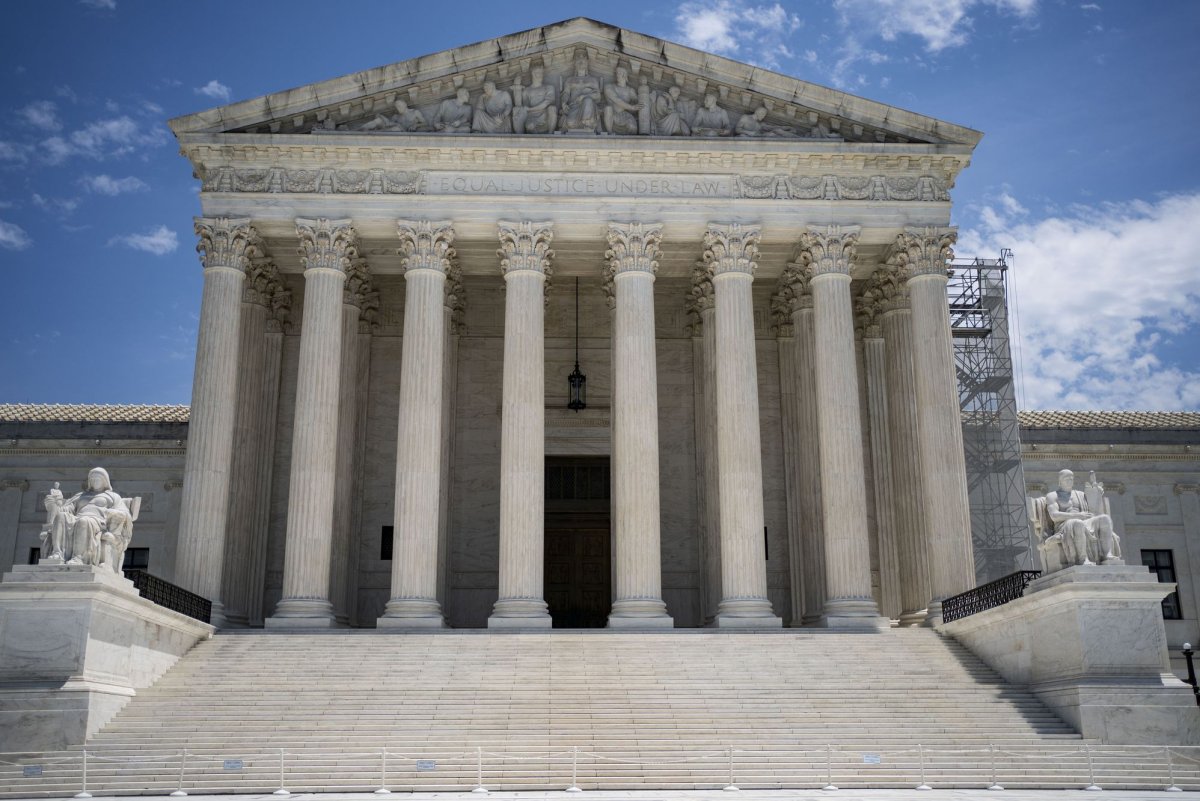
May 29 (UPI) -- The Supreme Court unanimously reversed a ruling from a lower court Thursday that had stopped a proposed Utah railroad line based on possible environmental effects for which it wouldn't be directly responsible.
"We reverse," wrote Justice Brett M. Kavanaugh in the case, in regard to a previous decision by the U.S. Court Of Appeals for D.C., which had halted a group of local Utah counties from the creation of a railroad to move oil in 2020.
The counties, aligned as the Seven County Infrastructure Coalition, had applied to the U. S. Surface Transportation Board to create an 88-mile rail line that would connect Utah's oil-rich Uinta Basin to the national freight rail network, in order to transport crude oil to refineries along the Gulf Coast.
Despite the preparation and presentation of an environmental impact statement, or EIS, as required by federal law via the National Environmental Policy Act, or NEPA, the project was derailed by a lawsuit. Eagle County, Colo., along with a contingent of environmental groups, sued on the basis that the coalition's EIS didn't properly analyze the potential impacts of increased oil drilling in the Uinta Basin and subsequent crude oil refinement.