ST. PAUL, Minn., May 28 (UPI) -- The suspected connection between lack of proper sleep and stroke got stronger Wednesday with the publication of a study associating brain tissue damage and impaired thinking with long in-bed time among post-stroke patients.
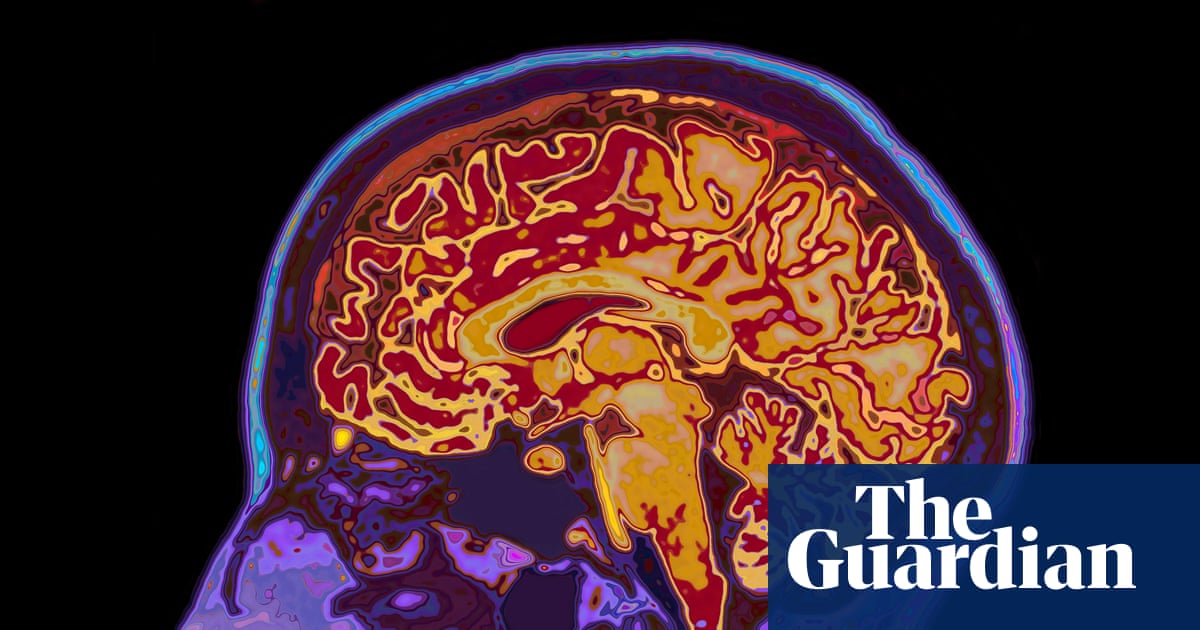
The study found that people who spent the most time in bed either sleeping or trying to sleep after suffering mild strokes or transient ischemic attacks were more likely to have areas of damage to the white matter and in their brains known as "hyperintensities," which are visible in magnetic resonance imaging or computed tomography scans.
Areas of hyperintensity in white matter are possible indicators of stress or damage to the brain's many small blood vessels, a condition known as cerebral small vessel disease, or SVD. They are associated with cognitive impairment, triple the risk of stroke and double the risk of dementia.
Stroke patients who spent the most time in bed also scored slightly lower in cognition tests of thinking and memory skills, according to researchers in Scotland and Hong Kong in a study published in the online version of the U.S. medical journal Neurology.
Related