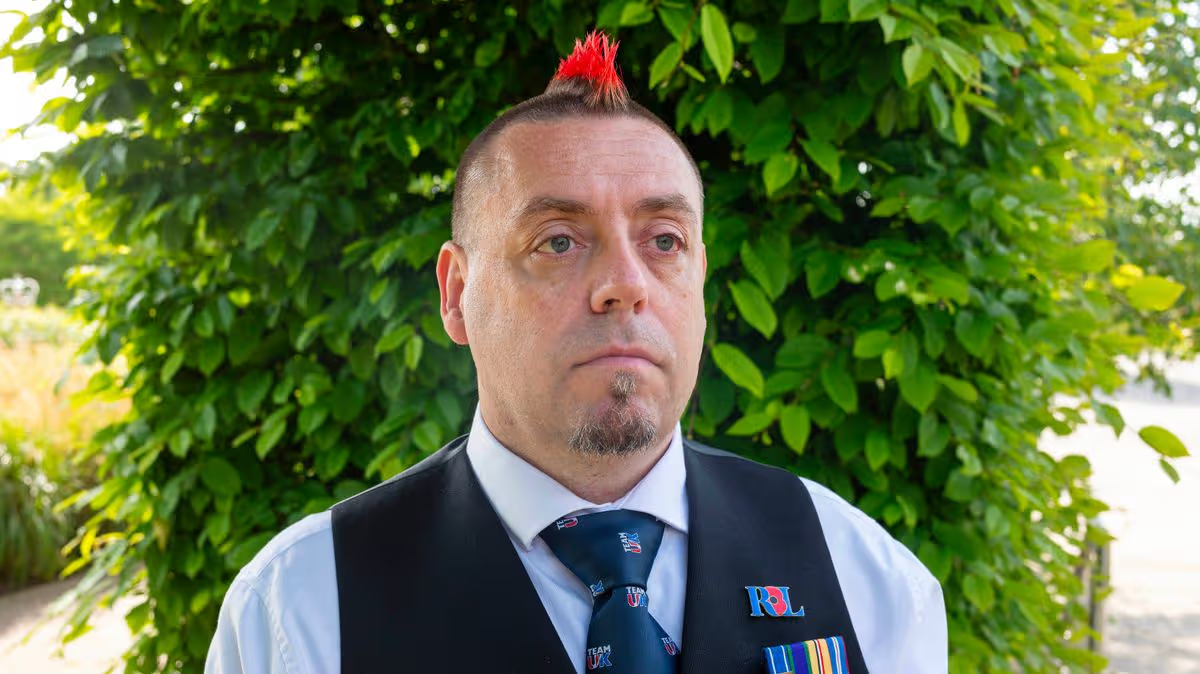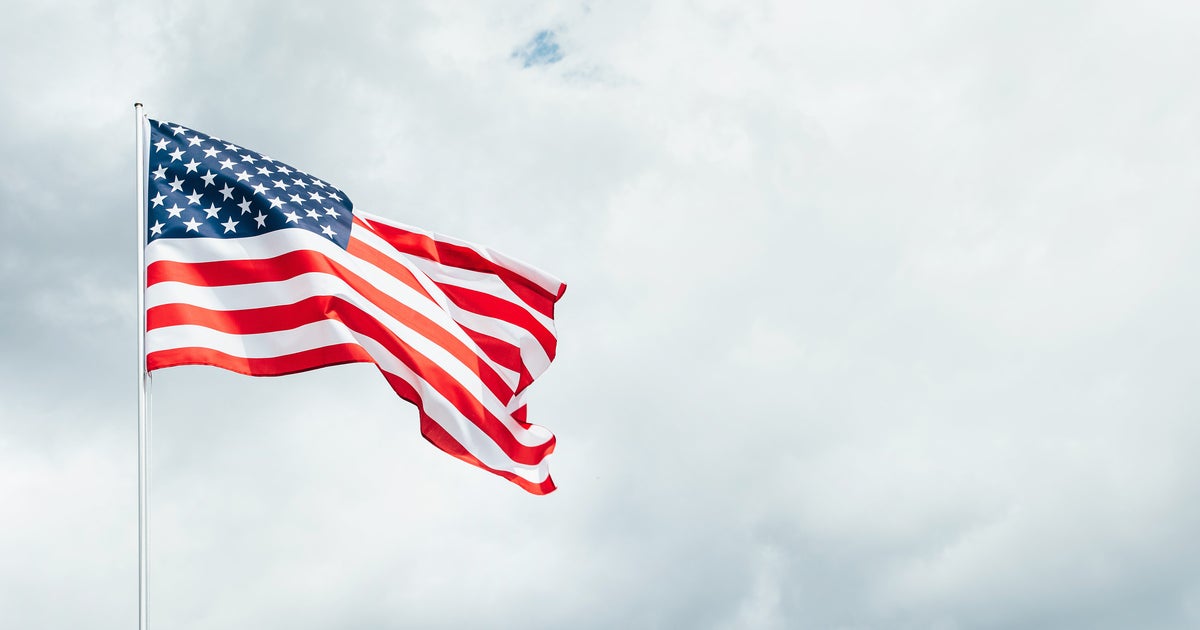
James shifts nervously from one foot to the other, sweat glistening on his forehead and his muscles tense. A smiling intern approaches with a flag pin intent on thanking him for his military service whether he likes it or not. That’s when he bolts for the door. I take off after him; there’s no way I’m letting him tear onto the highway with his nervous system flashing red. Visions of a high-speed collision flash in my mind as I jog through the parking lot trying to catch him.
Earlier that morning, I noticed James standing apart from the milling crowd gathered for a workshop on terminally ill veterans who have “combat-related psychological challenges” like post-traumatic stress disorder, moral injury and complicated bereavement. With his straight back and hair cut in the style of a Marine, James was a stark contrast to the business card-exchanging group of social workers and psychologists with whom I’d been chatting.
I had gone over and struck up a conversation. He’d told me he worked for a “street program” focused on helping veterans struggling with drugs, homelessness and issues like depression, suicidal thoughts and PTSD.
He’d recently applied to graduate schools with a vision of becoming a psychologist. “I want to be there for my Iraq War brothers and sisters,” he’d said. “We were all betrayed, every one of us. Moral injury and PTSD, that’s just the tip of the iceberg.”