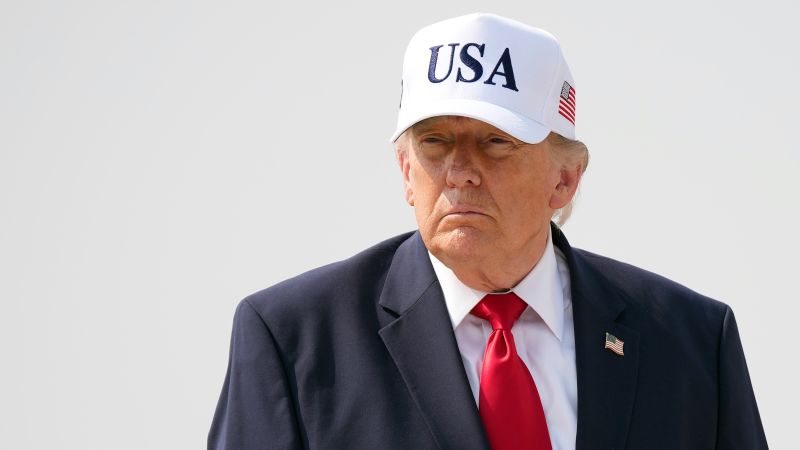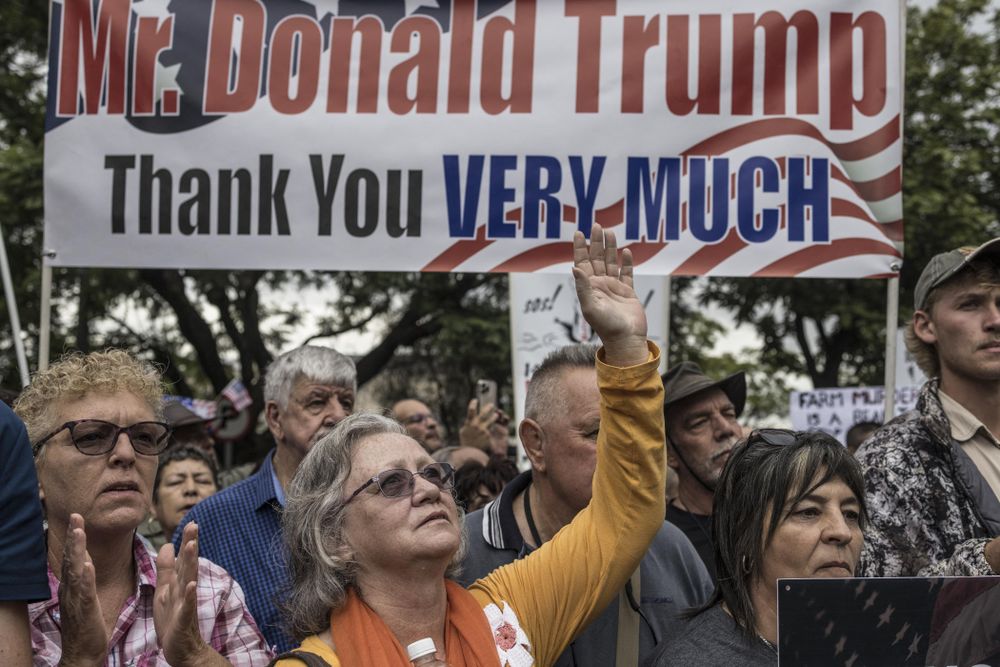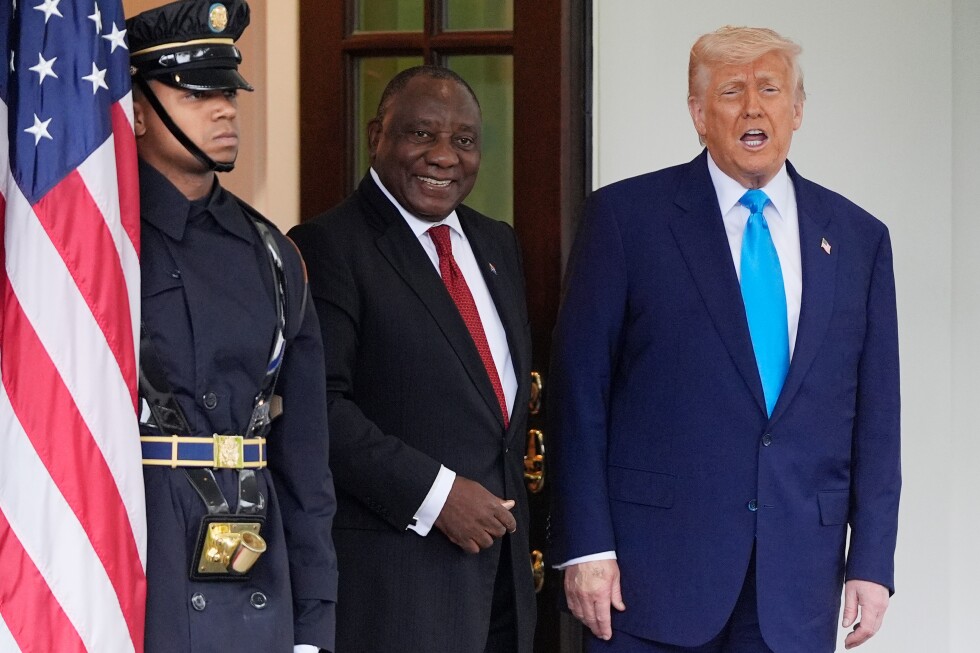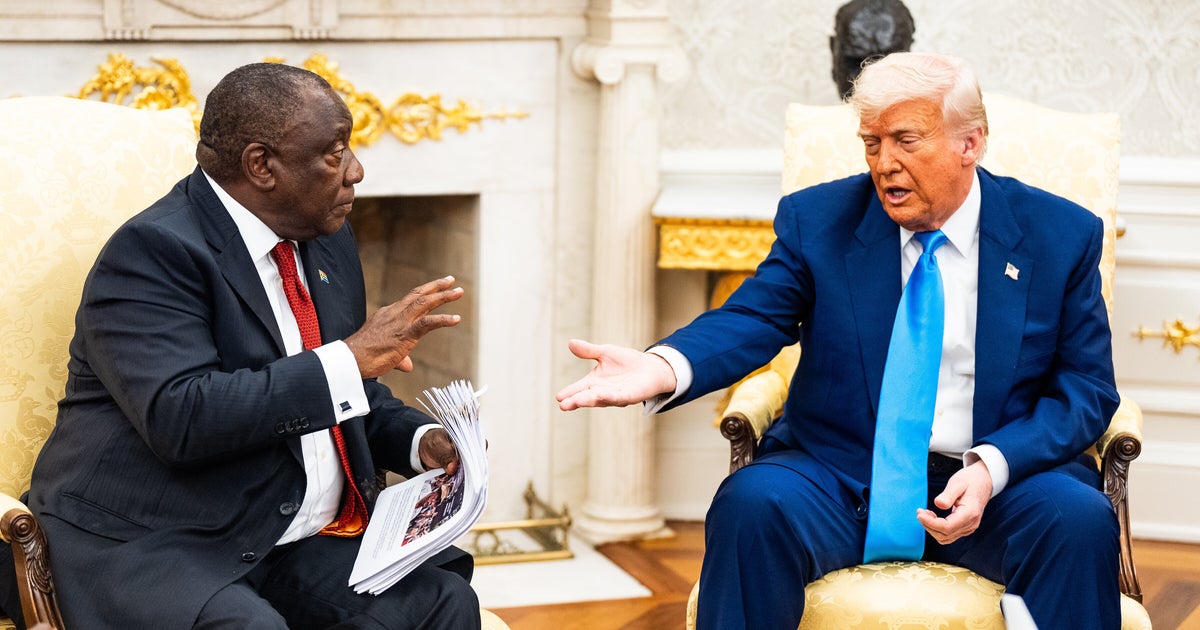
Even as President Donald Trump has attempted to block thousands of refugees from places like Afghanistan, Syria and Sudan from entering the U.S., he’s made a unique and pointed exception for one particular group: Afrikaners.
Last week, Trump welcomed 59 Afrikaners to the U.S. as refugees, alleging that they’d suffered racial persecution in their home country, a claim the South African government has vehemently denied. The group — one of two white minorities in South Africa — are descended primarily from Dutch colonists and are known for their role in establishing apartheid, a system of segregation that oppressed Black South Africans for decades.
Trump — and incoming Afrikaner refugees — say they’ve been targeted because of their race, and that they now face violence and government land seizures as a result. Experts and South African officials, meanwhile, counter that there’s scant evidence for such allegations, and that the group remains one of the wealthiest and most economically privileged in the entire country.
Trump’s admission of Afrikaners marks a sharp contrast with how refugees from other parts of the world have been treated: In January, the White House suspended refugee admissions indefinitely, arguing that the U.S. didn’t have the capacity to absorb more people. More recently, Trump’s secretary of state, Marco Rubio, has defended singling out Afrikaners by saying that the “US has the right to prioritize … who [it wants],” and that the administration is focused on admitting people who can be “assimilated easily.”