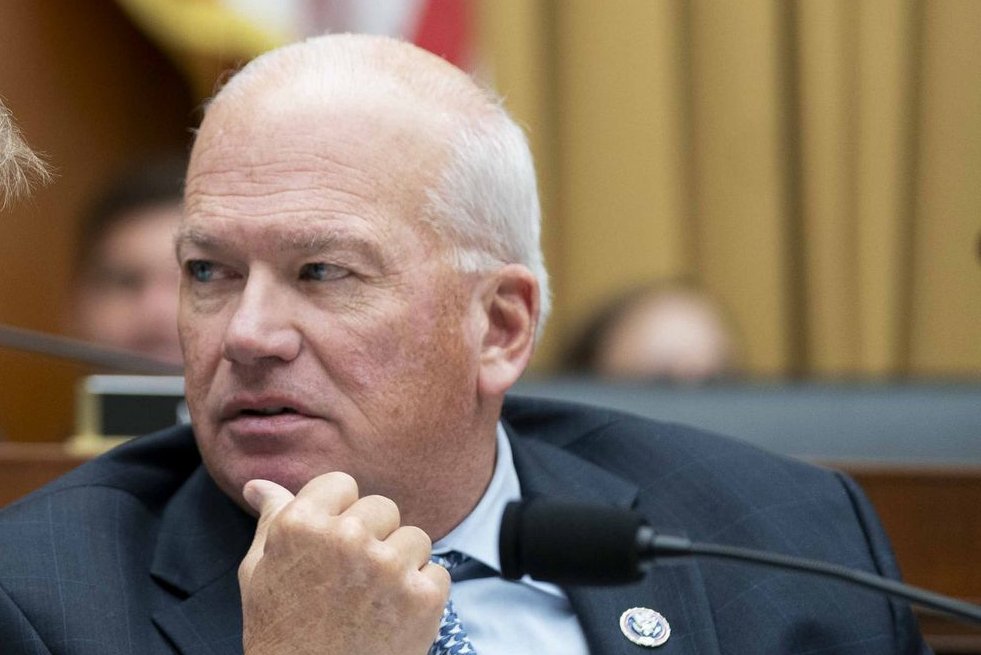
WASHINGTON, May 14 (UPI) -- Members of the House Judiciary Subcommittee on the Administrative State, Regulatory Reform and Antitrust debated Wednesday whether the program that matches new doctors with residency opportunities violated antitrust laws and should have its antitrust protections repealed.
Medical students in the United States are required to complete a residency program to work as licensed physicians. For the past 70 years, students in their final year of medical school have been assigned to these programs through the National Residency Matching Program or the "Match." The Match was instituted to replace a chaotic system of hospitals bidding on residents.
The Match uses an algorithm that takes into account the preferences of medical students who submit a ranked list of residency programs. It also considers the hospitals' own preferences for applicants.
Every year, on the third Friday of March, medical students open an envelope to learn their match, which likely determines where they will live for the next several years, how much money they will make and what specialty they are allowed to pursue.
Students are legally bound to their matched program with no room to negotiate salary, vacation time or working hours.