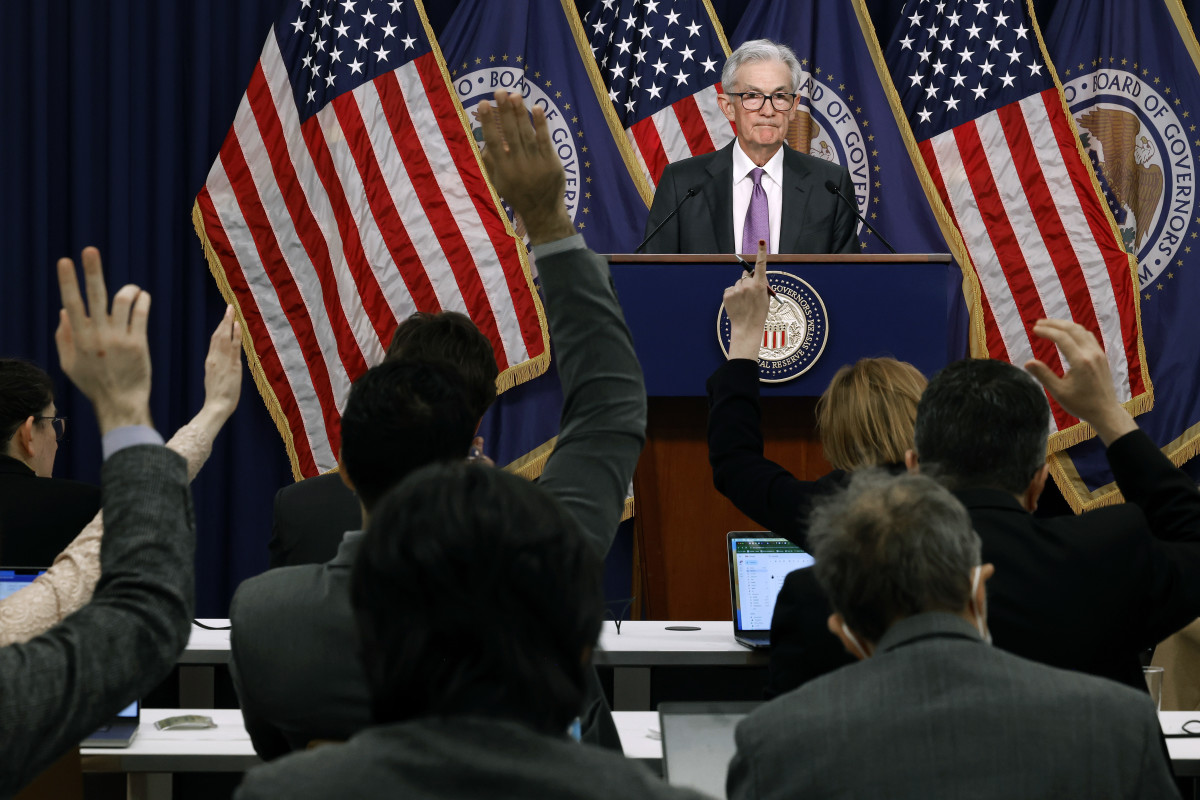
The Federal Reserve faces perhaps its most important decision in years this week, with investors braying for a big move from the central bank following one of the longest runs of rate hikes on record and the highest base borrowing costs in more than two decades.
The Fed, which has kept its key lending rate at around 5.375% since July of last year, has faced both criticism for moving too slowly in response to the huge inflationary impact triggered by the Covid pandemic and for not moving quickly enough to reduce rates as price pressures eased closer to its longer-term target.
The latter allegation was crystalized by Chairman Jerome Powell's decision to hold rates steady at the central bank's most recent policy meeting in July, while stressing that cuts won't come "until we have gained greater confidence that inflation is moving sustainably toward 2%".
The European Central Bank, meanwhile, has cut its benchmark deposit rate twice since June — the latest last week, taking its benchmark deposit rate to 3.5% — and signaled more reductions to come before the end of the year as the world's biggest economic bloc flirts with recession.
That's led to speculation that the Fed might opt for a bigger rate cut this Wednesday to both compensate for its lengthy pause and to lay the groundwork for future cuts as the labor market cools and economic growth moderates over the autumn months and beyond.