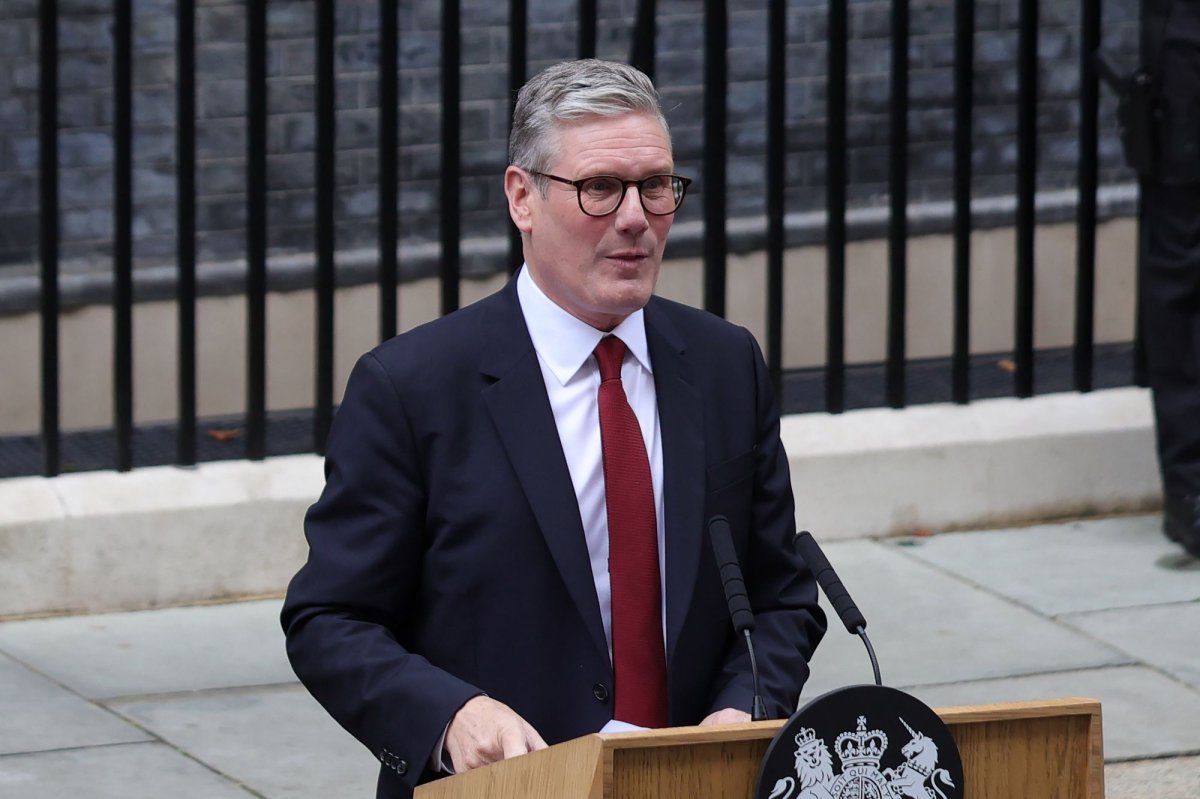
All prime ministers bring their own personality and approach to the job. Each has a different style of leadership, which can shape how things work and what gets done. Herbert Asquith famously summed it up when he said being prime minister is all about "what the holder chooses and is able to make of it."
When searching for clues as to how Keir Starmer will choose to be Britain's prime minister, there isn't too much to go on. When asked directly on a recent podcast, he declared "an inclusive, determined prime minister who will look out for everyone in the country." This only takes us so far, as it's rather hard to imagine anyone saying the opposite (except, perhaps, Nigel Farage). But sifting through what we know, we can at least make a start at piecing together the puzzle.
In terms of his personality and approach, Starmer has been described as "methodical, professional, good on detail but lacking in flair." He is very likely to be what the late MP and historian David Marquand called a "pragmatic operator." Not for Starmer the visionary appeal or oratory fireworks of a Tony Blair or Harold Wilson. But nor is he simply a "machine politician."
Starmer comes across as a quiet, experienced man, who speaks of values and of being a socialist (though the public are unsure if he is, or if that's a good or bad thing). He can justifiably say he has a more authentic working-class background than many of his predecessors.