All eyes have been on Beijing since the EU’s decision to place curbs on Chinese electric vehicle exports last week. Retaliation is coming. Raising tariffs on imported European gasoline-powered cars is a possibility, according to state media. But European automakers may not be the ones that are hit the hardest.
Chinese car companies and industry groups have suggested that authorities raise tariffs on vehicles imported from the EU, according to China’s state-backed Global Times newspaper on Wednesday. Last month it reported that a government-affiliated auto research centre suggested that Beijing increase its import tariffs on large gasoline-powered cars to 25 per cent, up from the current 15 per cent.
China is the third-largest market by value for EU vehicle exports after the US and the UK: cars worth €19.4bn were exported from the EU to China last year, according to the European Automobile Manufacturers Association. That is double the value of battery electric vehicles that were imported into the EU from China.
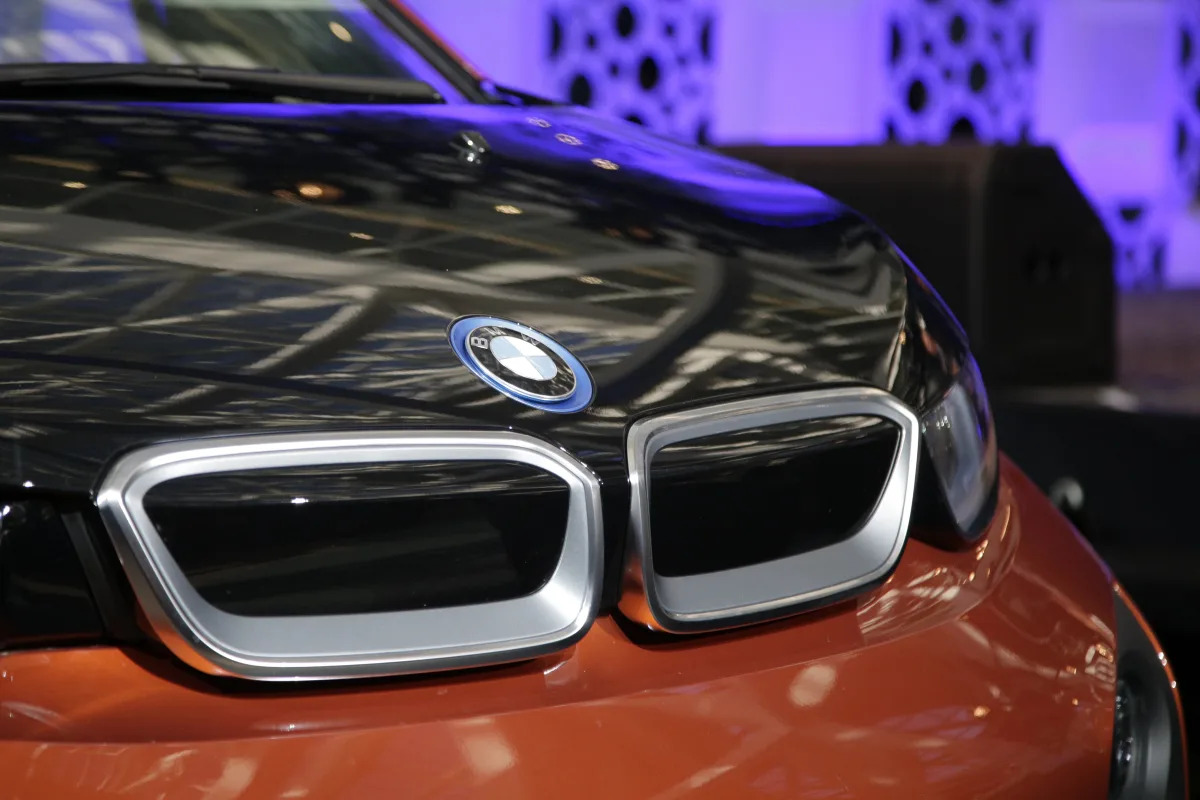
But while China accounts for as much as a third of total unit sales for Europe’s top automakers, many are well hedged against the risk of a tariff increase. BMW, for example, holds a majority stake in a joint venture with a local automaker, which would help it avoid most damage. Volkswagen (VWAGY) and Renault (RNO.PA) also operate joint ventures with local peers. Sales of Ferraris and Porsches, which have a higher percentage of imports relative to their sales in China, would be exposed. But for these brands, their reliance on the Chinese market in terms of total group sales is limited.