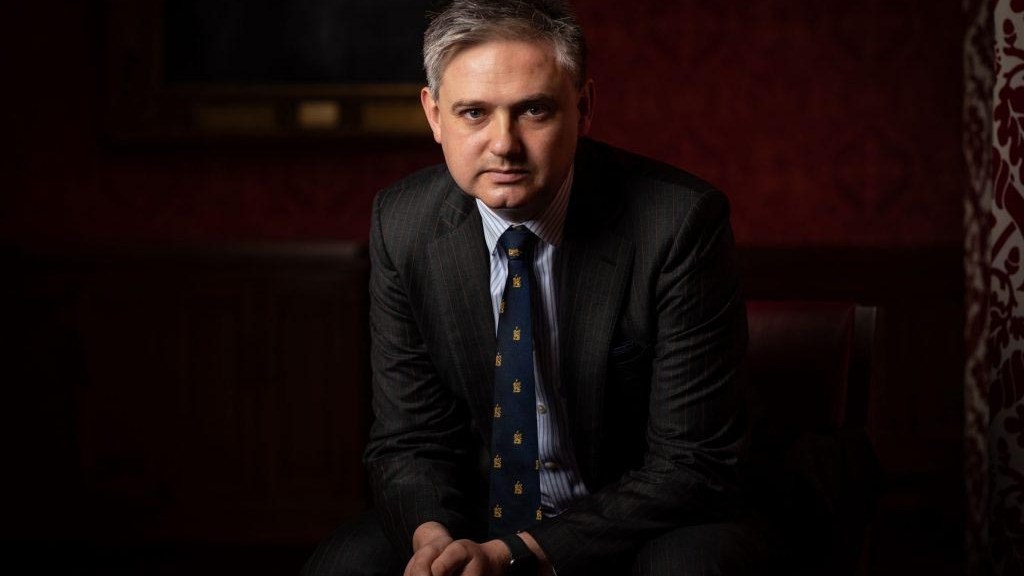
Lord Walney, the government’s adviser on political violence and disruption, is expected to publish a report on the adoption of new guidance to schools on how to handle disruption caused by accusations of blasphemy
I
t has been nearly 50 years since the last successful use of blasphemy laws in the UK. Mary Whitehouse, the anti-obscenity campaigner, brought a private prosecution against Gay News for publishing a lewd poem about the crucifixion. She won. But the case did more through its success to expose the archaic nature of Britain’s blasphemy laws than to encourage support among the public for legal prohibitions against sacrilegious speech.
England’s otiose blasphemy laws were finally abolished in 2008. In recent years, however, there has been an alarming revival in efforts to enforce de facto anti-blasphemy norms. Christian anti-blasphemy activists used to concentrate on the arts and public life. But in recent high-profile blasphemy-related cases state schools have run into conflict with Islamist social activists. Under
Loading Title...